Is this police force professional and capable of handling violen...
/ 2026-10-16 18:54:07Focus


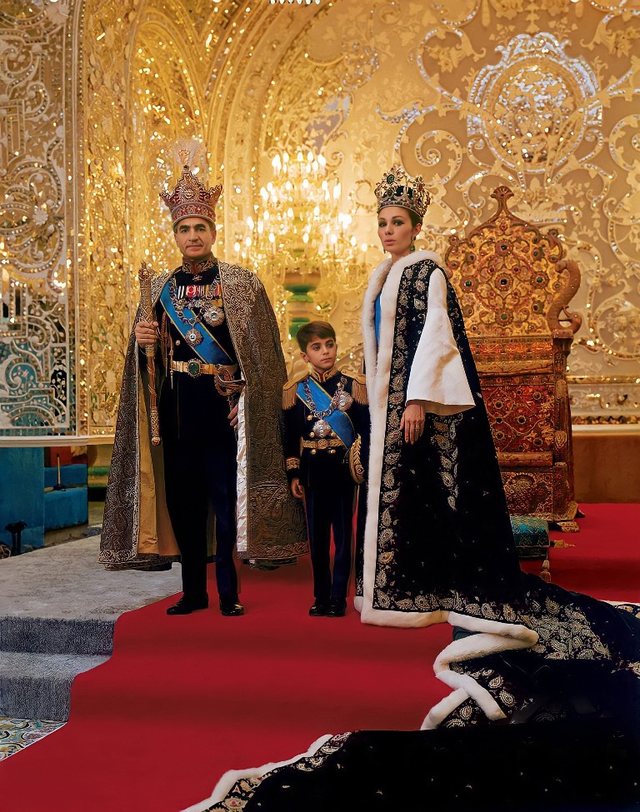
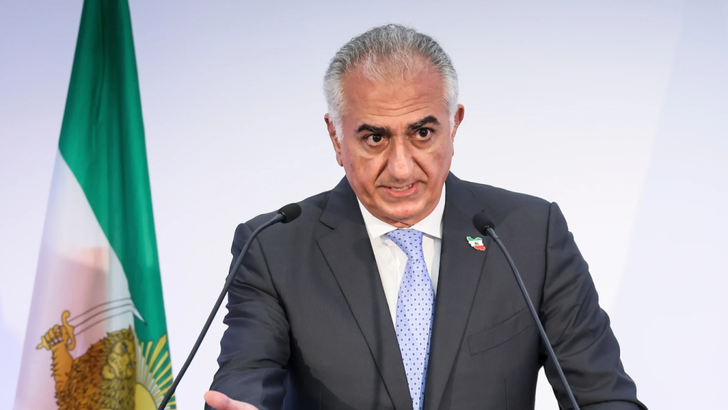
What will happen in Iran if the theocratic regime, which has ruled the country since 1979, collapses? Even the most experienced diplomatic analysts are unable to provide a convincing answer. One of the scenarios being presented is the revival of the Pahlavi dynasty, that is, the return of (now 65 years old) Reza Pahlavi to the role of supreme ruler (Shah), a position in which his father and grandfather also found themselves a century ago.
The history of the Pahlavi family
The name Pahlavi alone is enough to cause tension. The 54 years that father and son were at the helm of this ancient state were linked to specific directions: A constant effort at Westernization and modernization, which had many followers, but also many opponents. An explosive mix, which also included love stories, forced separations and melancholy.
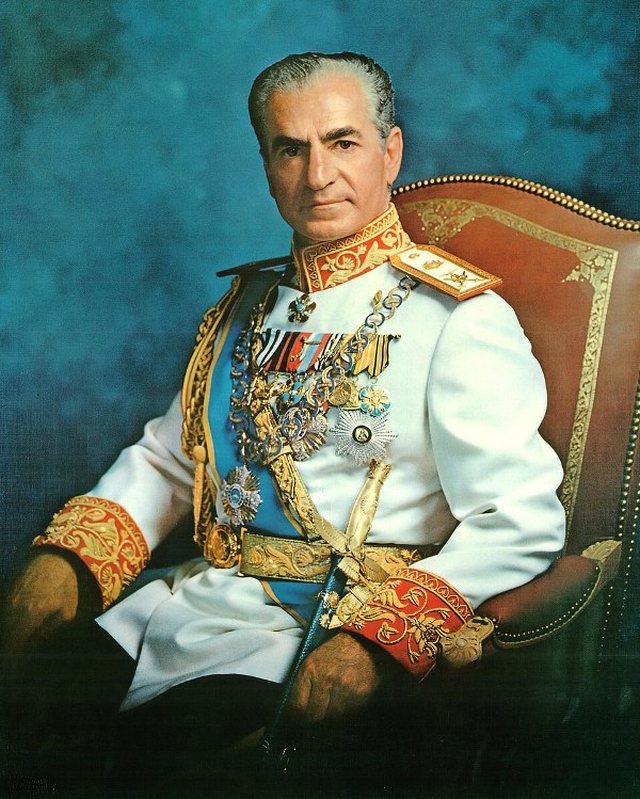
Reza Khan, the founder of the dynasty, was born in 1879 in the city of Alast, in the province of Mazandaran, the only child of an army major and a woman of Persian origin who had arrived in the region as a refugee from what is now Georgia. When he was only eight months old, his father died of a heart attack. His mother remarried and he was taken to the home of an uncle, who was a senior commander in the Persian Cossack Brigade, an elite cavalry unit. At his uncle's home, Reza had the opportunity to study and at the age of 16 he became a member of that military unit. With the support of his uncle, but also with his own skills, he rose quickly and by the age of 40 he was a brigade commander.
After the October Revolution in Russia in 1917, the Caucasus and northern Iran were in a state of flux. The Soviets and the British were in control of the country, and the Qajar dynasty, which had ruled at the time, had collapsed. Reza exploited this power vacuum. In 1921, the two powers that wanted to take control of the country began to consider the possibility of overthrowing the Qajars by military force within the country. Reza received the green light from the British to march on Tehran, led 4,000 chosen men, reached the city without resistance, and succeeded in expelling the entire royal family.
New chess
Reza was appointed “sardar sepah,” commander-in-chief of the army, but as he ruled and managed to secure territory and support, it became clear that this was not his only ambition. In 1925, when the entire country was now under his control after the coup, he was crowned the new Shah of Iran. At that time, he also took the surname Pahlavi, which was not at all accidental. It was a political and historical choice. In ancient Persian, “Pahlavi” means warrior and brave man. This is also the name of the so-called “middle” Persian language, that is, the language spoken during the Sasanian period (3rd-7th century AD), before Arab-Islamic rule. And this had its own importance: Reza Khan wanted Iran to be free from religion, from local interests (which he called “nomadic”) and from ethnic differences. The new Shah sought to promote education, infrastructure development, and women's participation in public life. These measures often clashed with traditional social structures and were considered highly innovative, especially in provincial cities.
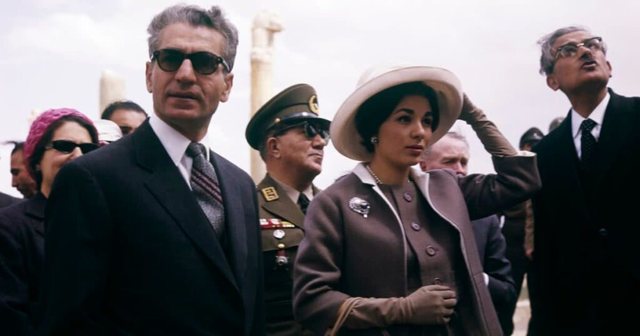
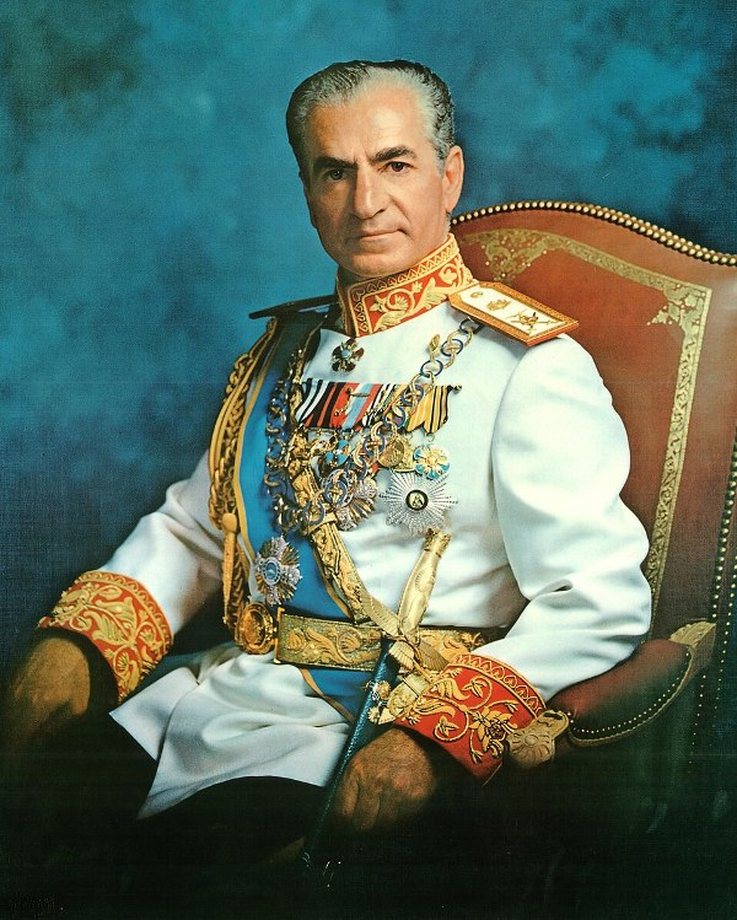
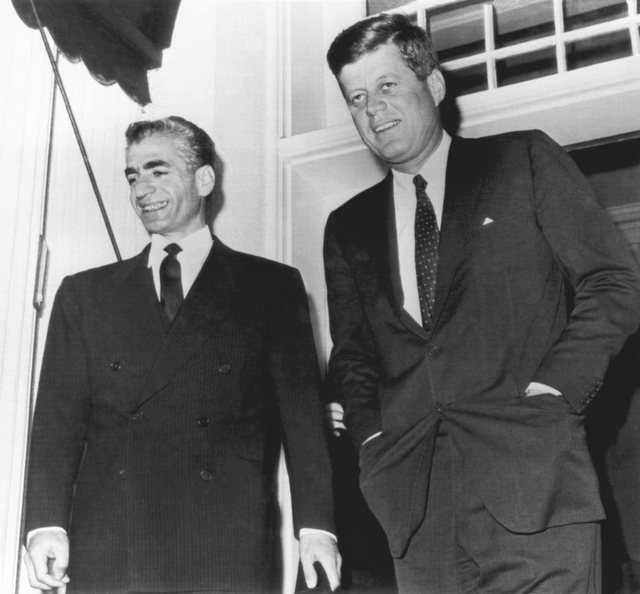
However, the greatest chapter of the Pahlavi family was written in the form of Reza’s son, Mohammad Reza Pahlavi, who came to the throne under duress. In 1941, during World War II, British and Soviet forces invaded Iran, citing “strategic necessity.” Reza Khan tried to maintain neutrality, but the Allied Powers forced him to abdicate and go into exile in Mauritius. Mohammad Reza, only 21 years old, ascended the throne of Iran with the idea that he would reign, not rule.
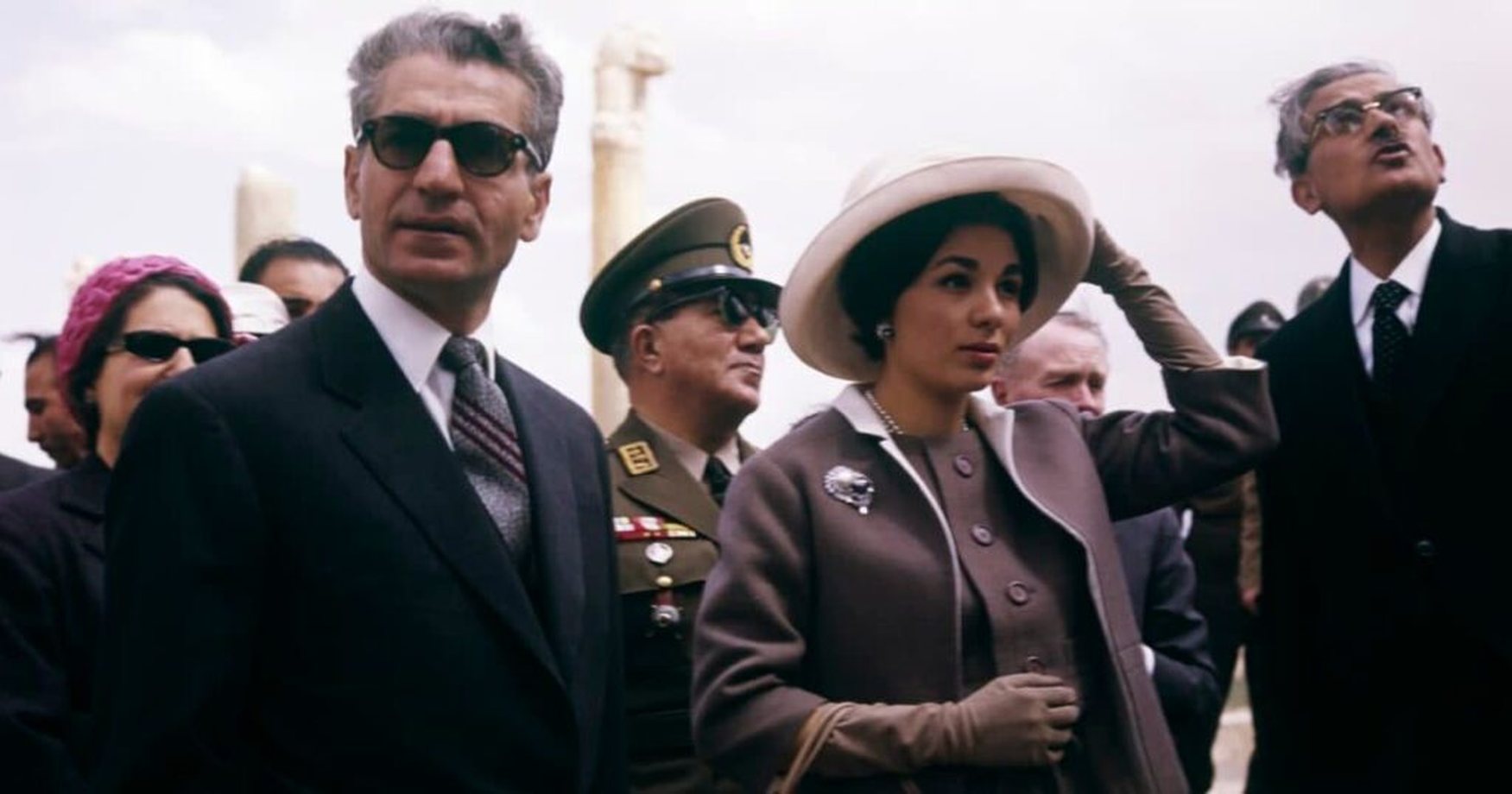
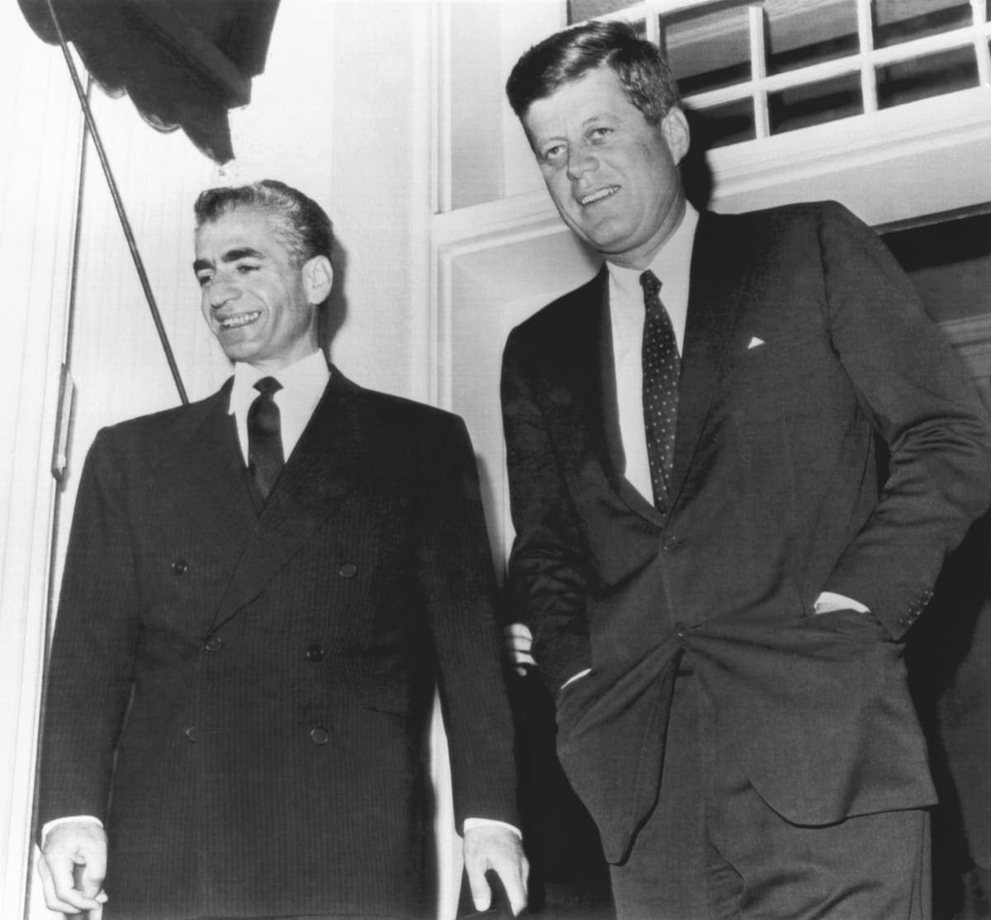
The new Shah faced a country in transition. Forced to control a geopolitically charged international state, he found himself faced with contradictions: on the one hand, he sought modern economic and social development. On the other, he faced strong internal conflicts regarding the idea of the state, the role of religion, and the relationship with the West. Mohammad Reza's period was also famous for its tradition of stifling political freedoms, identification of interests with Western companies and governments, the strong presence of the SAVAK secret service, and a general sense of alienation between the state and a large part of the Iranian people, as it had chosen a completely Western way of life.
Personal life and Soraya
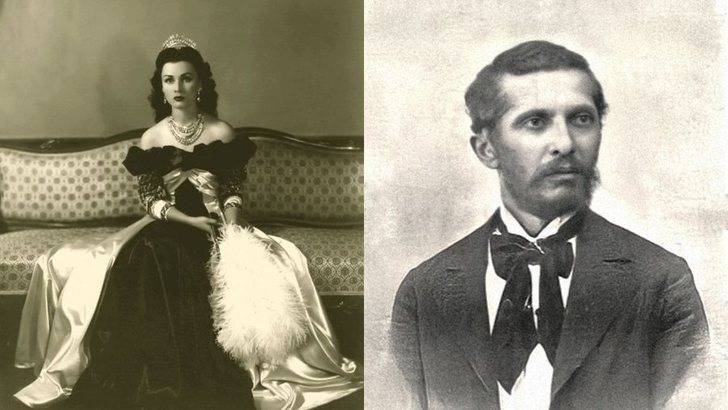
Mohammad Reza met the beautiful Soraya Esfendiari-Bakhtiari, who became his queen in 1951. He had previously been married to the daughter of King Farouk of Egypt, but the marriage lasted only three years. Born in Isfahan and raised between Iran and Europe, Soraya was not a typical imperial wife. Her mother was German and she herself had been educated in the West, which caused skepticism from conservative layers of society. Their relationship, even while they were married, fueled romantic myths and legends about the exotic East, but it also faced a fatal limitation: Soraya could not provide the Shah with an heir, and after years of pressure, the couple divorced in 1958.
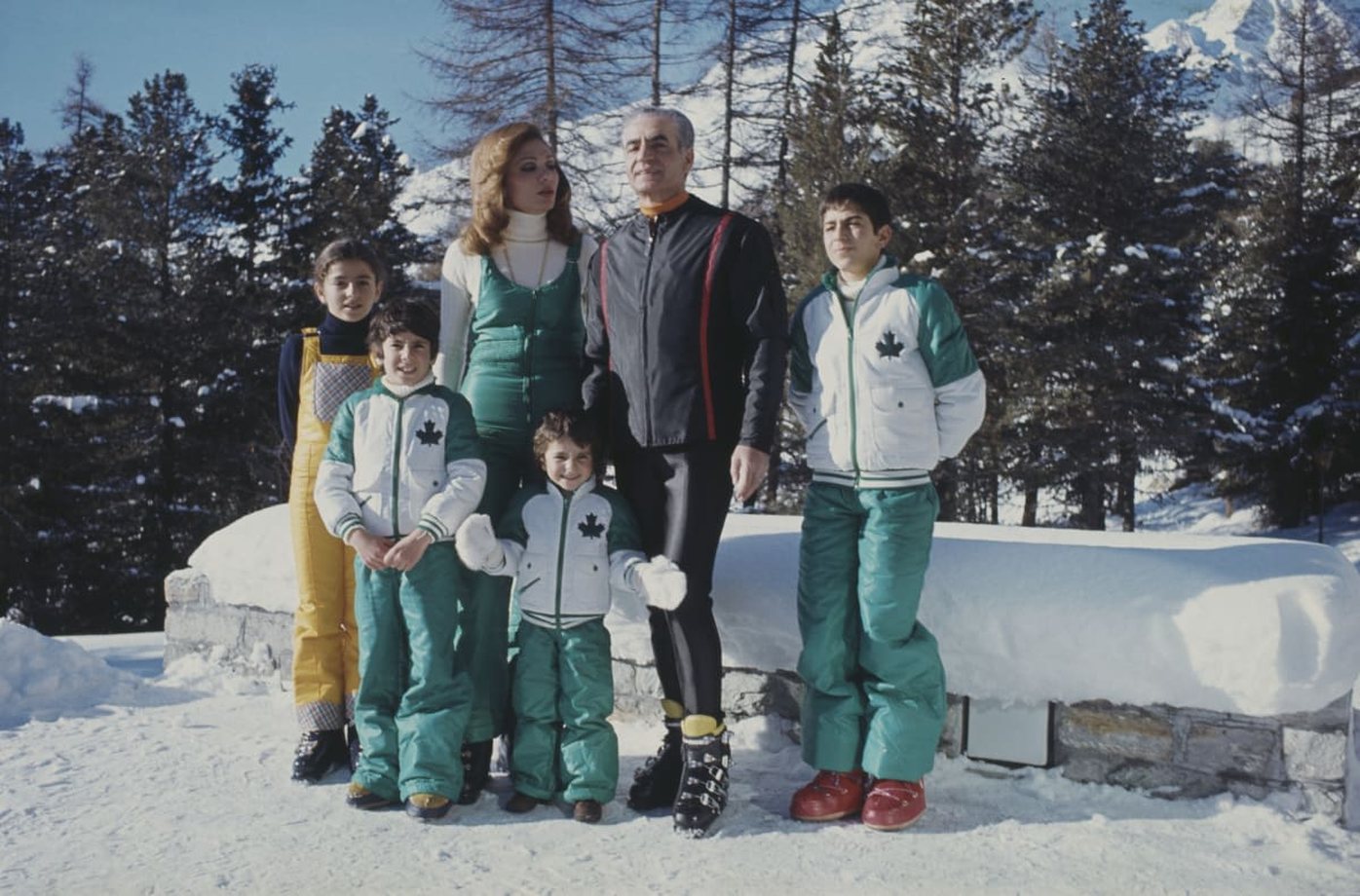
Soraya's departure paved the way for a third wife, Farah Diba, with whom he had four children. Among them was the "successor" Reza Pahlavi, who is today a marginal but still important political figure in modern Iran.
The fall of the Pahlavi dynasty
In the 1970s, internal discontent was growing. Shah Mohammad Reza intensified political repression, attempting to modernize the economy with the so-called White Revolution, a series of radical changes in land, industry, and social structure, but at the same time reinforcing a sense of institutional alienation. The backlash against these measures, the increasing rhetoric of the religious clergy under Khomeini, and severe political repression culminated in the great uprising that erupted at the end of the decade. In 1979, the revolution reached mass proportions and the Shah himself was forced to flee the country. The throne was abolished, radically changing Iran's political and social identity.
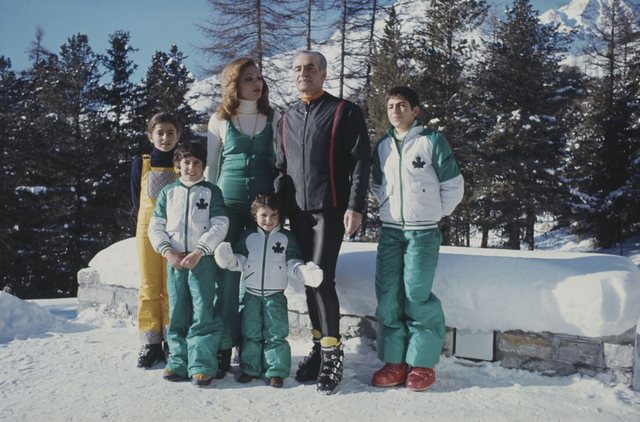
Mohammad Reza Pahlavi died in exile in 1980, leaving behind a dynasty that lasted less than a century but that was marked by memories and political conflicts. Reza Pahlavi, his eldest son, has the title of heir apparent, but he is certainly not king. In the modern Iranian political crisis, he has reemerged as one of the most vocal critics of the regime. The slogans of some protesters in Iran include references to the “return of Pahlavi,” or at least the use of the name as a symbol of change.
However, even today, the history of the Pahlavi family remains divisive: there are those who remember it for its efforts at modernization and social change, and those who criticize it for its authoritarian nature and departure from the traditions of Iranian society.