Is this police force professional and capable of handling violen...
/ 2026-10-16 18:54:07Focus


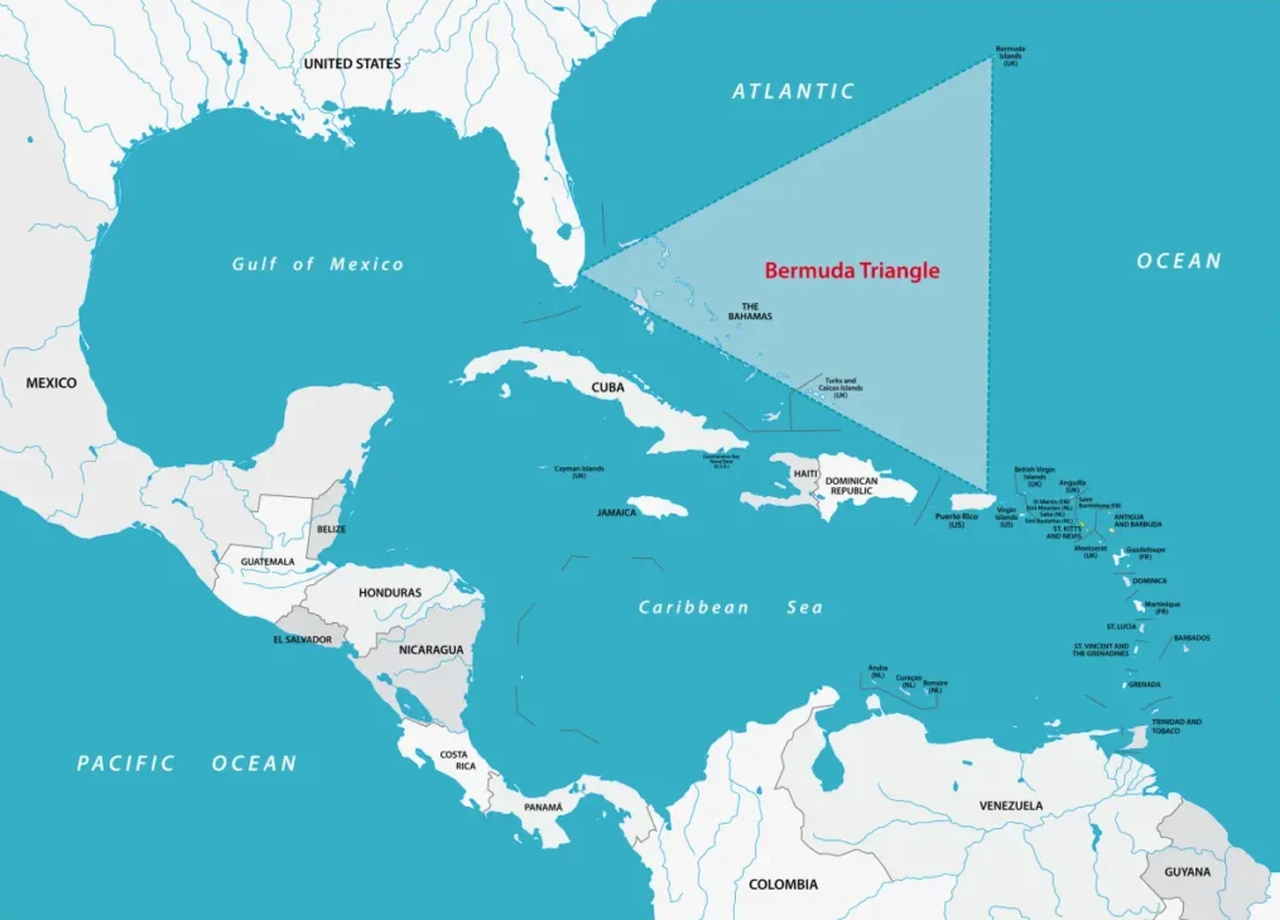
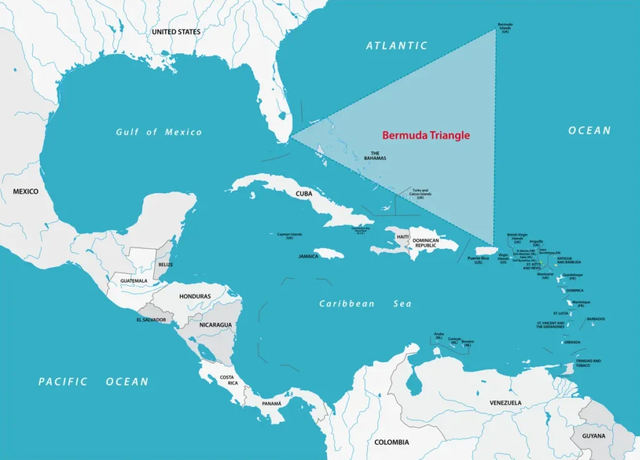
The Bermuda Triangle continues to be the greatest mystery of the Atlantic.
Scientists have discovered a massive and mysterious structure deep beneath Bermuda that defies all expectations.
A new study published in Geophysical Research Letters says scientists believe they have discovered why Bermuda never sank after the extinction of volcanoes more than 30 million years ago.
Usually, when volcanoes are extinguished, the tectonic plate shifts away from the mantle plume and the crust and volcano slowly sink.
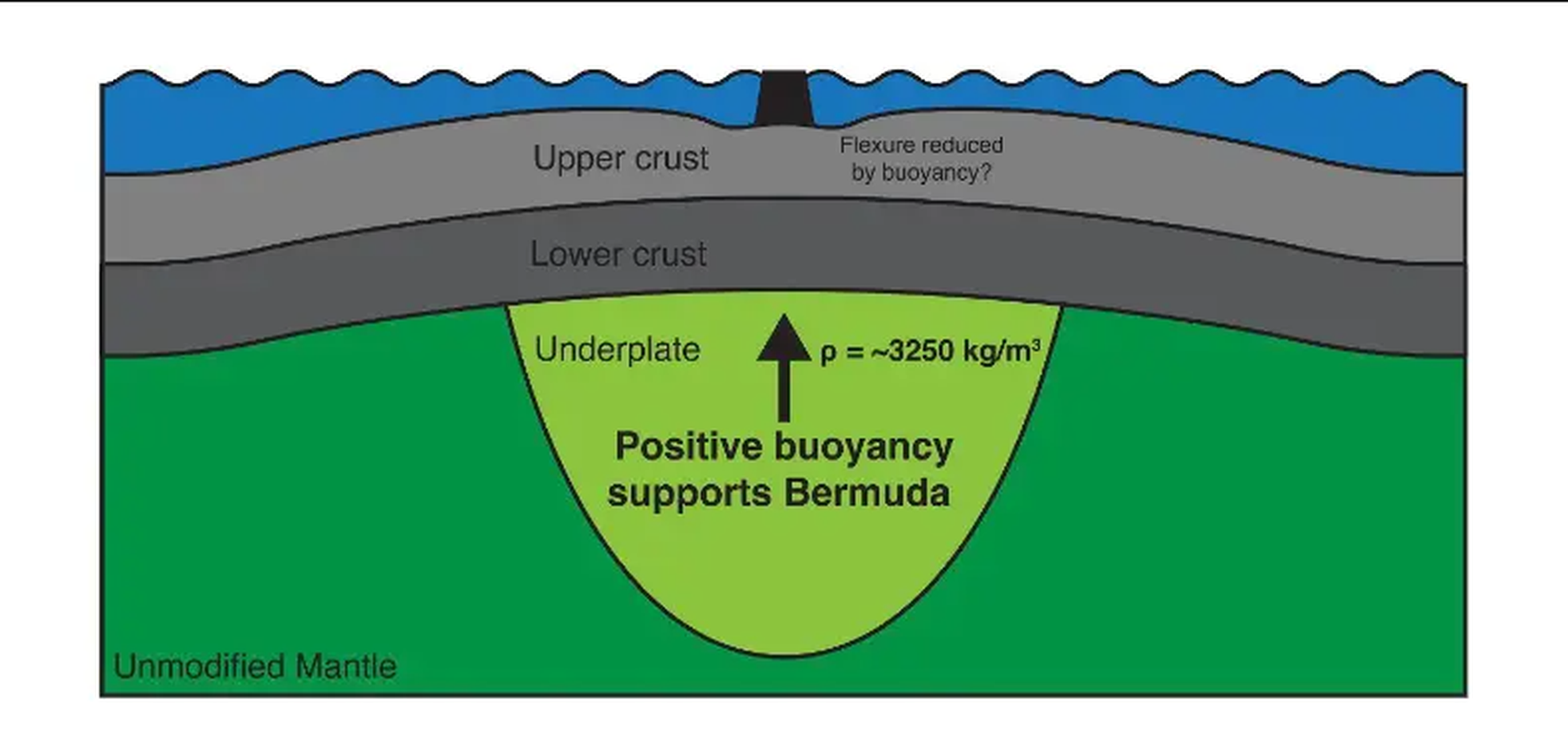
But scientists have found an unusual rock layer beneath the oceanic crust beneath Bermuda that is pushing the island up.
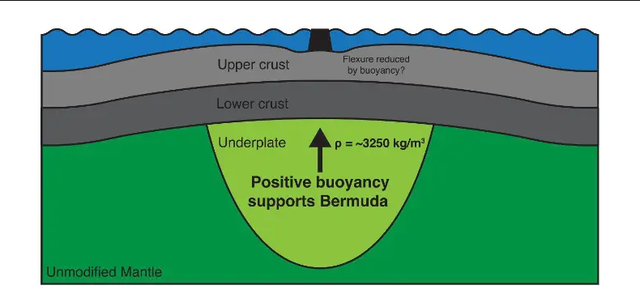
The layer is about 20 kilometers thick, which has not been seen in any similar layer.
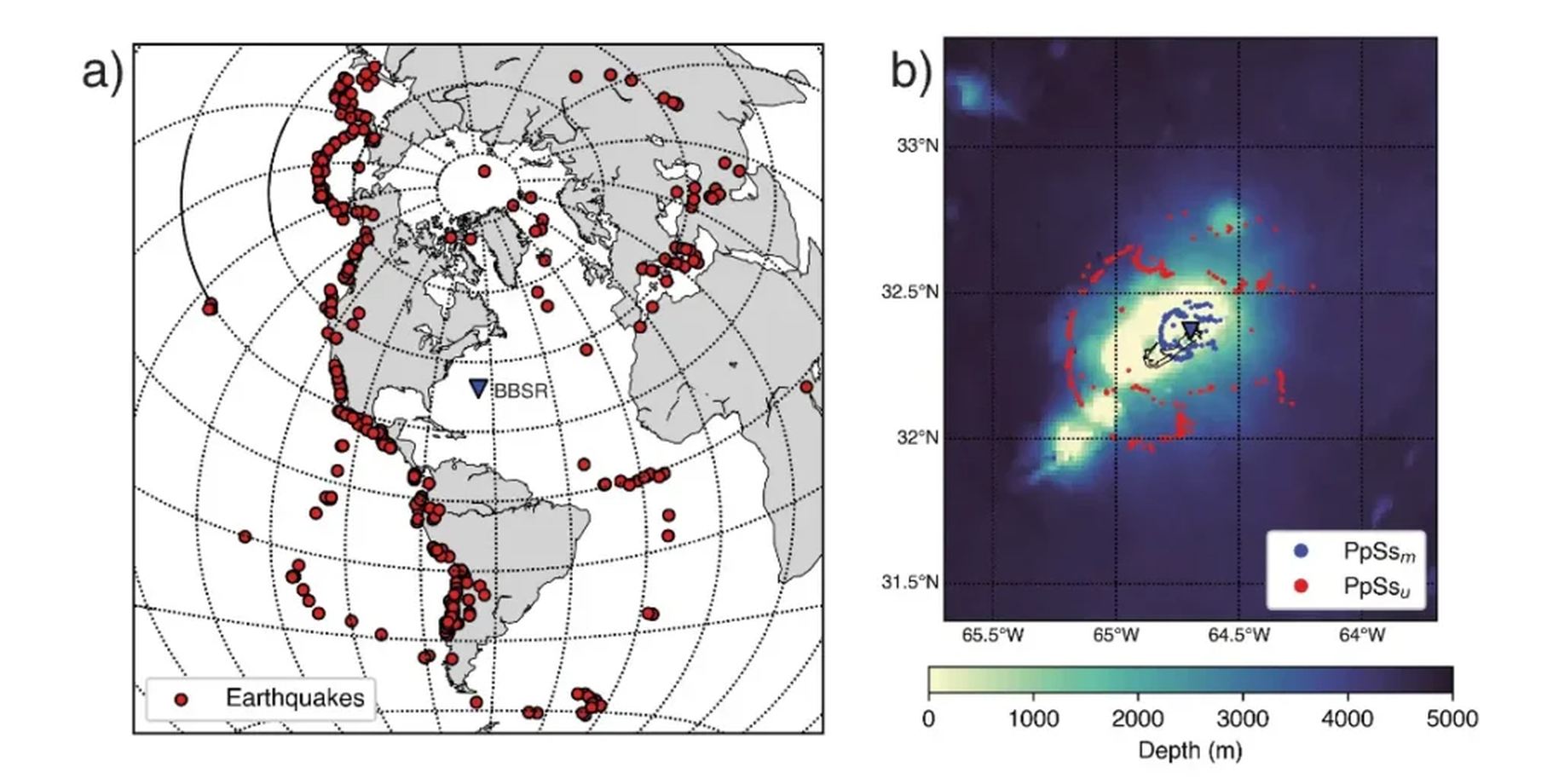
The team, led by seismologist William Frazer, examined seismic waves from 396 distant earthquakes that were strong enough to transmit vibrations through the ground.
Using these waves and what they left behind, researchers were able to draw a vertical illustration of the rocks that lie beneath Bermuda, about 50 kilometers (31 miles) away. The image revealed a thick layer of rock that is less dense than the surrounding rock.
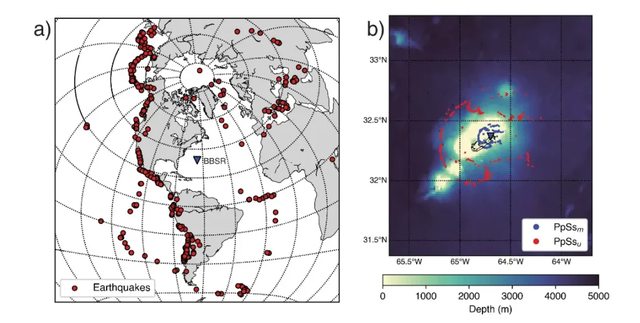
Frazer said that normally, behind the oceanic crust lies the mantle. "But in Bermuda there is this other layer that is placed beneath the crust, within the tectonic plate that Bermuda is located on," he said.
Bermuda sits on an oceanic ridge where the crust is higher than the surrounding environment and rises about 500 meters above the ocean floor.
The discovery indicates that the recent volcanic eruption may have hurled rocks from the mantle into the crust where they froze and created this layer.
Despite 31 million years of volcanic inactivity, the oceanic bulge has not disappeared. Amidst all the debate about what is happening beneath the surface, there have been no volcanic eruptions.