Is this police force professional and capable of handling violen...
/ 2026-10-16 18:54:07Focus


The Constitutional Court has accompanied the decision to overturn the suspension from office of the Deputy Prime Minister and Minister of Infrastructure and Energy, Belinda Balluku, with a criticized justification and has likely ignored similar precedents in the past.
According to the majority of constitutional judges, Balluk's suspension risks bringing consequences that affect state interests during the exercise of the executive branch's constitutional powers in determining general state policies.
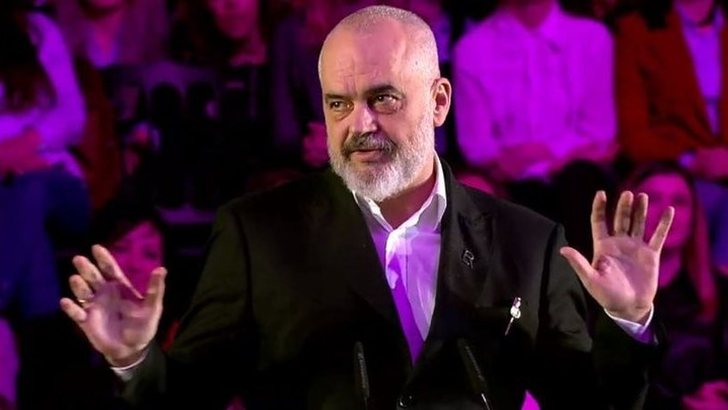
To put it bluntly: The Constitutional Court tells us in its decision that Prime Minister Edi Rama is replaceable, as long as Belinda Balluku has largely led the Government meetings, but his deputy, who is Belinda Balluku, is irreplaceable and that her suspension will cause us a state breakdown.
This is the logical conclusion from the court's reasoning. Now let's move on to the precedent that the Constitutional Court has overlooked. At the end of 2018 and the beginning of 2019, the clash between the Prime Minister's Office and the Presidency, which at that time was headed by Ilir Meta, was at its peak. The clash was on almost every front. One front was foreign policy. Edi Rama had submitted Gent Cakaj's name for decree as Foreign Minister. Meta rejected him on the grounds that he did not meet the legal criteria. In January 2019, Rama resolved the impasse by submitting his own name to be decreed as Foreign Minister and after receiving Meta's decree, he delegated the powers of the minister to Gent Cakaj.
The example may not be identical, but the 'Cakaj' case shows us that the Constitution and the legislation in force have provided mechanisms to overcome impasses of this type and that these mechanisms were ignored by the five members of the Constitutional Court.
©Copyright Vox News
This article is exclusive to Vox News, and is protected by copyright under Law No. 35/2016, "On Copyright and Related Rights". The article may be republished by other media only by citing Vox News and placing a link to the source at the end, otherwise any violator will be held liable under Article 178 of Law No. 35/2016.