Is this police force professional and capable of handling violen...
/ 2026-10-16 18:54:07Focus


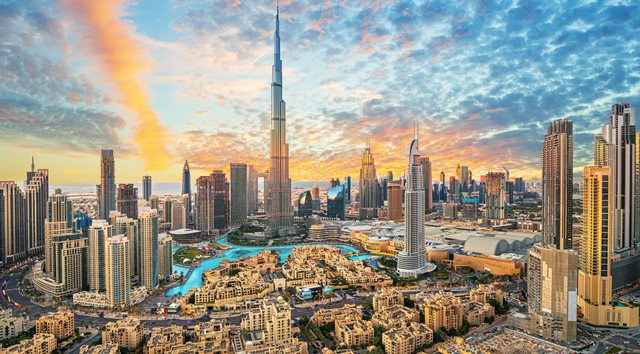
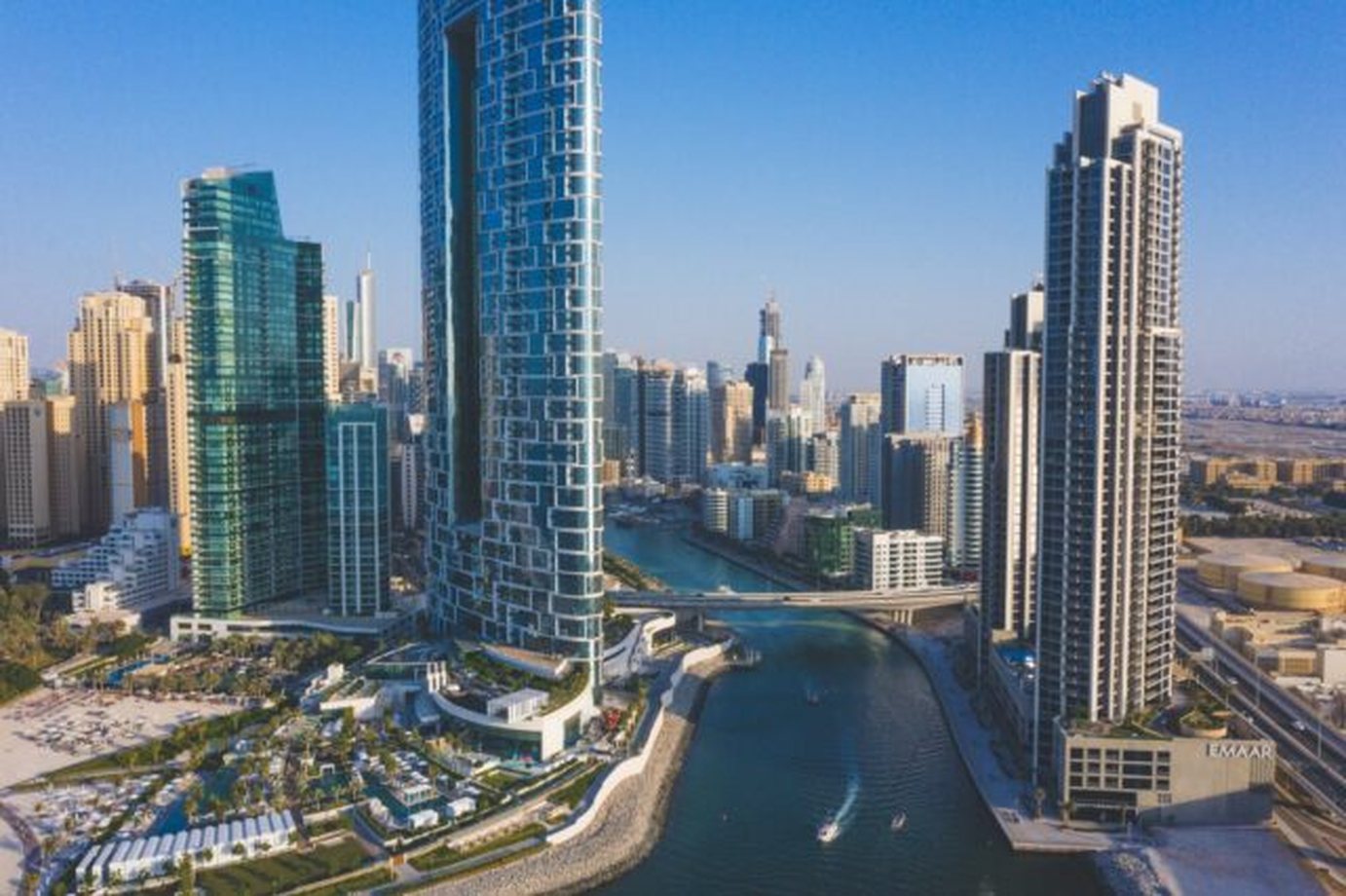
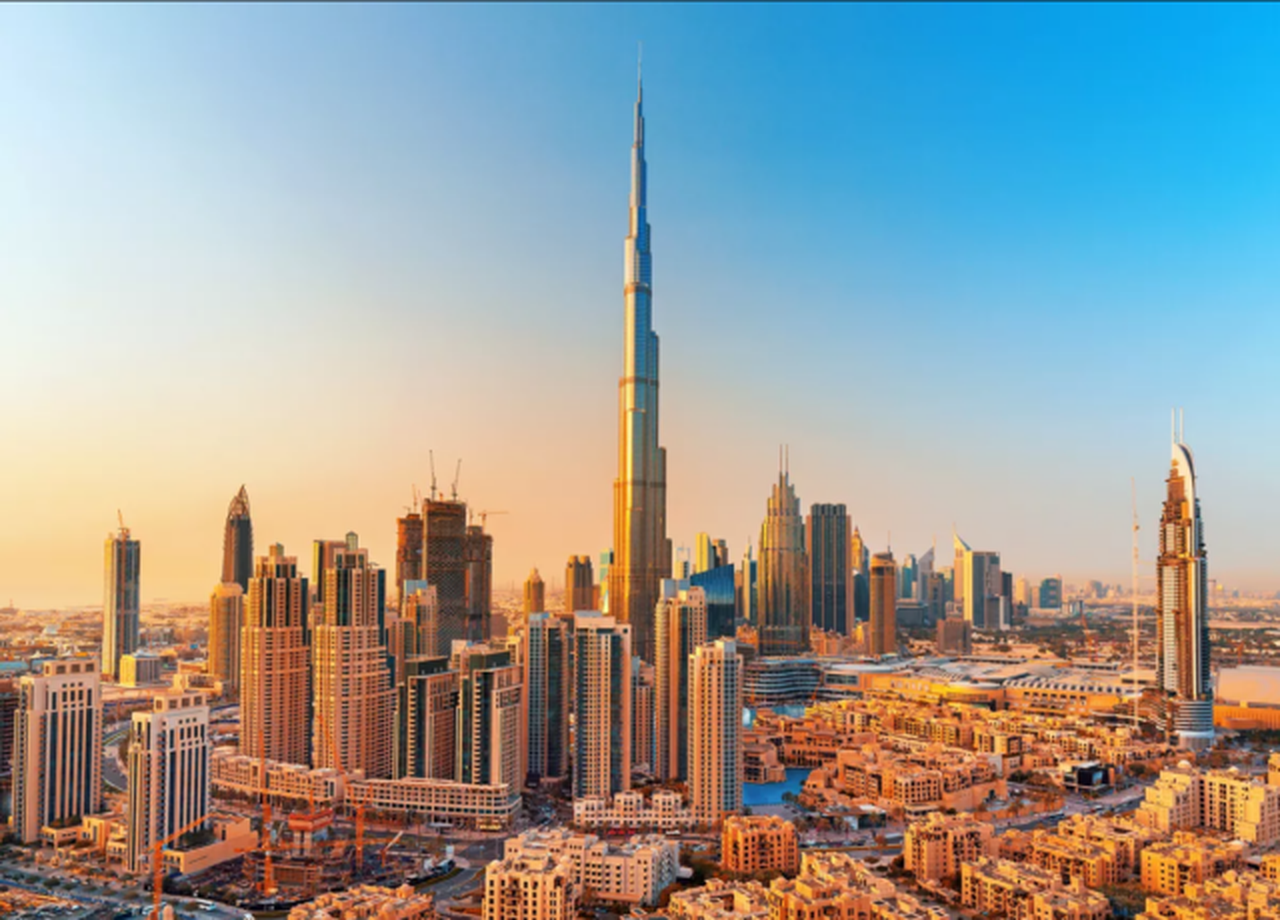
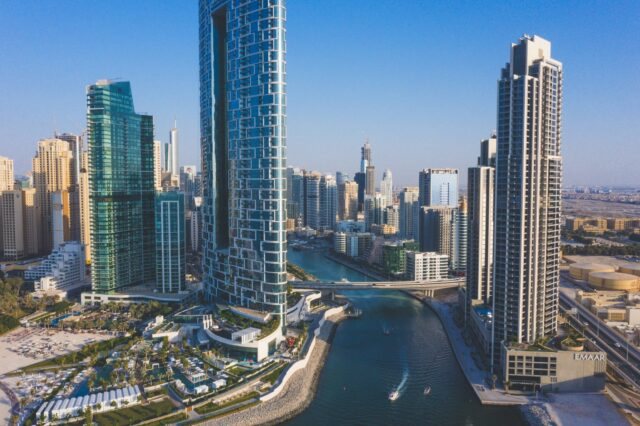
For two decades, Dubai has been the testing ground for every modern architectural and construction fantasy. Its majestic skyscrapers, palm-shaped islands, endless construction zones and utopian promises of “life in the future” have transformed it into a global symbol of apparent prosperity.
Today, in the real estate market of the densely populated city of the United Arab Emirates, the excitement of yesteryear is being replaced by "maturity."
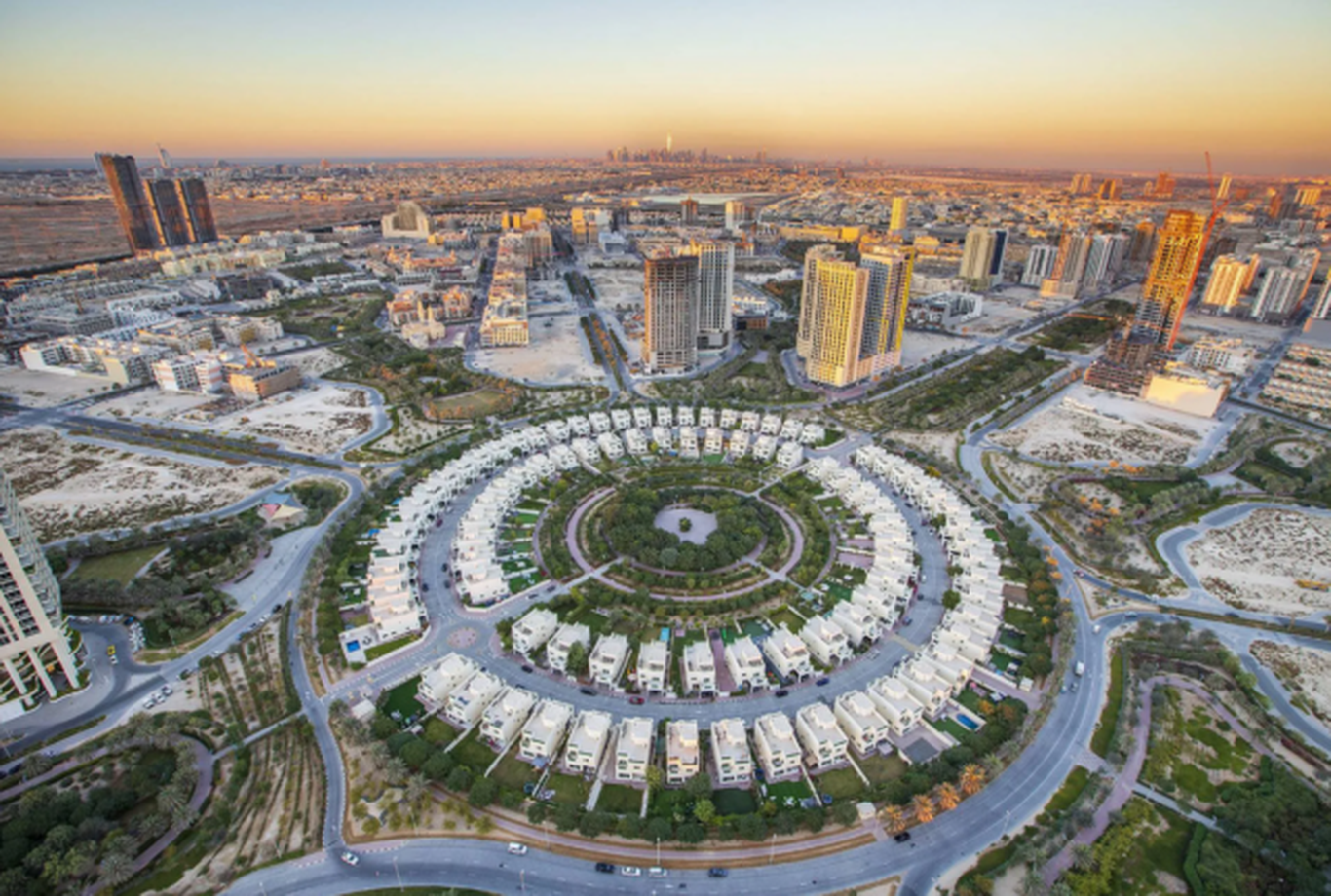
In expensive neighborhoods like Jumeirah Village Circle (JVC), once destinations with high economic profits per square meter, the situation now resembles a scene from the movie “The Hangover” – the kind that could describe the end of a party.
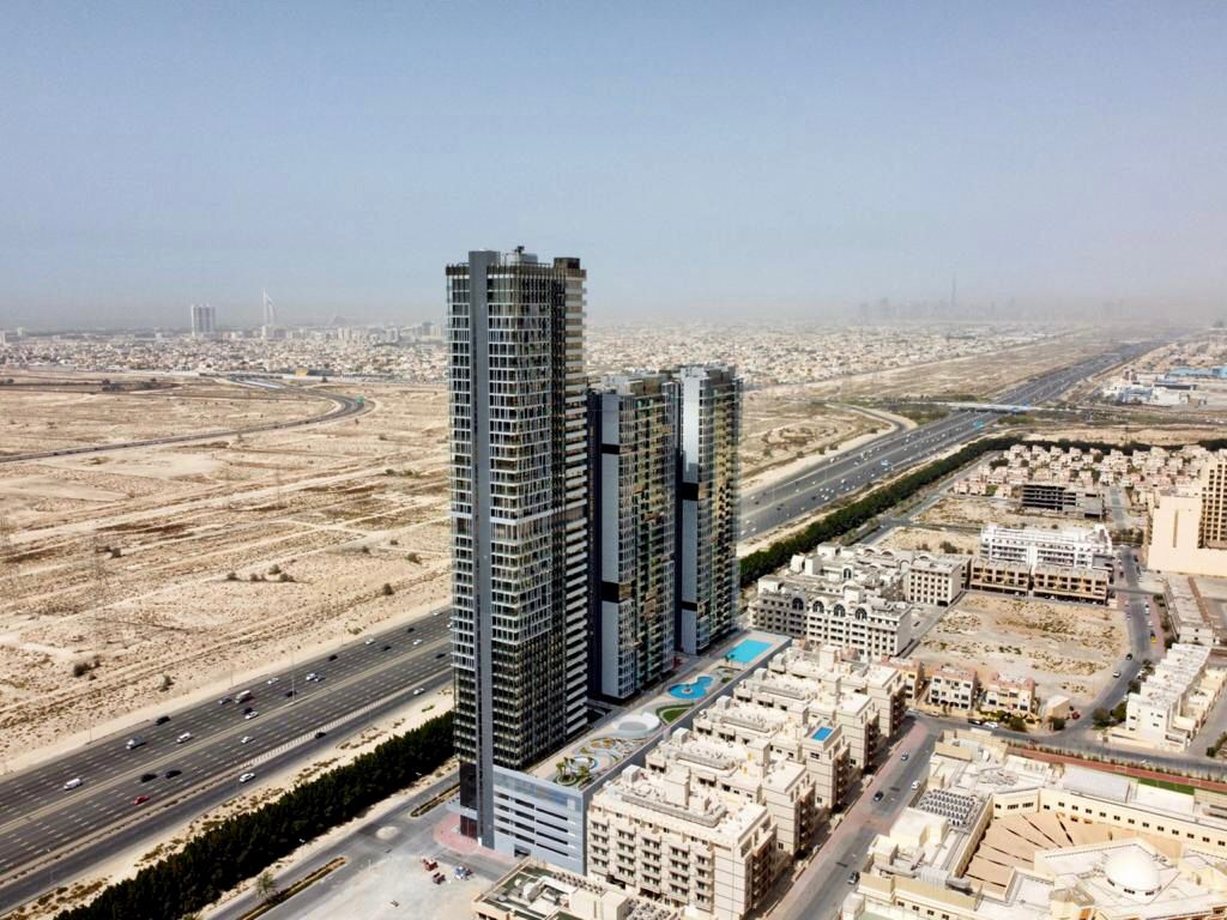
Brand new buildings stand empty, lifeless behind their glass. Dubai, once a “builders’ delight” as a testament to its frenetic growth, is now facing its own housing oversupply problem, now a thing of the past. So while investors, having believed brokers’ promises of annual returns of 10% and 12%, are now seeing rents fall. For the first time in years, the word “oversupply” is becoming the main problem of a city that was used to living in “rampant” construction.
Dubai is offering more than 120,000 new homes a year, a number disproportionate to its demographic growth. The population growth rate, around 5% per year, cannot absorb the housing supply of a market that is growing by 16% per year. The logic of unlimited construction, of “the more the merrier”, is starting to show its limits.
From bubble to normality
Experts, such as Fitch Ratings, are now talking about an expected “correction”: a drop in prices of up to 15% by the end of 2026. It is not a crash, but the natural slowdown of an ecosystem that has been living in excess. Prices had risen by almost 60% from 2022 to 2025, driven by the massive influx of wealthy Russians, Indians, Chinese, Germans and French who saw in Dubai a safe “harbor” for their wealth and themselves.
However, this golden age of unstoppable profit and unlimited projects is starting to give way to “normality.” Real estate agents who once boasted of selling an apartment for three times its real value before it was given up now see investors keeping their distance from an expensive past that, while fresh, is now behind them. Real estate developers themselves are now imposing restrictions: to resell an apartment under construction, someone must first have paid at least half. The risk of capital gains is over.
Duke folur për gazetën franceze Le Figaro, Inga Brykulska nga Driven Properties e përmbledh kështu situatën: “Tre vitet e fundit ishin paranojë. Njerëzit blinin pa e parë fare çmimin. Tani, po kthehemi në një treg më normal”. Deklarata e saj kap psikologjinë e një sektori të detyruar nga rrethanat që të shfaqet tashmë i “pjekur”.
Arkitektët po humbasin “Disneyland”-in e tyre oriental
Për vite me radhë, Dubai ishte një parajsë për arkitektët: një vend pa kufizime, ku çdo zyrë mund të realizonte atë që konsiderohej utopi diku tjetër. Këtu ata mund të ndërtonin kulla si pemë, ishuj si letra loje, hotele-skulptura dhe lagje të tëra që premtonin “qytetin e së ardhmes”. Estetika e tepricës, mania për shkëlqim, xham, lartësi, i përshtateshin në mënyrë të përkryer filozofisë së një qyteti të ndërtuar në shkretëtirë si simbol i triumfit të njeriut mbi natyrën. Por ky rrëfim duket se po mbaron. Brezat e rinj të blerësve dhe banorëve nuk kërkojnë më shfaqje, por cilësi jete, efikasitet energjetik, qëndrueshmëri.
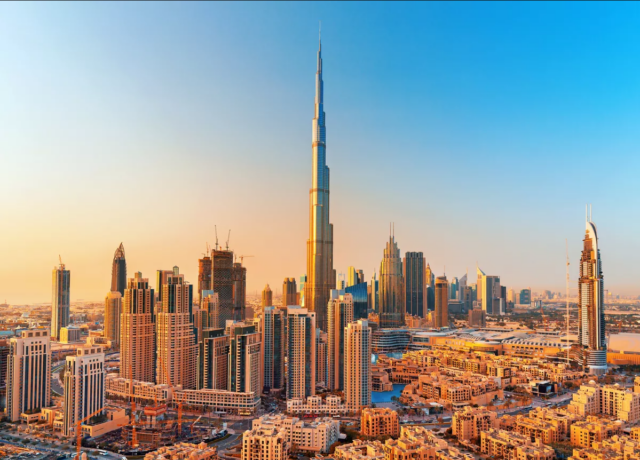
Epoka e “sa më lart, aq më mirë” po ia lë vendin një shkalle më njerëzore. Të njëjtët zhvillues që ndoqën rrokaqiellin ikonik tani po i drejtohen projekteve me përdorim të përzier, komplekseve të gjelbra, banesave me energji të ulët. Edhe arkitektët që dikur planifikonin në mënyrë ekstravagante tani po flasin për “kthimin në tokë”.
JVC, si një mikrokozmos i “pjekurisë” që po vjen
Jumeirah Village Circle, lagjja “e qetë” që u promovua si ideale për familjet dhe profesionistët e rinj, tani është shembulli më karakteristik i kësaj “lodhjeje“. Aty ku premtimet e zhvilluesve reklamonin “jetë të gjelbër, afër qendrës”, realiteti është se mijëra apartamente mbeten bosh, ndërsa rrugët i ngjajnë më shumë një modeli sesa një qyteti.
Agjenti i pasurive të paluajtshme Rémi Aguerre, i cili vetë jeton në JVC, pranon për Le Figaro: “Nuk ua rekomandoj klientëve të mi përveç pronave të zgjedhura me kujdes.”
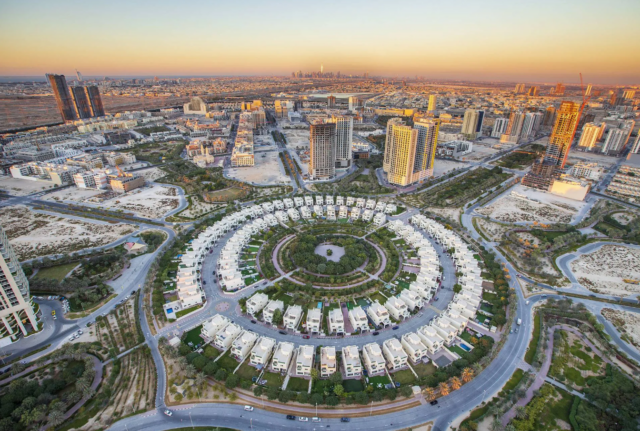
Ka shumë projekte, shumë kulla të mëdha me një numër të madh apartamentesh që dalin në treg me qira. Në komplekse të tilla si Bloom Towers dhe Binghatti, të paktën tre mijë shtëpi janë në dispozicion, shumica dërrmuese e të cilave janë apartamente me dy dhoma gjumi. “Një investitor të cilit iu premtua një qira shumë e mirë kur bleu një pronë mund ta gjejë veten duke konkurruar me 800 apartamente në shtëpi të ngjashme me të vetat”, kujton Sabrina Masmoudi, bashkëthemeluese e agjencisë së pasurive të paluajtshme Expat Living Dubai. “Nëse këta pronarë duan të marrin me qira shpejt, ata janë të detyruar të ulin kërkesat e tyre.”
Investors who were chasing the “golden goose” a few years ago are now facing the reality of the market. Social media platforms are filled with warnings: “JVC: Danger zone, don’t trust fake rates of return.” The same digital community that once promoted Dubai real estate as a get-rich-quick scheme is now warning about the dangers of a seemingly once-in-a-lifetime boom.
The paradox of prosperity
And yet, at the same time, the numbers are showing signs of growth. In the first half of 2025, 125,000 transactions were recorded, a 26% increase compared to 2024. Dubai remains “active”, but the composition of this activity has changed. Sales are no longer directed at the middle classes, but at the upper income groups. Millionaires – mainly from Britain – are arriving in their thousands, seeking tax breaks and a climate of security. Large companies, such as Emaar, continue to sell instantly, unlike smaller developers who are struggling to sell. The city is now divided into two parts: those who can afford to buy “sky” and those who are left with their unsold square meters.
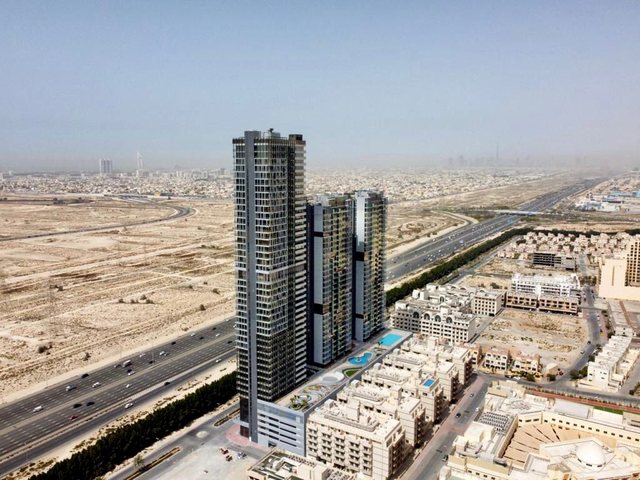
This paradox makes Dubai a “two-speed” phenomenon. On one side, a paradise for the super-rich; on the other, a landscape saturated with mid-rise apartments without tenants. Dubai’s image as a “city for all” is fading. In its place is a new city for the few, a city of investment, not a city of residence. The climate challenge, the need for green infrastructure, the energy crisis and the realization that land – even in the desert – is not inexhaustible are taking the city to a new phase. A phase where architectural fantasy gives way to architectural responsibility.