Is this police force professional and capable of handling violen...
/ 2026-10-16 18:54:07Focus


The Ottoman Dilemma and Democratic Values in Southeast Europe
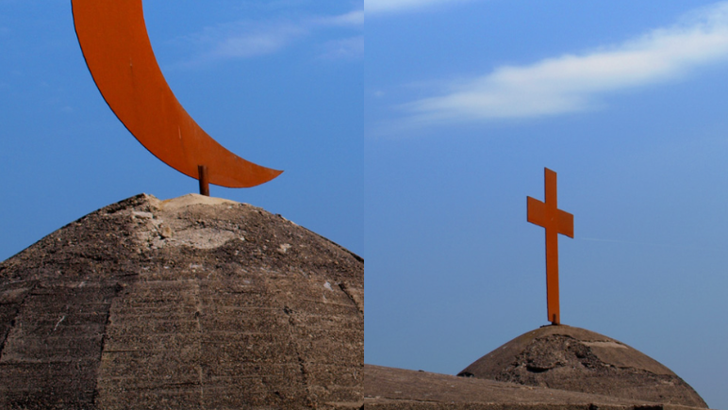
Is the Ottoman Empire an invader or an administrator?
This dilemma lingers like the shadow of an old song in the Balkans, sparking debates among historians, politicians, and residents of the region.
And at this crossroads of history, an ambitious project is attempting to bring light to the darkness of the past and build a bridge to critical thinking.
Rewriting Balkan history:
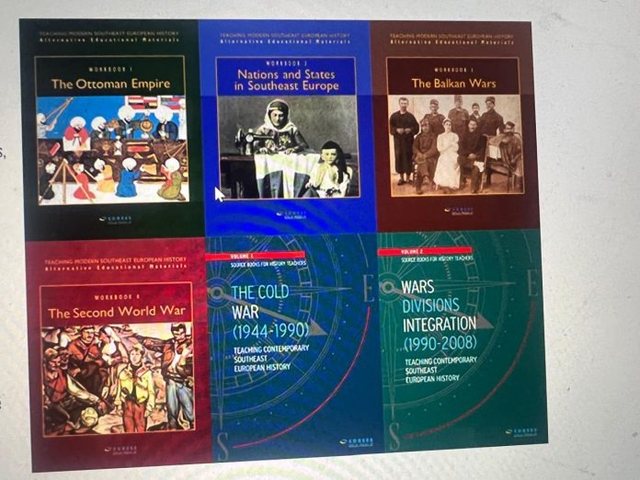
Since 1998, more than 100 historians and 300 teachers from Albania, Greece, Kosovo, Serbia, and beyond, have been committed to rewriting the history of Southeast Europe.
This effort has culminated in the publication of 6 historical workbooks, translated into 11 languages, which cover key periods from Ottoman rule, the Cold War, to the region's democratic transition.
But the question remains: What history will we teach/tell? And how does history influence the way younger generations perceive their identity?
The project known as the Common History Project (CHP 2.0) has now entered its new phase: the digital age. The plan includes the creation of new content that goes beyond textbooks.
The market now includes not only books, but also social media posts, videos, humor/satire, and articles that aim to spark the curiosity of young people and foster a democratic spirit.
The Balkans, tired of its historical and physical borders, now faces digital borders: it is now a battle to attract young people who are forming their identity in a globalized world.
In the spring of 2025, a scientific conference will address the concept of borders in Southeast Europe. An important question that will be discussed is: Has the Balkans managed to free itself from division, or are the new borders simply invisible?
At the helm of this project is Prof. Christina Koulouri from Athens, while Ditmir Bushati, former Foreign Minister of Albania, heads the “Friends of JHP 2.0” group, which aims to spread the message of this project to the younger generations. The group includes academics, diplomats and activists, who share a common vision for a more united Balkans.
Prof. Christina Koulouri, who leads the scientific work, while Ditmir Bushati, former Foreign Minister of Albania, heads the “Friends of JHP 2.0” group, which aims to spread the message of this project to the younger generations.
The group includes academics, diplomats, and activists, who share a common vision for a more united Balkans.
The Ottoman dilemma is just the tip of the iceberg. History is not black and white, and the JHP 2.0 project highlights the nuances of the past to build a brighter future.
This project is not just for historians, but is a call to all those who believe that democracy, critical thinking, and cooperation are the keys to solving the Gordian knot of the Balkans.
The Balkans is an ongoing narrative. Will the next chapter be a story of unity or division?