How Belinda Balluku is fabricating the rumor about Top Channel's...
/ 2026-10-19 16:19:00Focus


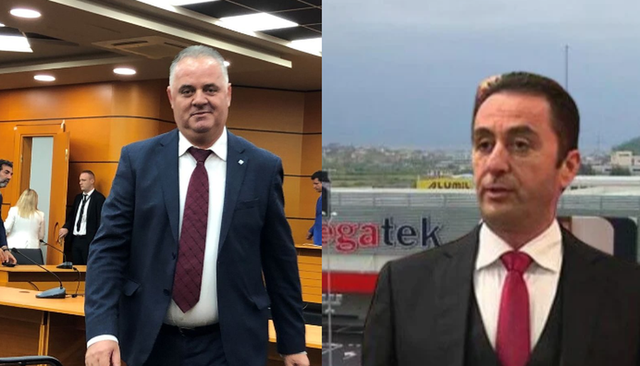
A strange, unprecedented letter has been distributed today to the editorial offices of several media outlets, mainly online. A judge named Flamur Kapllani requests the removal of a news story about businessman Dionis Teqja.
In a unique decision, which deserves to go down in history as either open corruption or legal absurdity, the judge calls this "lawsuit insurance."

The story is this: Dionis Teqja, a well-known businessman, not very well off recently, is sued by his partners in court. The trial does not take place, since Teqja does not appear. The court is forced to post an advertisement for the defendant. Journalists who follow information from the court see this advertisement and report the news. It spreads quickly with headlines more or less similar to: “Businessman Teqja wanted.”
Professionally, one could argue that the title is abusive. But before doing so, one must find the correct legal term for the court's announcement. This is a professional debate, which does not affect the veracity of the news, much less can it refute it.
From a legal point of view, no one can dare to consider the news false. Even more so a judge, who cannot even think of rejecting a news item that has been posted by the very court where he works. And a businessman must be extremely brazen who, while ignoring the court in the process where he is the defendant, finds its door when he seeks to sue the media.
Several serious problems arise here. The first and most fundamental one is related to media freedom.
Can it happen that a news item is removed from all media outlets by court order, not because it is untrue, not because there is a final decision for defamation, but simply "to secure a lawsuit"?
What would happen if the Flamur Kapllani precedent were to become the norm? Would news still exist, or would it all be removed with “lawsuit insurance”? If a murder occurs tomorrow and the perpetrator sends his lawyer to court to block any media reporting, what remains of the public's right to be informed?
Other questions arise about Flamur Kapllani's expertise in this field. Does the judge know the criteria that a news story must meet? Did he consult with any media experts?
Did he listen to the defendant or did he blindly trust the plaintiff? If he trusted only the plaintiff and, without the defendants' knowledge, issued such a decision, for what reasons did he do so?
In fact, these are rhetorical questions that arise when a judge, who has unfortunately also passed the vetting process, dares to come out against the media in the service of a businessman, violating freedom of speech and demanding the removal of true news in the interest of a private party.
This is not the moment to deal with either Kapllani or Tekje. Their stories are a disgrace to justice and will not be the subject of this reaction, which does not aim at revenge, but at protecting free speech.
In conclusion, our media have decided not to remove the news. To notify national and international media organizations about this scandal. To ask the High Inspector of Justice to investigate the decision-making of Judge Flamur Kapllani. And finally, to invite Dionis Teqje to reflect twice: firstly on the judicial process in which he is being sued by his partners and which is being blocked by his absence; secondly, to bring a public refutation in the media, if he claims that the news is untrue.
We are not a party to the first. But for the second, we know very well why he did not bring a rebuttal and why he chose to use the Desert Flag as a media policeman./ voice