How Belinda Balluku is fabricating the rumor about Top Channel's...
/ 2026-10-19 16:19:00Focus


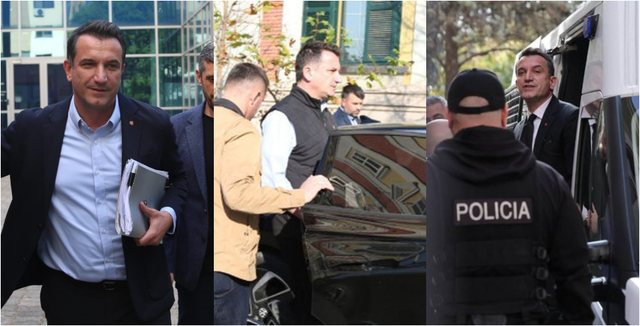
The Mayor of Tirana, Erion Veliaj, turns one year old today since his arrest. By order of SPAK, Erion Veliaj has been behind bars for a year, while investigations continue against him for the charges brought by the Special Prosecution Office.
Veliaj was arrested at noon on February 10, 2025. Agents of SPAK and the National Bureau of Investigation landed at the premises of the Municipality of Tirana and then at his apartment, implementing the arrest warrant issued by the Special Court. On February 10, former mayor Erion Veliaj participated in the inauguration of a kindergarten in Yzberisht. A few minutes later, after the footage from the kindergarten, Veliaj appeared at the Municipality of Tirana as he left his office with a file in his hands in the company of BKH officers.
The day of the arrest was accompanied by tension and strong reactions, mainly from the opposing camp. On the other hand, Veliaj himself, in his reactions, declared that he was innocent and that he had faith in justice. Since that day, Veliaj's case has caused debate between politics and justice. While the Municipality of Tirana has continued to function under the direction of the management structures, while Veliaj continues to remain mayor, but his ongoing case 'keeps him out of office'.
A year after the arrest of Tirana Mayor Erion Veliaj, the case appears to have officially entered the trial phase. Yesterday, the Special Court Against Corruption and Organized Crime (SCOC) decided to proceed to trial on the merits of the case against Erion Veliaj and the other defendants.
Veliaj is accused of passive corruption, money laundering, concealment of assets and abuse of office, related to irregular benefits from private companies and non-profit organizations. While the other defendants are accused of active corruption, money laundering, concealment of income and other criminal offenses.
Veliaj has been in prison since February 10, 2025. He, along with his wife Ajola Xoxa, are accused of corruption in 9 cases. Veliaj is also charged with 'abuse of office', 'laundering the proceeds of a criminal offense or criminal activity', 'bringing or keeping prohibited items in the institution for the execution of prison sentences' and refusing to declare, failing to declare, concealing or falsely declaring assets, private interests of elected officials and public servants or of any other person who has a legal obligation to declare./ZËRI