Protests, violence, curfews: From France to Albania, why Europe'...
/ 2026-10-20 23:47:20Focus


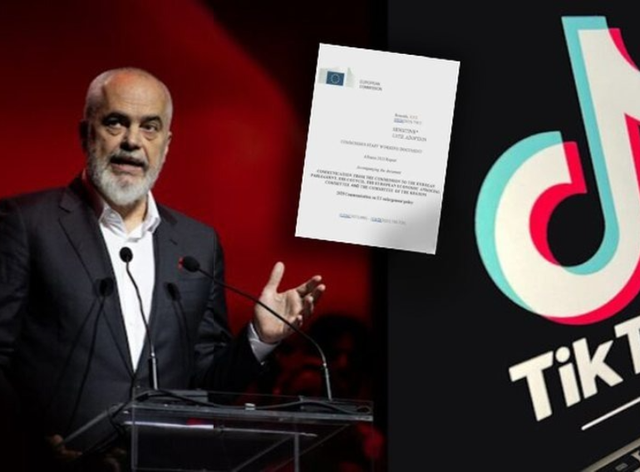
The European Union 's progress report on Albanian citizens' access to the internet and the work of online media has dealt a strong blow to the Albanian Government, especially for closing the "Tik Tok" platform two months before the May 11 parliamentary elections.
As written in black and white, the public justification was to protect children from harmful content, while currently "Tik Tok" is accessible throughout Albania and there is no official announcement from the government about the lifting of the ban.
"In March 2025, the government decided to suspend access to a major social media platform across the country for 12 months on the grounds of protecting children from harmful content. While there was no official announcement of the lifting of the ban, the platform is accessible across the country following an agreement to provide filters for hate speech in Albanian. The cybersecurity capacity of the media is generally weak. Several cyberattacks against the media occurred during the reporting period," the EU progress report says.
The widely used and widely used social network in Albania was shut down for a period of 12 months by the Albanian government following a series of incidents involving teenagers, with the origin of the conflicts being attributed to "Tik Tok". The opposition accused the government of using the shutdown as a way to penalize critical voices during the campaign.
Also, in the official European Union document that scans the work of the Albanian government, attention is paid to media self-regulation, as well as the working conditions of journalists, especially those in the online market.
"Self-regulation in the media sector remained weak and hampered by limited resources, a polarized media landscape, and the continued use of inflammatory rhetoric in public debate. It remains important to ensure support for self-regulatory initiatives and promote adherence to ethical codes across the sector," the document continues.
The progress report highlights problems with salaries, workload and self-censorship, which it says remains widespread and driven by political pressure.
" Limited job security and poor working conditions for journalists, combined with self-censorship and pressure from political actors and media owners, continued to pose serious challenges for journalists. Problems remain with unpaid salaries, excessive workloads, and job insecurity, particularly in local and online media.
"Media freedom organizations reported at least 13 new official complaints to the State Labor Inspectorate between September 2024 and March 2025. Self-censorship remains widespread, fueled by political pressure, legal threats, and economic dependence ," it concludes.