Is this police force professional and capable of handling violen...
/ 2026-10-16 18:54:07Focus


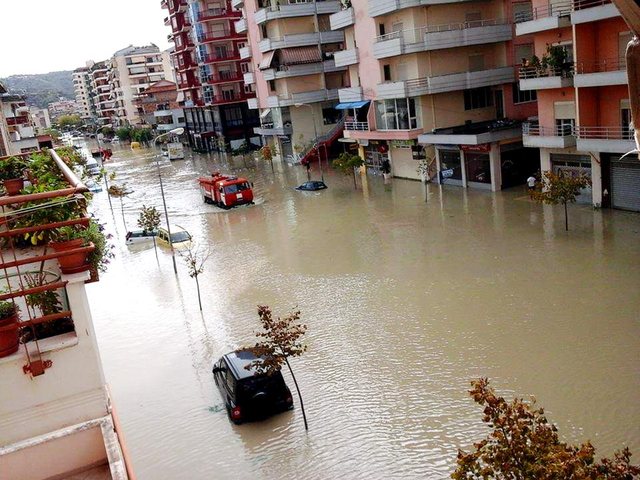
Following the massive floods affecting several cities in Albania, on January 6, 2026, a group of observers from the Albanian Helsinki Committee conducted a partial monitoring to verify the situation and the consequences of these disasters.
The inspection focused on the Municipality of Durrës, where meetings were held with residents of the "Kënetës" area and damaged houses were inspected.
In addition to residents, representatives of local authorities also met, including the Administrator of Administrative Unit No. 6, the Prefect of Durrës District, and representatives of various public service directorates.
At the conclusion of the monitoring, the Albanian Helsinki Committee shares some important concerns and recommendations regarding institutional accountability and transparency in the compensation process for the affected residents.
This includes:
Verification and Institutional Responsibility: Local authorities have identified waste dumping and interference with sewage infrastructure as the main causes of flooding.
AHC demands that a comprehensive verification of the work of the institutions responsible for the maintenance of the sewage system and environmental protection be carried out. The state cannot place the responsibility solely on the residents, but must also assume its own responsibilities in this regard.
Responsibilities of Municipalities: According to Law No. 139/2015 on Local Self-Government, municipalities are responsible for the collection, treatment and removal of rainwater and floods in residential areas. AHC emphasizes the need for a plan of measures to prevent further massive floods, which should be drafted by local government units at the national level, in accordance with Law No. 45/2019 “On Civil Protection”.
Information and Transparency on Compensation: Some residents have expressed concern that they have not been informed about the procedures for obtaining compensation, while those who have submitted documentation have not received a copy of the minutes kept by the damage assessment commissions. AHC requests that transparency and information for citizens regarding the process of assessing and distributing compensation be increased.
Improving the Capacities of Administrative Units: Administrative units, such as the one of the Municipality of Durrës, must be equipped with sufficient personnel to cope with civil emergencies and to administer the requests of residents. The situation created by the absence of two inspectors and the burden of the administration in the face of numerous requests is a sign of the necessity to strengthen the capacities of these units.
Timeline for Compensation: AHC emphasizes the need for the process of assessing damages and distributing compensation to be completed within a reasonable timeframe. Some residents have reported that a similar flood situation occurred three years ago and they received compensation only after a two-year delay. AHC requests that compensation be made in accordance with the principles of efficiency, effectiveness and economy.
In conclusion, the Albanian Helsinki Committee appeals for a commitment by local institutions and authorities for a more responsible and transparent treatment of civil emergency situations, as well as for increased attention to the needs and rights of citizens, who should feel protected and informed about every step of the assessment and compensation process.