Protests, violence, curfews: From France to Albania, why Europe'...
/ 2026-10-20 23:47:20Focus


Ibiza played a strategic role for an international drug trafficking network run by the Albanian mafia, according to a joint investigation by the National Police and the Civil Guard.
The organization used the island as a collection point for cocaine and hashish dumped into the sea by merchant ships coming from South America and Morocco; the drugs were then taken by powerful speedboats and stored in secret structures on the island.
From there, the drugs were sent to Mallorca, Valencia and other European destinations.
The narcotics, dumped into the open sea in bags equipped with GPS beacons, were collected by speedboats with three 300-horsepower engines each. The operations were carried out mainly at night to avoid detection by security forces.
Each trip could carry up to 750 kilograms of drugs, carried in submerged bags, tied with nets and identified with lights and pre-arranged coordinates. According to police reports, this method was used at least 43 times.
The criminal organization had set up a network in Ibiza for hiding and storing cargo, which turned the island into a key logistical center for drug trafficking in Europe.
This infrastructure allowed for the concealment of large quantities of drugs and their subsequent transportation to Mallorca and the rest of the peninsula, mainly to Valencia.
Among the security measures used by the group was the installation of tracking devices on police vehicles, which enabled them to predict the movements of operations and successfully complete them, such as the landing of almost two tons of hashish.
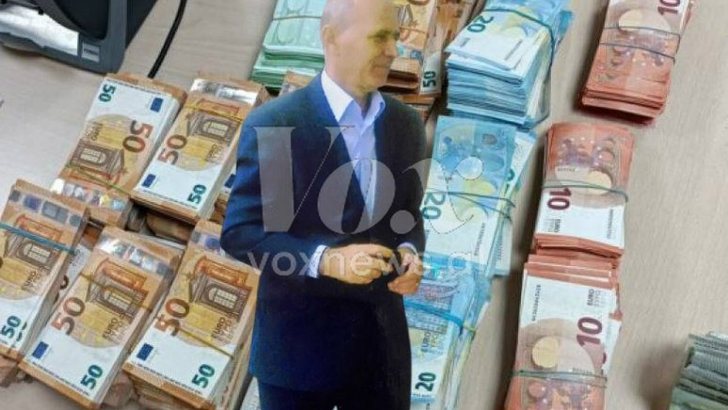
Although agents managed to seize 687 kilograms of cocaine, 2,500 kilograms of hashish and more than 1.5 million euros, data extracted from confiscated documents show that the network had moved much larger quantities: 2,107 kilograms of cocaine and 5,647 kilograms of hashish in Mallorca alone, with a turnover exceeding 25 million euros.
This indicates that the seized drugs represent only a small portion of the total quantity that was trafficked.
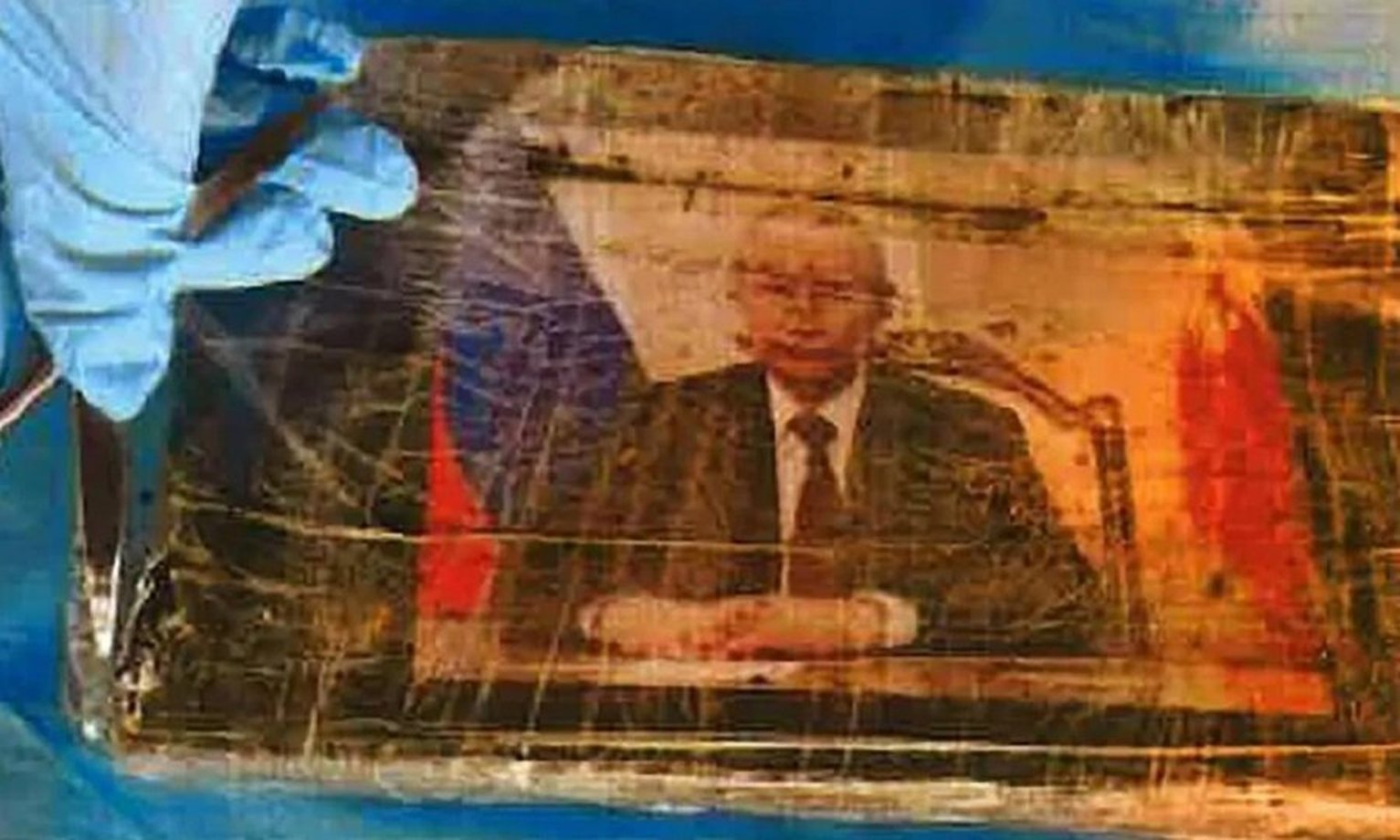
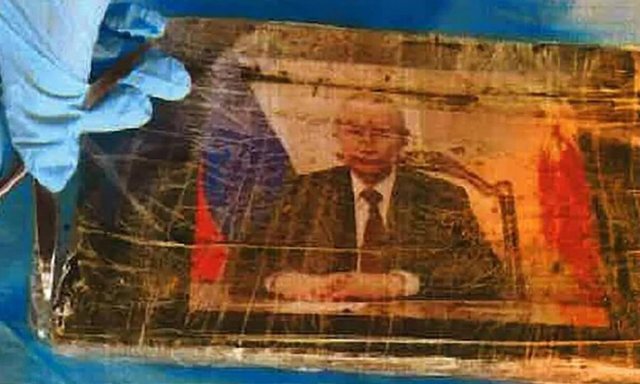
During the operation, which was christened "Enroque Bal/Manso", security forces discovered a rather strange detail in part of the seized cargo: some packages of cocaine had a photo of Russian President Vladimir Putin attached to them.
This type of marking, common in international drug trafficking networks, serves to identify the origin or group responsible for the shipment.
From collection points at sea, to storage in Ibiza and subsequent distribution to Mallorca and Valencia, the drugs ended up in the hands of clans known as Son Banya, La Soledat or Corea, to continue on to Italy, Germany and France.
Operation "Enroque Bal/Manso" has uncovered an unprecedented criminal structure, with links to Eastern European crime bosses and branches in hotels, shell companies and even law enforcement.
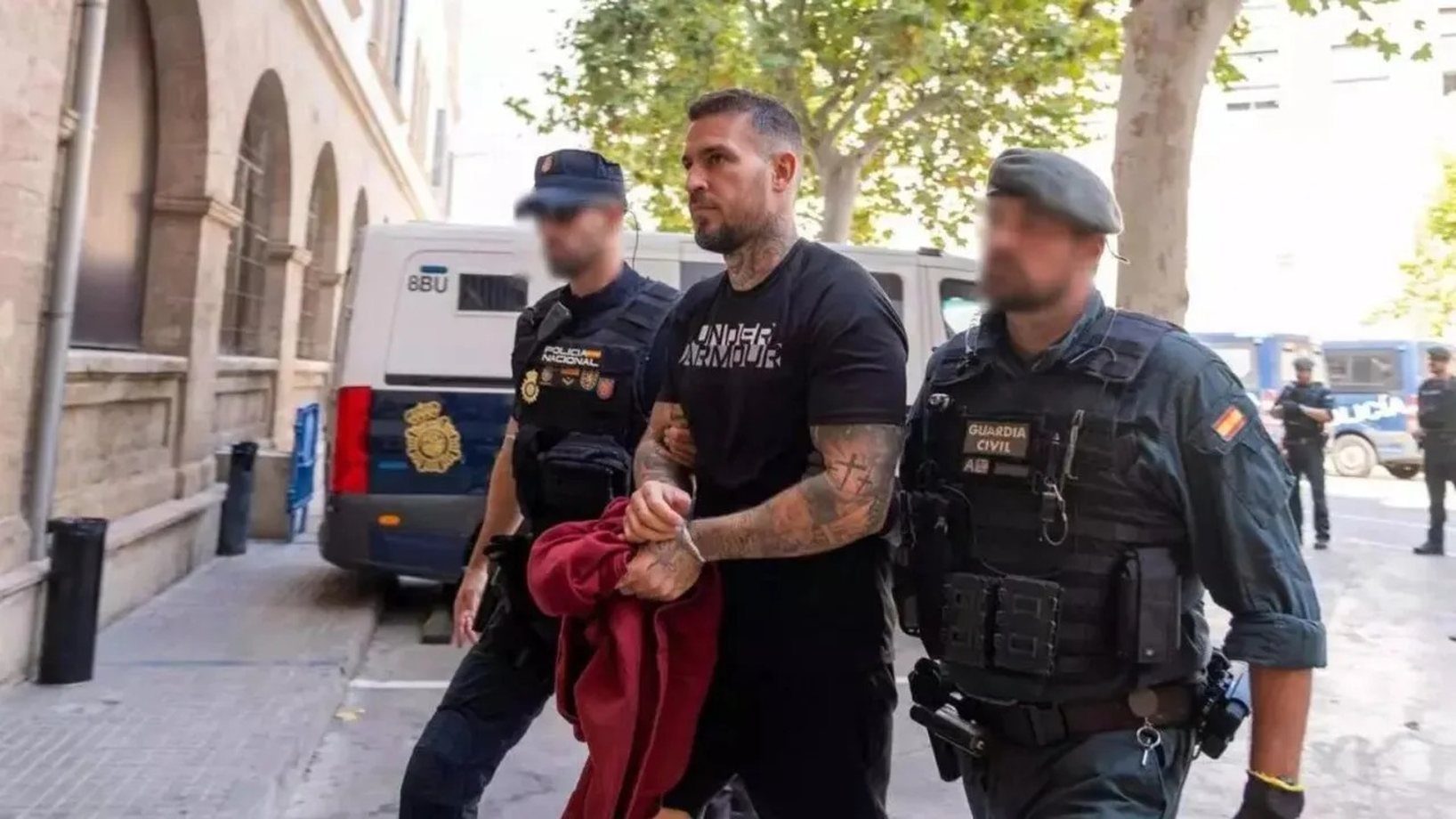
The dismantled network was led by Stefan Milojevic, linked to the "United Tribunes" motorcycle gang and considered the "executive arm" of the Albanian mafia in Spain.
Thanks to his contacts with clans from Montenegro and capos from Eastern Europe, he managed to create a direct trafficking route from Morocco to Ibiza, without going through intermediaries on the Iberian Peninsula.
“This is the Champions League,” Milojevic is said to have declared in a conversation intercepted by the Civil Guard, referring to the scale of his operations.
According to recently declassified investigation reports, the network is considered one of the most powerful ever discovered in Spain. The structure operated as a criminal logistics company, with departments for distribution, accounting, transportation and money laundering.
This network involved lawyers, police, local traffickers and even managers of tourist accommodation. The purchase of three hotels in Mallorca, Pamplona and Almansa was essential to channel the profits of drug trafficking.
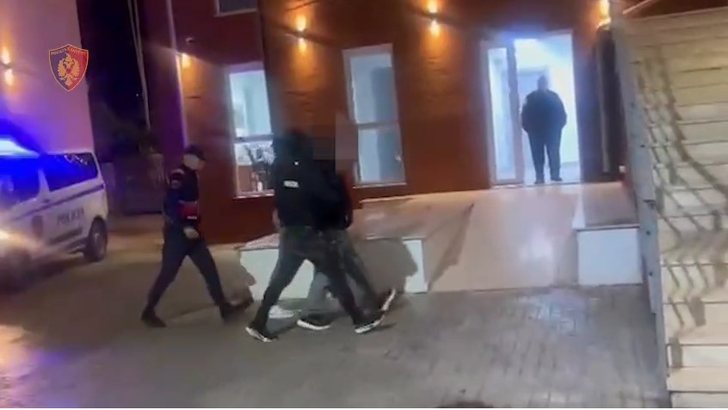
Among the over 100 people arrested were high-ranking figures inside and outside the system. The case of Faustino Nogales, an inspector of the National Police, stands out, accused of leaking secret information and warning the organization about the final operation, which forced the security forces to act earlier.
Along with him, lawyer Gonzalo Márquez, considered the financial mastermind of the scheme, and Milojevic himself were also imprisoned. All have been in preventive detention since August./ LavozdeIbiza