"Condemned" protesters?! Who trapped Rama inside the Prime Minis...
/ 2026-10-23 16:02:00Focus


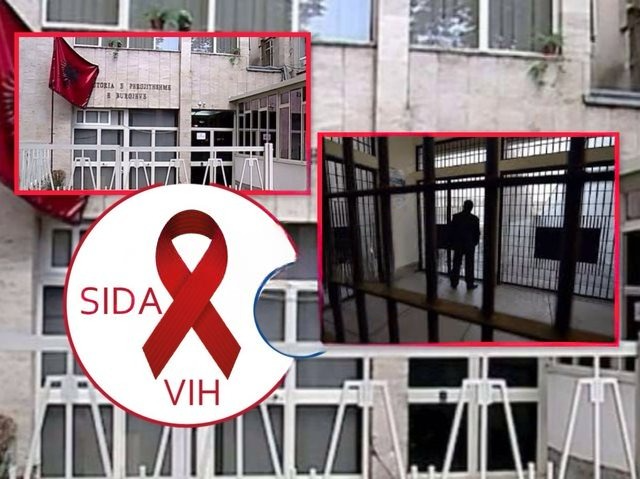
The General Directorate of Prisons has acknowledged that there are individuals infected with sexually transmitted diseases in detention institutions.
The Prison Directorate has clarified that there are some prisoners who have been diagnosed with "HIV-AIDS", but does not provide a specific number.

But it clarifies that the infected prisoners came with this disease from outside the prison, so they were not infected inside the cell and/or detention facilities, the file states .
Even in conditions of lack of freedom, the Prison Directorate claims that those infected receive the necessary treatment, according to the protocol provided by the doctor for each case.
Treatment is provided every month at the Infectious Diseases Hospital.
"For all prisoners who come with health problems with infectious diseases, the prison system takes immediate measures for their treatment. In the prison system, prisoners with HIV/AIDS have arrived diagnosed with this disease from their free life. Cases that have resulted in HIV/AIDS are consulted with infectious disease specialists, all necessary examinations are performed and free antiretroviral treatment is provided by the QSUT "Mother Teresa" Infectious Disease Hospital. This treatment is provided once a month by the health staff of the IEVPs, near the Infectious Disease Hospital," the response of the Prison Directorate states.
The response of the Directorate of Prisons:
Following the request, we are providing you with information regarding the treatment of prisoners with the infectious disease HIV/AIDS.
All prisoners enjoy the fundamental right to enjoy good health, both mental and physical, and enjoy the right to health care at the same standard as the wider community.
Prisoners have access to all health services that exist in the country, without being discriminated against due to their legal status.
The health service for prisoners and detainees is in line with public health structures. The prison system also follows the same health policies as those of the Ministry of Health.
Health care services in the institution for the execution of criminal decisions are guaranteed to every prisoner without discrimination for any reason provided for by the legislation on protection from discrimination.
Shërbimet e kujdesit shëndetësor sigurohen gjatë kohës së qëndrimit në institucion nga Drejtoria e Përgjithshme e Burgjeve dhe mbulohen nga sigurimi i detyrueshëm i kujdesit shëndetësor. Të burgosurit përfshihen në kategorinë e personave ekonomikisht jo aktivë, në kuptim të legjislacionit në fuqi, dhe përfitojnë pa pagesë të gjitha shërbimet që ofron skema e sigurimit shëndetësor, sipas këtij ligji.
Shërbimet e kujdesit shëndetësor sigurojnë: a) parandalimin, diagnostikimin dhe mjekimin e sëmundjeve; b) furnizimin me barna dhe pajisje mjekësore në rastet e emergjencës shëndetësore kur ato nuk mbulohen nga sigurimi i detyrueshëm i kujdesit shëndetësor; c) profilaksinë për sëmundjet, duke bërë kujdes të veçantë për sëmundjet infektive dhe ato ngjitëse; ç) sigurimin e higjienës së mjedisit dhe edukimin sanitar të paraburgosurve dhe të dënuarve.
Çdo institucion (IEVP) ka shërbim shëndetësor e farmaceutik, që u përgjigjet nevojave për parandalimin dhe ruajtjen e shëndetit të të burgosurve. Personat që mbartin sëmundje infektive, duke përfshirë sëmundjet seksualisht të transmetueshme, trajtohen në përputhje me standardet që zbatohen për këto kategori në institucionet spitalore.
Për të gjithë të burgosurit që vijnë me probleme shëndetësore me semundjet infektive, nga ana e sistemit të burgjeve merren masa të menjehershme për trajtimin e tyre. Rastet që kanë rezultuar me HIV/AIDS, konsultohen me mjekët specialistë infeksionist, u realizohen të gjitha ekzaminimet e nevojshme dhe u sigurohet mjekimi falas me antiretroviral, nga Spitali Infektiv QSUT “Nënë Tereza”.
Ky mjekim merret një herë në muaj nga stafi shendetësore i IEVP-ve, pranë Spitalit infektiv. Në sistemin e burgjeve personat e burgosur me HIV/AIDS kanë ardhur të diagnostikuar me këtë sëmundje nga jeta e lirë.
Transmetimi - HIV përhapet përmes tre rrugëve kryesore: kontaktit seksual, ekspozimit të konsiderueshëm ndaj lëngjeve ose indeve të trupit të infektuara dhe nga nëna tek fëmija gjatë shtatzënisë, lindjes ose ushqyerjes me gji (i njohur si transmetim vertikal), nëpërmjet gjakut dhe produkteve të gjaku.
“Nuk ka rrezik për të marrë HIV nëse ekspozohet ndaj feces, sekrecioneve të hundës, pështymës, djersës, lotëve, urinës ose të vjellave, përveç rasteve kur ato janë të kontaminuara me gjak”.
Mënyra më e shpeshtë e transmetimit të HIV-it është nëpërmjet kontaktit seksual me një person të infektuar, çka do të thotë se levizja e të burgosurve në seancat gjyqvsore apo në spitale nuk përben rrezik infektimi për stafin punonjës të shoqerimit.
Nga ana tjetër evidentojmë se, në bashkëpunim me shoqatën STOP/AIDS në menyrë të vazhdueshme behën trajnime të stafit shëndetësor dhe psikosocial mbi menaxhimin dhe trajtimin e të burgosurve me sëmundje infektive (si Hepatiti B dhe C, HIV/AIDS, sëmundje seksualisht të transmetueshme), si edhe depistime vullnetare të të burgosurve për sëmundje infektive.
Laboratories have been established in some prisons to conduct rapid tests for infectious diseases, to screen prisoners with the aim of diagnosing prisoners as early as possible, but also to prevent and manage cases with infectious disease problems.
Prisoners who are suspected of having HIV/AIDS are immediately subjected to medical examinations at the IHP (Institute of Public Health) and, if they test positive, are consulted with an infectious disease specialist and treated according to the treatment protocol with antiretroviral medication, which is provided free of charge under the reimbursement scheme.