Is this police force professional and capable of handling violen...
/ 2026-10-16 18:54:07Focus



An investigation by the BBC Global China Unit has revealed the disturbing extent of the phenomenon of hidden cameras in hotel rooms in China, where intimate images of customers are recorded and broadcast without their knowledge on online platforms, mainly for profit.
The case reported by the BBC tells the story of “Eric” (not his real name) who in 2023 accidentally discovered that he and his partner had been secretly filmed during a stay at a hotel in Shenzhen, and that the footage had been shared with thousands of users on online channels. The discovery had occurred just weeks after their stay at the hotel.
The footage was captured by small cameras hidden in hotel rooms, directly connected to live streaming networks. According to the BBC, several websites and apps – mainly promoted via Telegram – claim to operate over 180 active hidden cameras in various hotels across China.
A growing phenomenon, despite the law
Although the production and distribution of pornographic materials is prohibited in China, this phenomenon has existed for years and, according to the BBC, has spread even more recently, driven by technology and social networks.
In April last year, Chinese authorities passed new regulations forcing hotels to conduct regular checks for hidden cameras, but the investigation shows that the practice continues.
The BBC identified thousands of new videos filmed in hotel rooms, and estimates that thousands of people may have been filmed without their knowledge, based on typical hotel occupancy rates.
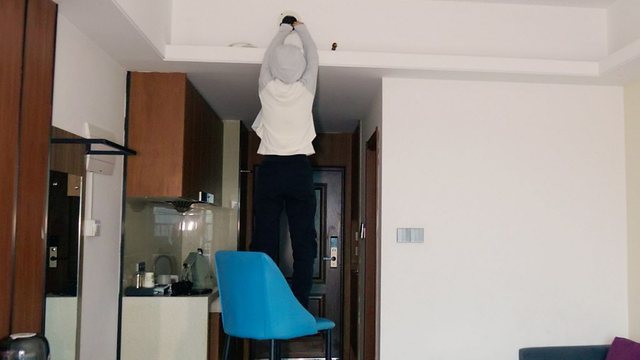
The investigation reveals an organised ring, where camera installers, website administrators and online brokers collaborate to sell access to live streams and video archives. One of the brokers alone, according to BBC estimates, may have earned tens of thousands of dollars in a single year.
Trauma for victims and criticism of platforms
Victims describe severe psychological consequences, fear of public exposure and a loss of sense of security. Organizations that help victims say that removing such material from the internet is extremely difficult, especially on platforms like Telegram.
The BBC has criticized technology companies for a lack of rapid response, emphasizing that platforms bear direct responsibility for how illegal content is spread.
Although some accounts were closed after the investigation was published, secret broadcasts from hotel rooms continue, raising serious concerns about citizens' privacy and security.