Is this police force professional and capable of handling violen...
/ 2026-10-16 18:54:07Focus


In Milan's legendary San Siro, the opening ceremony of the Milan Cortina Winter Olympic Games was transformed into a spectacle where sport, art and fashion came together in a single visual language.
Amidst the lights, performances and big names in international music, attention focused on a special moment: a heartfelt and refined tribute to Giorgio Armani, the designer who embodied Italian elegance for decades and who passed away last year.
This was not just a symbolic tribute. Until the last months of his life, Giorgio Armani had worked directly on the artistic concept of the opening ceremony, with the aim of bringing what he called “timeless elegance” to a global stage.
For him, sports and fashion were two forms of the same contemporary expression, and it was this idea that permeated the entire spectacle.
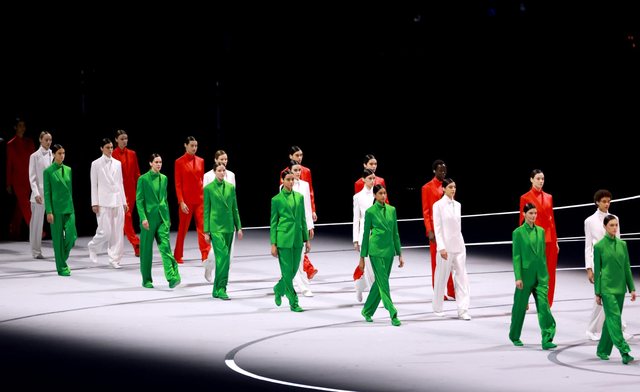
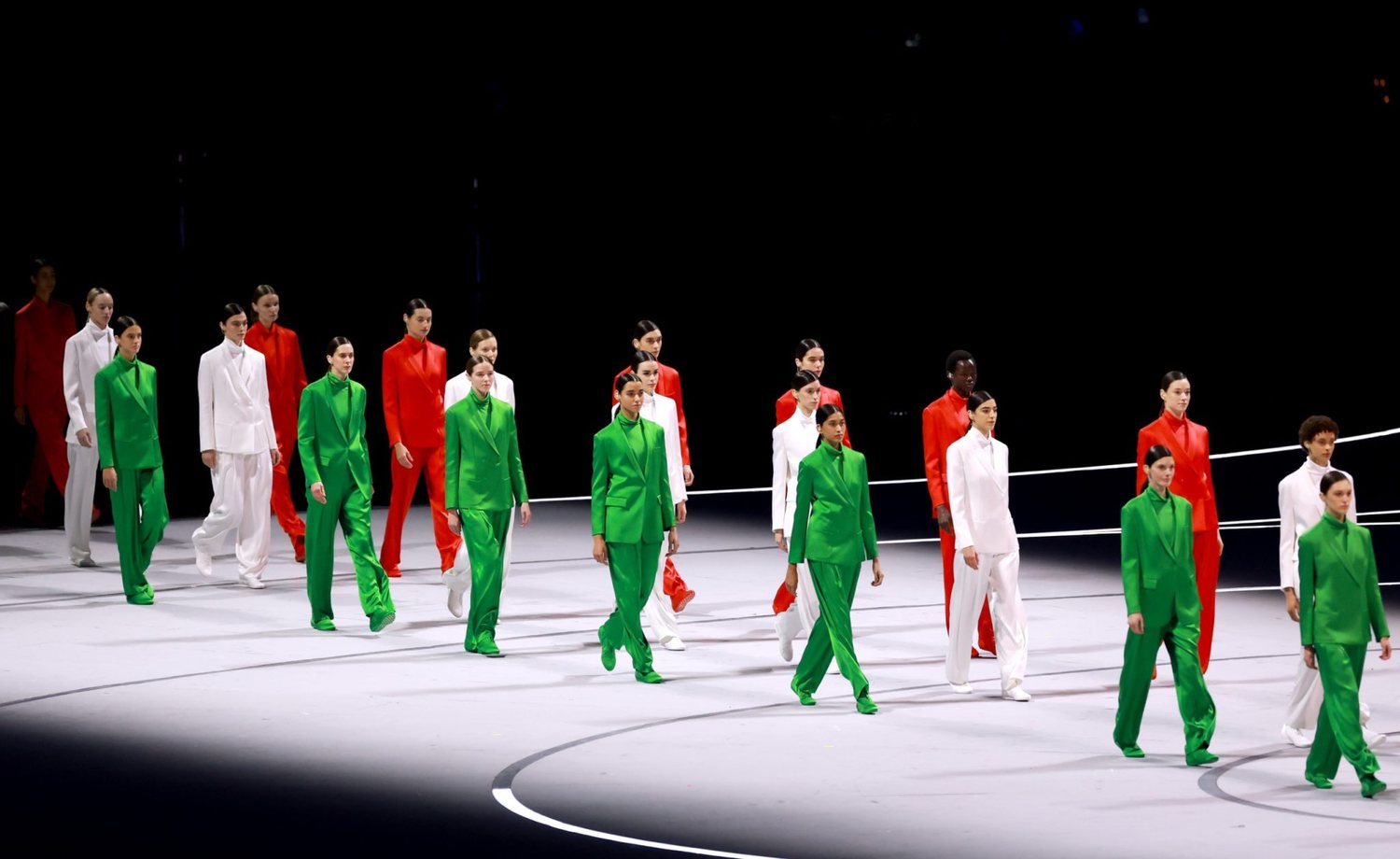
The culminating moment came with the tricolor parade, a pure aesthetic choreography that functioned as a solemn salute to Italy and to Armani himself.
Sixty models, dressed in monochromatic mannish suits in the colors of the Italian flag, marched in perfect harmony.
The dresses – among the designer's latest creations – were made of soft satin, with flowing lines, single-breasted jackets and wide trousers, accompanied by loafers and high-neck sweaters in the same color.
A controlled minimalism that spoke louder than any words.
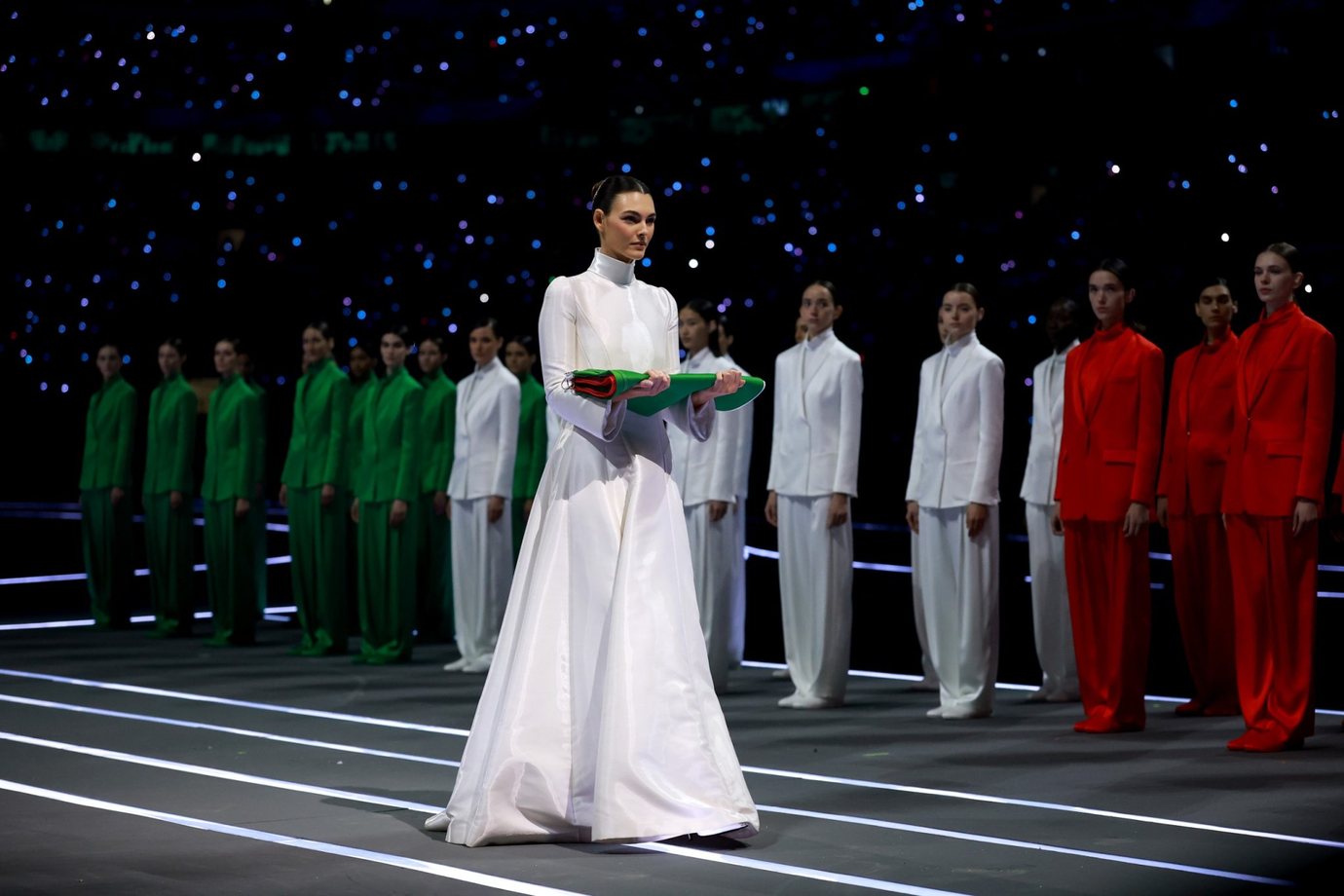
The show was opened by Agnese Zogla, Armani's early muse, while at the close, as an almost ethereal figure, Vittoria Ceretti appeared, chosen as the evening's flagship.
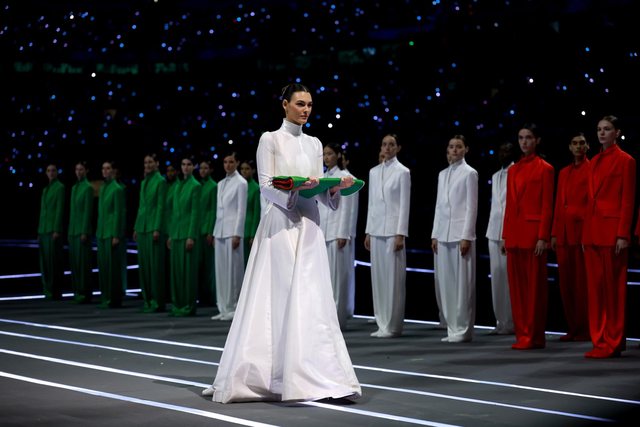
She wore a white Armani Privé dress, originally conceived for the Alta Moda catwalk, but saved for this special moment – as a final aesthetic testament.
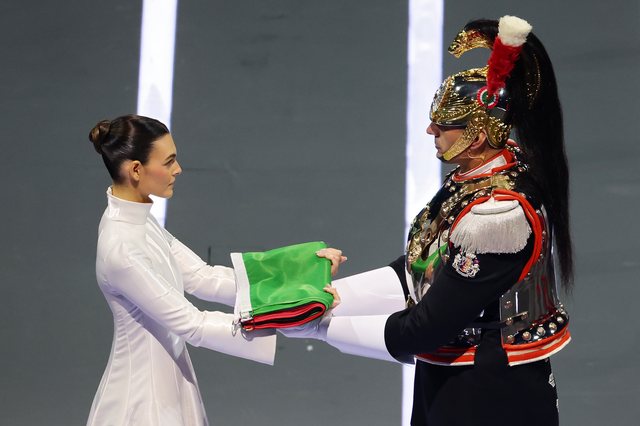
The homage continued at the moment of the Olympic flag handover, where personalities from international sports and humanitarianism paraded dressed in the Giorgio Armani Fall/Winter 2025–2026 collection. No excesses, no empty pomp: only shape, cut and visual calm.
In the end, the Milan Cortina ceremony left a clear message: in Italy, style is not decorum.
It is identity, it is memory, it is a way to give meaning to greatness. And Giorgio Armani, even in his absence, was there – not as a name, but as an aesthetic language that continues to speak to the world.