Is this police force professional and capable of handling violen...
/ 2026-10-16 18:54:07Focus


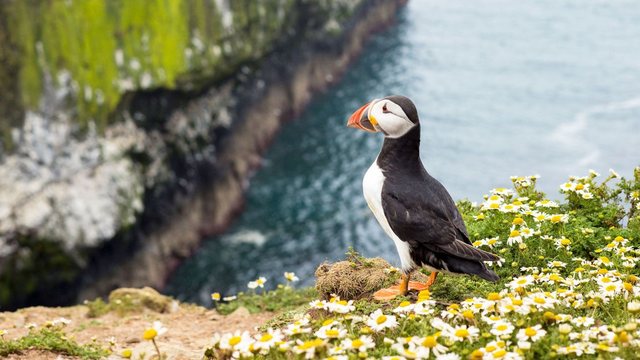
A rare opportunity for volunteers to live on a remote, protected island is being offered in Wales in exchange for taking part in seabird census programmes, with the main aim of monitoring endangered birds.
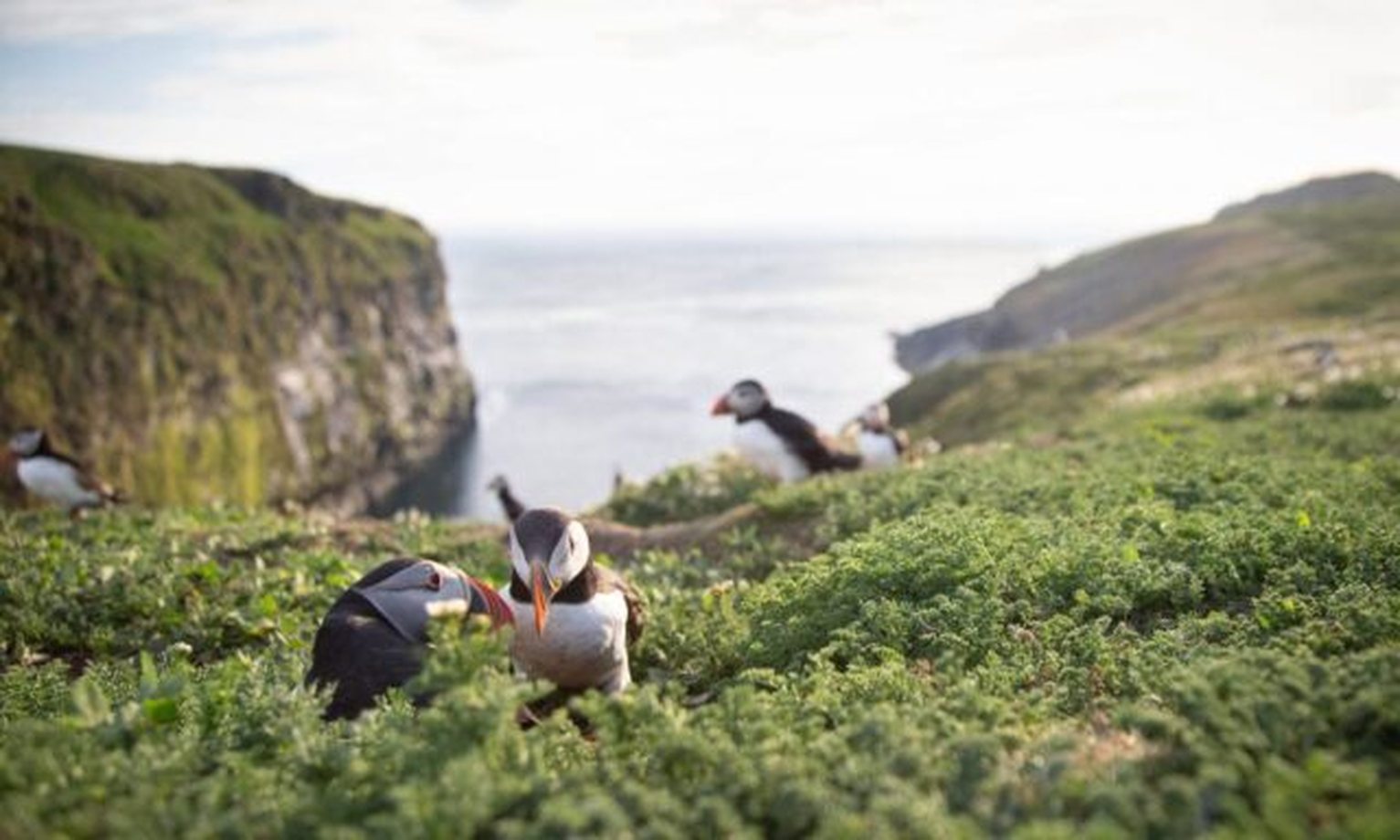
Skomer Island is located about a mile off the coast of Pembrokeshire, southwest Wales, and is a 2.92 square kilometre national nature reserve. It is managed by the Wildlife Service for South and West Wales (WTSWW), which is looking for volunteers to live and work on the island for a few months in the spring, summer or autumn.
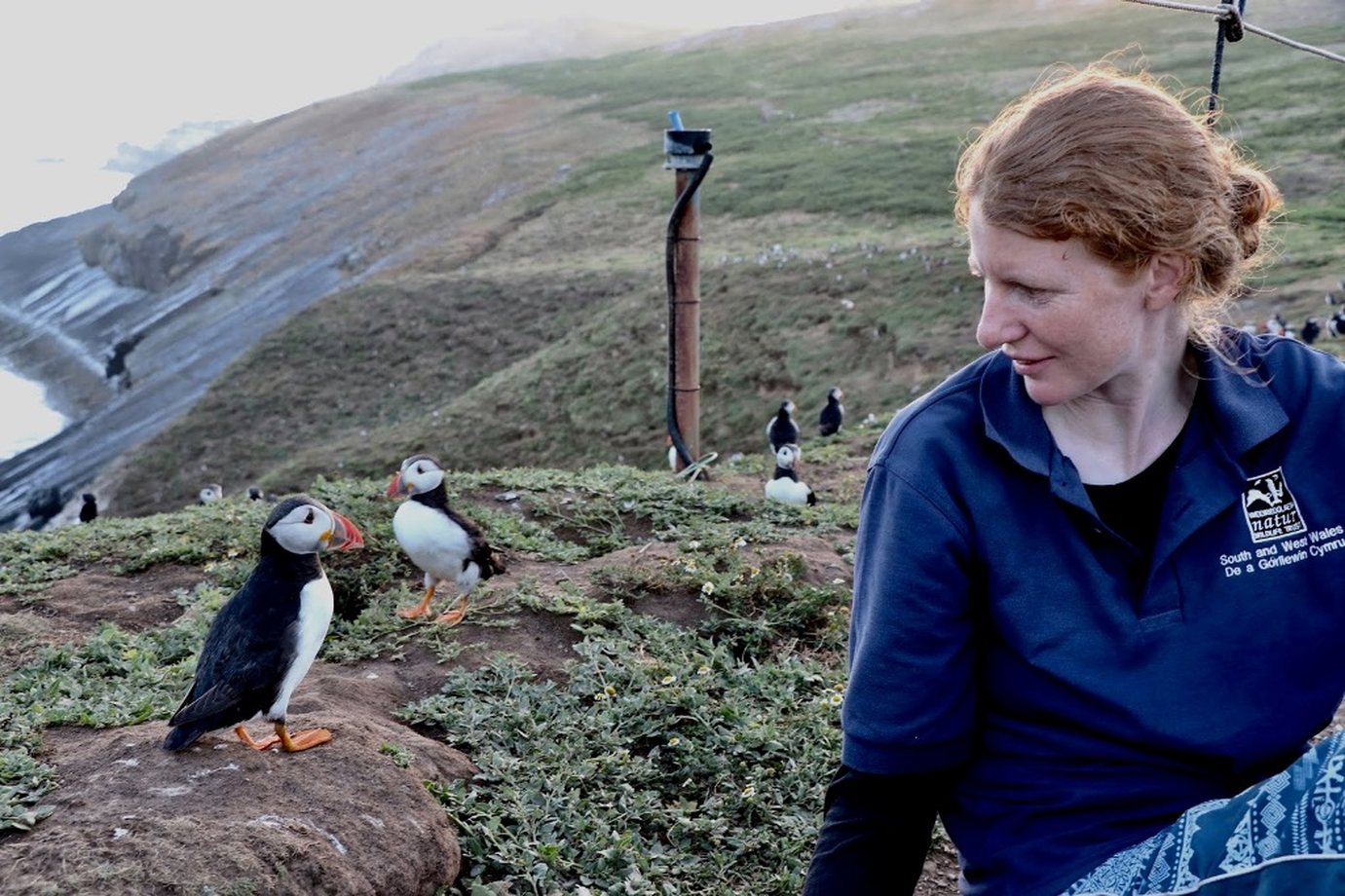
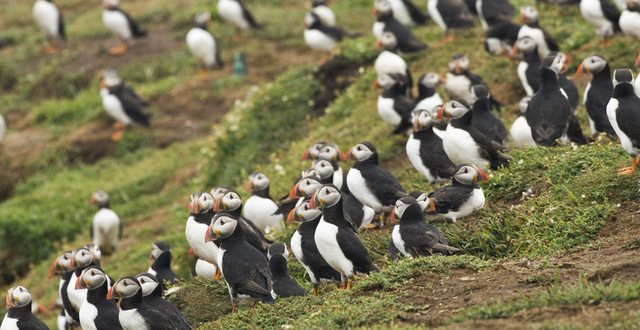
The island’s visitor manager, Rob Knott, said the little birds are “absolutely iconic birds” and counting them is “a demanding process.” Volunteers divide the island into sectors and start counting about two hours before sunset, when most birds are on the ground. Using special handheld measuring tools, they record what’s on the ground, in the sea and in the air.
The positions are unpaid, but WTSWW fully covers accommodation on the island, travel expenses within the UK and a stipend ranging from £200 to £400. Three long-term volunteer positions and one seabird monitoring position are currently advertised.
Vulnerable species
Puffins are listed as vulnerable on the International Union for Conservation of Nature's Red List. "This is sad for a number of reasons, especially when you consider that the population was once thriving. We are doing everything we can to improve these numbers," Nott said.
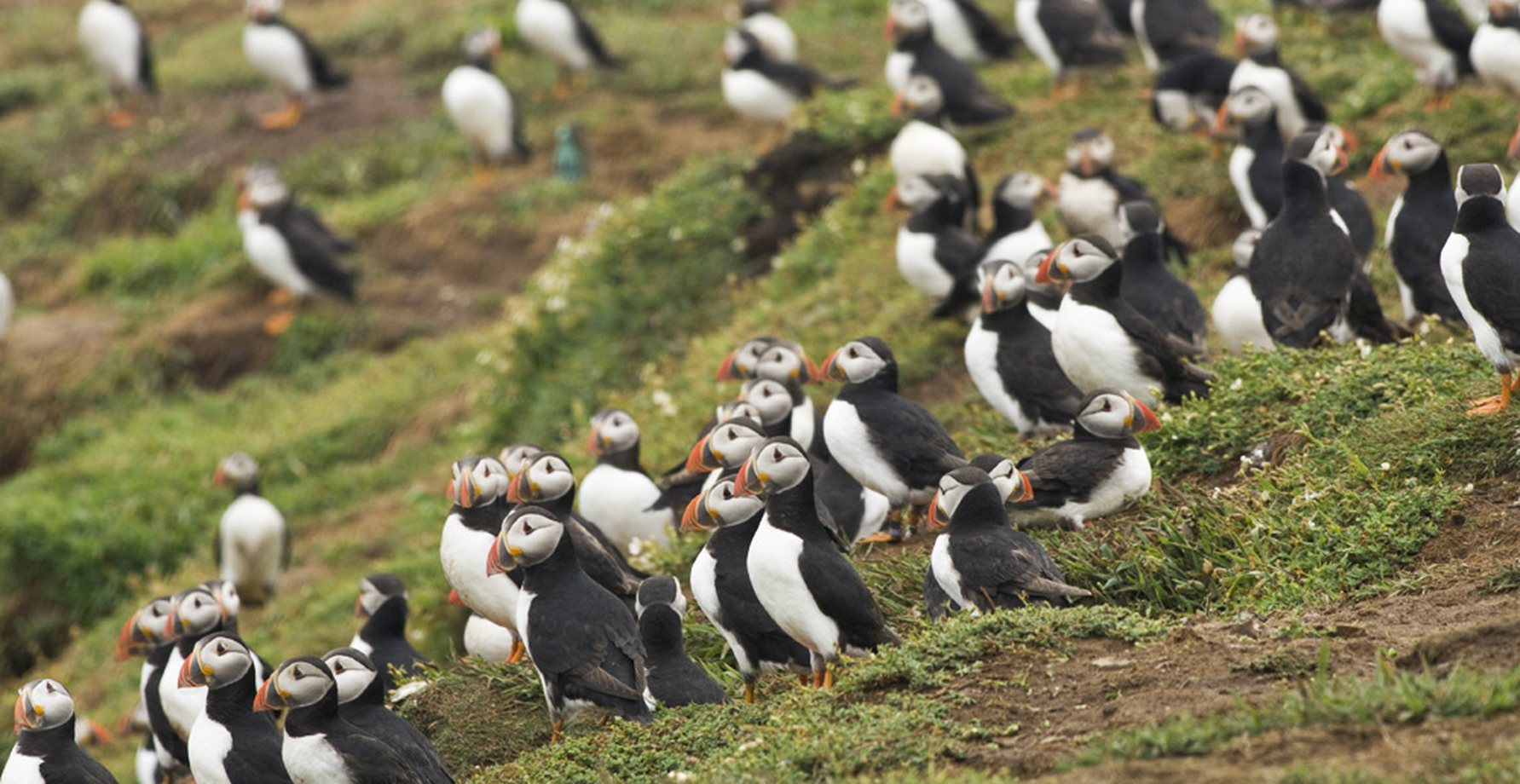
Every year, a systematic seabird census is carried out on Skomer, with the aim of recording the numbers returning in the spring to breed. Last year, a record 43,626 puffins were recorded, despite a rapid decline in populations worldwide. According to WTSWW, this increase is linked to the abundance of food in the wider marine area and the absence of predators such as rats and foxes.
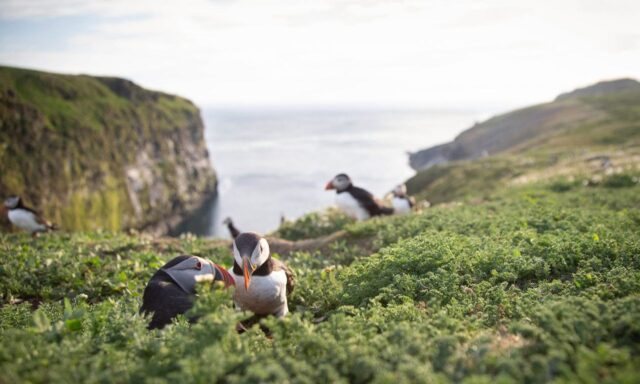
The island is also home to an estimated 350,000 mating pairs of Manx shearwaters, as well as thousands of small birds, which are also rare bird species in the wider Atlantic region. In the spring, the volunteers' work focuses mainly on parrot counts and marine surveys from ships. In the summer, the emphasis is on monitoring the development of the birds, while in the autumn, they include monitoring grey dolphins, as well as other species such as rodents, reptiles and moths.
Living conditions
The volunteers work for about three months, from late March to late September, while the seabird monitor will be employed from May 23 to June 23. They also help with the day-to-day operations of the island, which welcomes about 25,000 visitors a year.
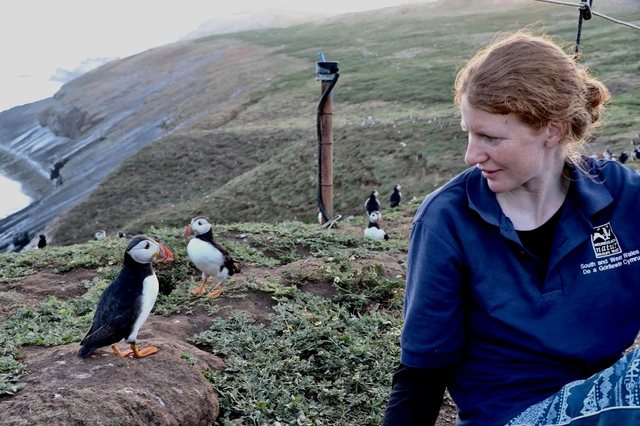
Skomer has no shops and visitors must carry their own food and supplies. There are no permanent residents, but seasonal WTSWW staff live there for about nine months of the year. Access is only by boat, with frequent services from April to August, with reduced services in September, depending on demand.