Is this police force professional and capable of handling violen...
/ 2026-10-16 18:54:07Focus


The presidents of the United States and Iran have signed an initial peace agreement aimed at ending the war between the two countries, making it effective immediately.
The agreement provides for the reopening of the Strait of Hormuz, a $300 billion plan to "rebuild" Iran, and the lifting of all US sanctions on Tehran.
However, the Iranian nuclear program - the main reason the US had cited for starting the conflict - still remains the subject of negotiations, which will take place over a 60-day period, with the possibility of extension if both sides agree.
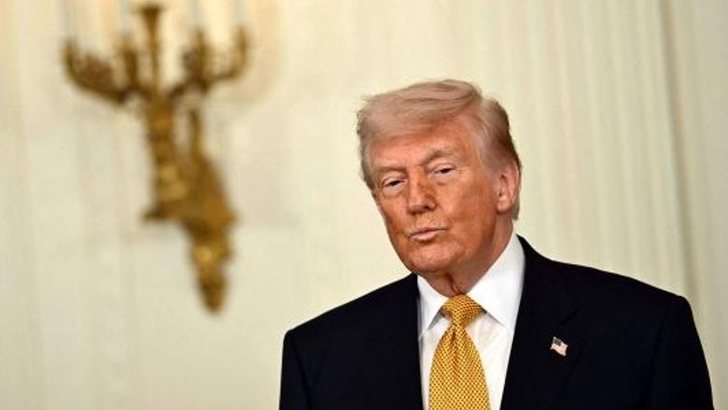
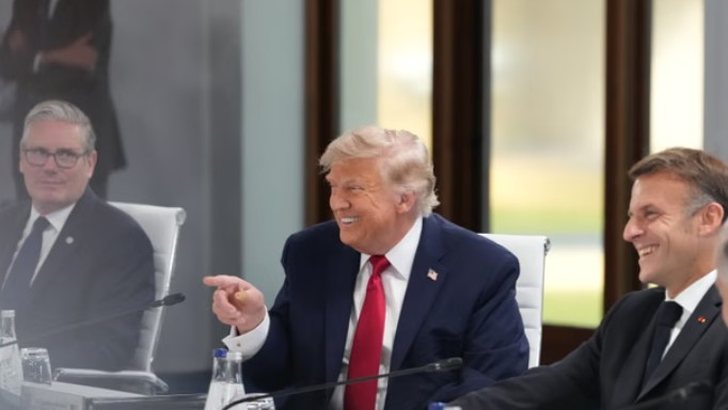
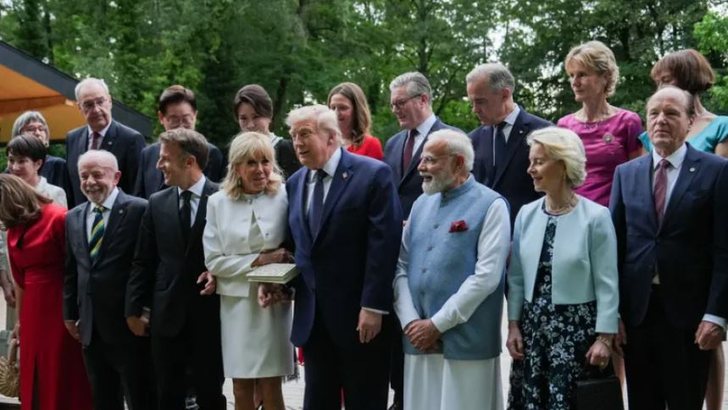
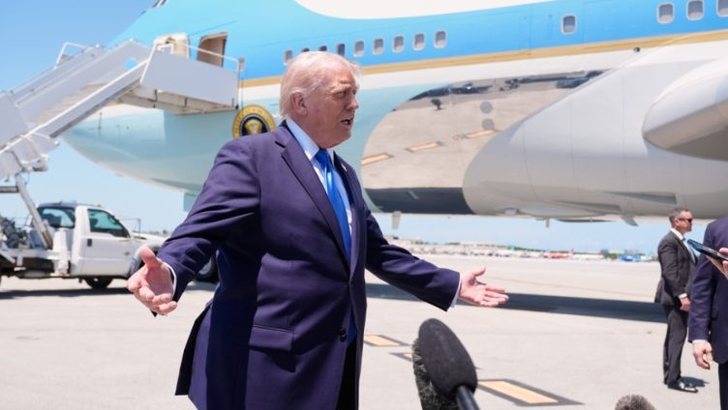
US President Donald Trump, who signed the document during the G7 summit in France, defended the agreement, saying it would avert a global "economic catastrophe".
"I didn't want to see an economic catastrophe. If the conflict had continued, that could have happened," Trump told reporters.
However, he warned that the US would take harsh military action against Iran if a final agreement was not reached.
Iranian President Masoud Pezeshkian also confirmed the signing of the document, while senior Iranian officials expressed distrust of Washington.
The speaker of the Iranian Parliament and chief negotiator, Mohammad Bagher Ghalibaf, told state media that Iran remains ready for any scenario.
"If the enemy does not understand the language of logic, we will return to the language of force," he said.
What does the agreement include?
One of the main points of the document is Iran's commitment not to develop or acquire nuclear weapons.
The deal also calls for Iran's enriched uranium to be diluted under the supervision of the International Atomic Energy Agency (IAEA). Initially, the US had demanded that the nuclear material be completely removed from Iranian territory.
The document also guarantees the reopening of the Strait of Hormuz, one of the most important trade corridors in the world, through which about 20 percent of global oil and liquefied natural gas trade passes.
For the first 60 days, there will be no fees for ships passing through this strategic waterway, but the agreement leaves open the possibility of imposing fees in the future.
Ghalibaf stated that the Strait of Hormuz "will not return to pre-war conditions," hinting that Iran could impose tariffs after the initial period ends.
Strong reactions in the US
The agreement has sparked fierce debate in Washington, facing opposition from both Republicans and Democrats.
Republican Senator from Louisiana, Bill Cassidy, called it "the biggest foreign policy mistake in decades."
Meanwhile, Republican Senator Ted Cruz criticized the $300 billion fund envisaged for the reconstruction of Iran.
"Giving billions of dollars to theocratic fanatics who want to destroy us is not a good idea," Cruz declared.
The US administration has denied that the fund will be financed by the US, clarifying that investments could come from third countries, such as the United Arab Emirates, if Iran complies with the agreement.
Trump also stated that Iranian assets frozen during the conflict should be returned to Tehran.
"It's not our money, it's their money and we've frozen it. At some point we'll have to give it back to them," he said.
On the other hand, Democrats have sharply criticized the agreement, arguing that it does not address Iran's support for allied groups in the region or its ballistic missile program.
Senator Jeanne Shaheen called the deal "very bad" and said it falls short of the objectives Trump had announced at the start of the war.
Markets react positively
Oil prices fell after the agreement was announced. Brent crude fell about 1 percent in Asian markets, although it remains above pre-conflict levels.
Trump argued that the prospect of peace has also positively impacted financial markets.
"Every time we talked about peace, the markets immediately went up. Every time we talked about the failure of negotiations, they went down significantly," the US president declared.
Both sides now have up to 60 days to reach a final agreement that will determine the future of US-Iran relations, as well as the fate of the Iranian nuclear program.