Is this police force professional and capable of handling violen...
/ 2026-10-16 18:54:07Focus


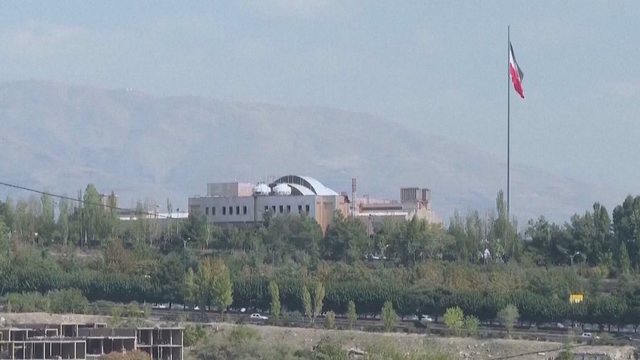
A draft of a 14-point agreement between the United States and Iran, obtained by CNN, outlines the terms of a possible ceasefire and a broad framework for normalizing relations between the two countries.
The document has not yet been finalized and, according to US officials, does not represent the final version of the agreement, but it provides a detailed overview of the negotiations that are expected to be finalized within 60 days.
Below are the 14 main points of the draft:
The US and Iran declare an immediate and permanent ceasefire on all fronts and pledge not to take hostile actions against each other.
Both countries commit to respecting sovereignty and territorial integrity and not interfering in internal affairs.
The parties agree to negotiate and reach a final agreement within 60 days, with the possibility of extension by consensus.
The US commits to lifting the naval blockade and not hindering Iran's movement, as well as withdrawing military forces within 30 days after the final agreement.
Iran undertakes to normalize the movement of commercial ships in the Persian Gulf and the Sea of Oman, including removing technical obstacles and neutralizing mines.
The US and regional partners are committed to an economic development plan for Iran with a minimum funding of $300 billion.
The US promises to gradually lift all sanctions, including those of the UN, IAEA, and secondary US sanctions.
Iran declares that it will never produce nuclear weapons, while the issues of enriched uranium will be resolved in the final agreement.
Both sides agree to maintain the status quo: Iran does not change its nuclear program and the US does not impose new sanctions or increase its military presence.
The US issues permits for the export of Iranian oil, petrochemical products and related services such as transportation and insurance.
The US is committed to releasing Iran's frozen funds and assets and making them fully usable.
The parties establish an implementation mechanism to oversee the agreement and future commitments.
After the implementation of several key points has begun, the parties continue negotiations only on the remainder of the final agreement.
The final agreement will be approved through a binding UN Security Council resolution.
The document is considered a preliminary political framework and not a final text, and some parts of it may change during future negotiations between the parties.