Is this police force professional and capable of handling violen...
/ 2026-10-16 18:54:07Focus


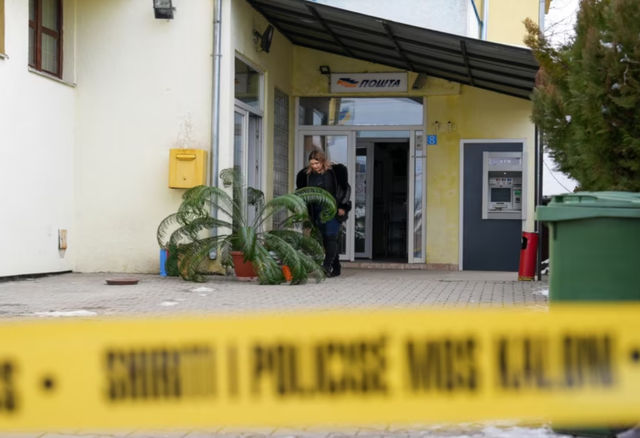
The United States, the European Union, Germany and the United Kingdom on Wednesday opposed the decision by Kosovo authorities to close parallel Serbian institutions in the country, saying they affect Kosovo's goals of joining the Euro-Atlantic community.
Several parallel municipalities of Serbia, as well as its post and tax offices, were closed on Wednesday in ten municipalities of Kosovo, on the south side of the Ibar River.
The US Embassy in Pristina said in a statement to Radio Free Europe/Radio Liberty that the closure of Serbian-run institutions "directly and negatively impacts the citizens of Kosovo - ethnic Serbs and other communities - and could undermine Kosovo's aspirations to join the Euro-Atlantic community."
"These actions, contrary to our best advice, weaken trust in the relationship and limit our ability to help Kosovo secure a better and brighter future for all its citizens," according to a spokesperson for the US Embassy in Kosovo.
In a statement posted on its website, the US Embassy in Pristina described Kosovo's actions as uncoordinated, saying they "weaken trust in the relationship" and "limit our ability to help Kosovo secure a better and brighter future for all its people."
In a reaction, the European Union said that Kosovo's actions to close down Serbian-backed structures - at a time of election campaigning for the February 9 parliamentary elections - are contrary to its obligations on the path to the European Union as part of the normalization process.
The German Ambassador to Kosovo, Jorn Rohde, distributed the EU statement on X, adding that he fully agrees with its reaction to the decision of the Kosovo authorities.
"And, let me be clear: We agree in principle that such parallel structures must be dismantled. But the way to do this must be comprehensive. With actions like these today, you do not win the hearts of the people affected by this," Rohde said.
The EU reiterated that the issue of Serbia-backed structures "is intended to be resolved in the dialogue facilitated by the European Union."
Kosovo and Serbia reached an agreement to abolish parallel institutions in 2013 during the dialogue for the normalization of relations in Brussels, but this agreement has not yet been fully implemented.
The EU also warned Kosovo authorities that Wednesday's decision could affect its decision not to lift punitive measures against Kosovo.
The European bloc imposed punitive measures against Kosovo in 2023, following rising tensions in the north of the country. The EU had assessed that the Kosovo government had not done enough to de-escalate the situation.
SEE ALSO: Does the closure of Serbian institutions mean the cessation of their work? No.
“While, as stated in the Council conclusions on enlargement for 2024, the EU will gradually lift measures against Kosovo in parallel with additional steps taken by Kosovo to reduce tensions in the north, these actions undermine this goal,” the bloc said on Wednesday.
In a statement on Wednesday evening, the British embassy in Pristina said the United Kingdom is "concerned" by today's actions by the Kosovo authorities.
She said she has urged the Kosovo Government to ensure that such actions are carried out in accordance with its legal framework, but also “to take into account the fact that many ordinary Kosovo Serbs, including the most vulnerable, continue to depend on these institutions for services.”
“Constructive engagement, by the governments of Serbia and Kosovo, through EU-facilitated dialogue, including the full implementation of the Brussels agreements and the establishment of the ASMM [Association of Serb-majority Municipalities], is the best way to address these issues,” she said.
While the Prosecution in Pristina said it did not authorize Wednesday's action, Kosovo Police said the operation was carried out at the request of the Ministry of Local Government Administration, and that its goal was to disrupt Serbia's "illegal services" in Kosovo.
Authorities in Kosovo say that the work of these Serbian institutions, which have been in operation since the post-war period in 1999, is "illegal", and began closing them early last year.
In Serbia, Prime Minister Miloš Vučević said that the "development of the situation" in Kosovo is being followed carefully.
"We will take all measures to protect the Serbian population from the new attacks of Albin Kurti [Prime Minister of Kosovo], who, apparently, has turned his pre-election campaign into a continuation of the mistreatment of our people," said Vučević.
The closure of Serbian institutions in 10 municipalities on Wednesday – Lipjan, Obiliq, Pristina, Fushë Kosovë/Kosovo Polje, Vushtrri, Novobërdë, Kamenicë, Viti, Rahovec and Skënderaj – comes days after police closed down the Serbian Tax Administration in North Mitrovica and the Serbian insurance company "Dunav Osiguranj" on January 8.
Kosovo began closing Serbian institutions as early as January 2024, initially closing down the provisional municipal bodies of Dragash, Suhareka, Prizren, and Rahovec, which were located south of the Ibar River.
Then the provisional municipal bodies of Peja, Istog, Klina, Skenderaj were closed, as well as those in the municipalities in the north: North Mitrovica, Zvecan, Zubin Potok and Leposaviq.
Meanwhile, the branches of the Serbian Post in northern Kosovo, the vault of the National Bank of Serbia in Leposavic, the Postal Savings Bank, the Office for Kosovo of the Government of Serbia, the Directorate of the Pension and Disability Insurance Fund, the Kosovo-Mitrovicë Administrative District, and the Center for Social Work in Vushtrri were also closed.
All these institutions with thousands of employees operated within the Serbian system.
In a reaction, the European Union said that Kosovo's actions to close down Serbian-backed structures - at a time of election campaigning for the February 9 parliamentary elections - are contrary to its obligations on the path to the European Union as part of the normalization process.
The German Ambassador to Kosovo, Jorn Rohde, distributed the EU statement on X, adding that he fully agrees with its reaction to the decision of the Kosovo authorities.
"And, let me be clear: We agree in principle that such parallel structures must be dismantled. But the way to do this must be comprehensive. With actions like these today, you do not win the hearts of the people affected by this," Rohde said.
The EU reiterated that the issue of Serbia-backed structures "is intended to be resolved in the dialogue facilitated by the European Union."
Kosovo and Serbia reached an agreement to abolish parallel institutions in 2013 during the dialogue for the normalization of relations in Brussels, but this agreement has not yet been fully implemented.
The EU also warned Kosovo authorities that Wednesday's decision could affect its decision not to lift punitive measures against Kosovo.
The European bloc imposed punitive measures against Kosovo in 2023, following rising tensions in the north of the country. The EU had assessed that the Kosovo government had not done enough to de-escalate the situation.
"While, as stated in the Council conclusions on enlargement for 2024, the EU will gradually lift measures against Kosovo in parallel with additional steps taken by Kosovo to reduce tensions in the north, these actions undermine this aim," the bloc said on Wednesday.
In a statement on Wednesday evening, the British embassy in Pristina said the United Kingdom is "concerned" by today's actions by the Kosovo authorities.
She said she has urged the Kosovo Government to ensure that such actions are carried out in accordance with its legal framework, but also “to take into account the fact that many ordinary Kosovo Serbs, including the most vulnerable, continue to depend on these institutions for services.”
“Constructive engagement, by the governments of Serbia and Kosovo, through EU-facilitated dialogue, including the full implementation of the Brussels agreements and the establishment of the ASMM [Association of Serb-majority Municipalities], is the best way to address these issues,” she said.
While the Prosecution in Pristina said it did not authorize Wednesday's action, Kosovo Police said the operation was carried out at the request of the Ministry of Local Government Administration, and that its goal was to disrupt Serbia's "illegal services" in Kosovo.
Authorities in Kosovo say that the work of these Serbian institutions, which have been in operation since the post-war period in 1999, is "illegal", and began closing them early last year.
In Serbia, Prime Minister Miloš Vučević said that the "development of the situation" in Kosovo is being followed carefully.
"We will take all measures to protect the Serbian population from the new attacks of Albin Kurti [Prime Minister of Kosovo], who, apparently, has turned his pre-election campaign into a continuation of the mistreatment of our people," said Vučević.
The closure of Serbian institutions in 10 municipalities on Wednesday – Lipjan, Obiliq, Pristina, Fushë Kosovë/Kosovo Polje, Vushtrri, Novobërdë, Kamenicë, Viti, Rahovec and Skënderaj – comes days after police closed down the Serbian Tax Administration in North Mitrovica and the Serbian insurance company "Dunav Osiguranj" on January 8.
Kosovo began closing Serbian institutions as early as January 2024, initially closing down the provisional municipal bodies of Dragash, Suhareka, Prizren, and Rahovec, which were located south of the Ibar River.
Then the provisional municipal bodies of Peja, Istog, Klina, Skenderaj were closed, as well as those in the municipalities in the north: North Mitrovica, Zvecan, Zubin Potok and Leposaviq.
Meanwhile, the branches of the Serbian Post in northern Kosovo, the vault of the National Bank of Serbia in Leposavic, the Postal Savings Bank, the Office for Kosovo of the Government of Serbia, the Directorate of the Pension and Disability Insurance Fund, the Kosovo-Mitrovicë Administrative District, and the Center for Social Work in Vushtrri were also closed.
All these institutions with thousands of employees operated in the Serbian system. / REL