"The fate of the homeland is in our hands" - An appeal by Ismail...
/ 2026-10-18 16:09:54Focus


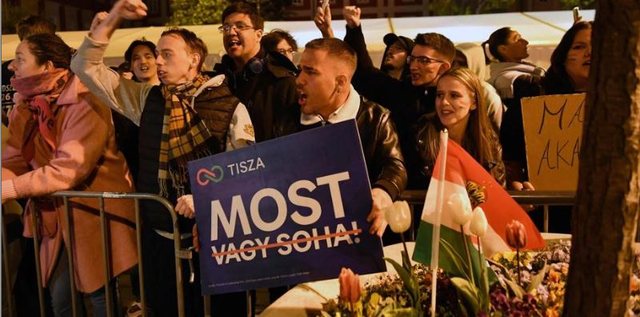
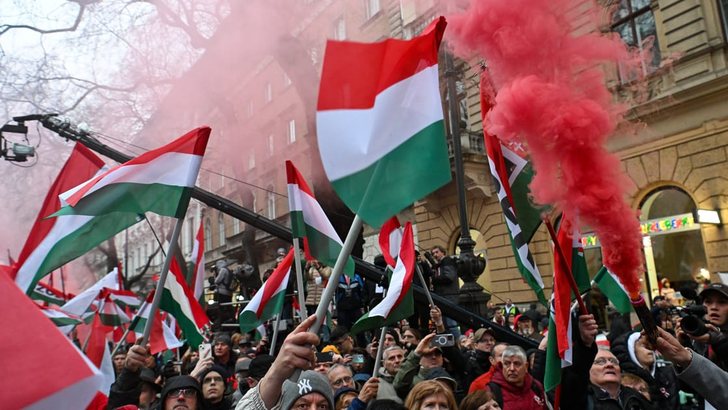
Hungary has chosen Europe. This was the main message of the President of the European Commission, Ursula von der Leyen, following the results of the elections in Hungary, where Prime Minister Viktor Orbán suffered a defeat.
In a public reaction, Von der Leyen emphasized that Europe has always been on Hungary's side and that the citizens' decision marks a return of the country to its European path.
According to her, this choice reinforces not only Hungary's orientation towards the European Union, but also the Union itself.
"Europe has always chosen Hungary. Together, we are stronger," she said, underlining the importance of unity and cooperation among member states.
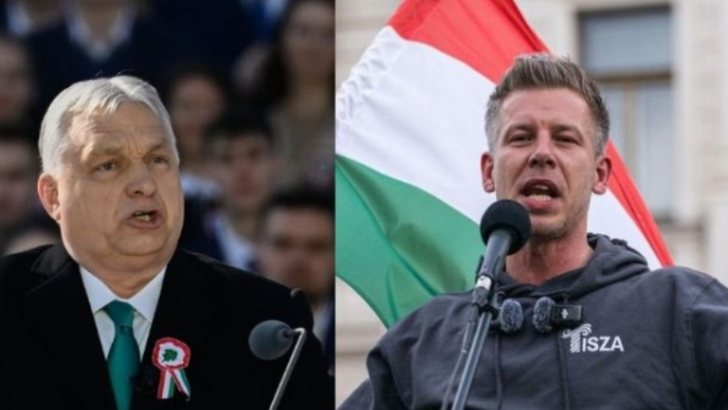
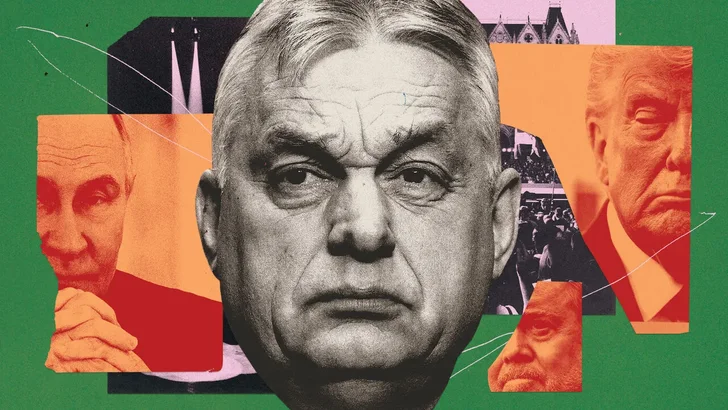
After 16 years in power, Hungarian Prime Minister Viktor Orbán has officially conceded defeat in Sunday's parliamentary elections, marking a historic upset in European politics, toppling the central figure of the right-wing nationalist movement and a key ally of Donald Trump and Vladimir Putin.
Accepting the result and moving into opposition
In a speech to supporters at the Fidesz party headquarters in Budapest, Orbán called the result "painful" but stressed that the will of the voters was clear.
"I congratulated the victorious party. We will serve the Hungarian nation and our homeland even from the opposition," he declared, confirming that he had already communicated with his rival, Péter Magyar, to congratulate him on his victory.
The triumph of Péter Magyar and the “Tisza” party
According to preliminary official results, the opposition Tisza party, led by Péter Magyar, has achieved complete dominance over the ruling forces. With around 60% of the votes counted by late evening, the opposition is leading in 95 of the country's 106 electoral districts.
Current projections suggest that Magyar is on track to secure the “magic number” of 133 seats (out of a total of 199) in parliament. This two-thirds “supermajority” would give the Tisza party the constitutional power to undo the legal changes of the last decade and revise the 2011 “Fundamental Law,” which has been criticized by the international community for restricting media freedoms and controlling the judiciary.
Geopolitical implications
The ouster of Orbán, the European Union's longest-serving leader, is seen as a turning point for the bloc. From a frequent antagonist of Brussels and a blocker of aid to Ukraine, Hungary is expected to change its diplomatic course under Magyar, who has portrayed the vote as a "referendum on Hungary's place in Europe's democratic societies."
For Viktor Orbán, who began his career as an anti-Soviet liberal but became a Moscow-friendly nationalist leader, the defeat forces a complete rebuilding of the Fidesz party from within the opposition. “The days ahead are for us to heal our wounds,” he said at the end of his speech.