"The fate of the homeland is in our hands" - An appeal by Ismail...
/ 2026-10-18 16:09:54Focus


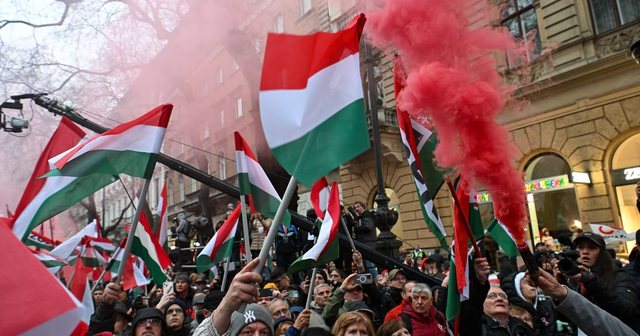
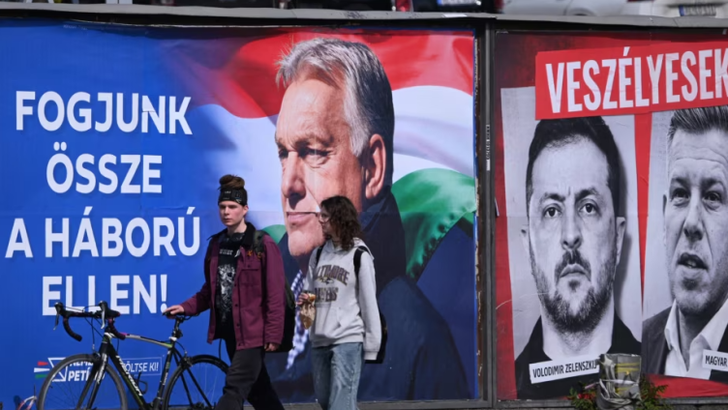
Hungary is voting in a tense and uncertain climate, with polls and citizen mobilization suggesting a potentially historic turnaround. However, analysts are urging caution, warning that the outcome remains open and surrounded by many uncertainties.
According to pollster Endre Hann from Median, known for his accurate predictions in previous elections, the opposition has gained ground. But the challenges are numerous, including the risk of the election result being contested by current Prime Minister Viktor Orbán.
Director and writer Andras Vagvolguy considers this vote to be the most important since 1990, when Hungary held its first elections after the fall of communism. He presents four possible scenarios for the outcome:
Orbán's super victory
In the least likely scenario, Orbán secures another two-thirds majority. This would further strengthen his illiberal course and bring the country closer to authoritarian models like Belarus. Political scientist András Bíró-Nagy warns of increasing pressure on the opposition and critics.
Such a development also worries the independent media.
The online newspaper Telex, created after the closure of Index, fears for its survival. Director Tamás Német warns that a landslide victory for the Fidesz party could lead to the bankruptcy of independent media through new laws.
Simple majority victory for Orbán
In this case, Orbán would remain in power, but with a stronger opposition in parliament. He could seek alliances with other right-wing parties, including those that support leaving the European Union. According to sociologist Tibor Dessewffy, Orbán uses the EU more as a source of economic gain than as a political project to be fully pursued.

Opposition victory without super majority
If the opposition, represented by the Tisza party, wins a simple majority, there will be a change of government, but not of the system. Key institutions would remain under the influence of Fidesz, limiting the reformist power of the new government. The reforms demanded by Brussels for the rule of law would remain difficult to implement without a qualified majority.
Super majority for the opposition
In the most drastic scenario, a landslide victory for the opposition would allow for radical change. The new government would be able to challenge the existing power structures and launch investigations into the network close to Orbán, which according to various investigations has benefited from public and EU funds.