"Condemned" protesters?! Who trapped Rama inside the Prime Minis...
/ 2026-10-23 16:02:00Focus


The socialist leader of East Germany, Erich Honecker, predicted in January 1989 that the Berlin Wall would stand for "50 and even 100 years".
The physical wall came down just 10 months after his words, but his predictions somehow turned out to be right. Germany still seems to be divided by an invisible barrier, separating East from West.
And this division became evident again with the European elections, which marked a disaster for Olaf Scholz's government and the victory on one side of the populist CDU, and on the other side of the far-right Alternative for Germany (Alternative fur Deutschland – Afd ).
On both sides in a practically literal sense, as in the polls the former conquered the West and the latter spread to the East, 'conquering' the 5 eastern Länder with an excellent 29.2%. At the federal level they stopped at 15.9%, still more than Chancellor Scholz's SPD.
The AfD was born in 2013 as a Eurosceptic and right-wing party, but initially relatively moderate. A year after its formation, the AfD managed to enter the European Parliament and was welcomed into the conservative group ECR, which is now led by the FdI and Giorgia Meloni, but which at the time was the realm of the British Tories.
Over time the party has moved towards increasingly radical positions, fueling anti-immigrant and anti-Islamic rhetoric, and being accused of contributing to the rise of racist and anti-Semitic violence in the country.
The AfD has become so radical that from the ECR it first moved to the banks of Identity and Democracy, with the League and the National Assembly party of Marine Le Pen, and then was expelled from this group as well.
But consensus in Germany has instead grown, especially as the party combined battles against uncontrolled immigration with criticism of military support for Ukraine.
And it was especially in the East that the AfD, now led by Alice Weidel and Tino Chrupalla, found fertile ground for its propaganda.
"The election result was a disaster for the government coalition and can be understood as a protest vote against the executive. His performance is considered poor by a large part of the population, but migration and internal security were key issues for many AfD voters. The government's welcoming migration policy is seen increasingly negatively, especially after the recent attack on a German police officer by an Afghan immigrant, support for the far-right AfD is largely a result of this resentment," explains Johannes Greubel, Senior Policy Analyst at European Policy Center (Epc), a think tank in Brussels.
Prandaj, suksesi i AfD-së nuk do të ishte (vetëm) për shkak të një zhvendosjeje në të djathtë të shoqërisë në tërësi, dhe kjo do të demonstrohej nga fakti se “qendra ka qëndruar, CDU (partia e drejtuar dikur nga Angela Merkel) ka shkuar shumë mirë, duke e kaluar 30%”.

Lindja e vendit ka qenë gjithmonë zemra e lëvizjeve antiestablishment. Gjermanët lindorë, me nofkën Ossis, janë vetëm 16.7% e 82.8 milionë banorëve të vendit dhe nga njëra anë ndihen të diskriminuar nga ata nga Perëndimi, Wessis, dhe nga ana tjetër të lënë pas dore nga qeveria e Berlinit.
“Në Lindje ka ndjenjën e të qenit në një rajon të lënë pas. Edhe nëse në ato rajone investohen shumë para në infrastrukturë për shembull, mund të thuash se stacionet e trenit janë shumë më të bukura. Por ende ekziston kjo ndjenjë e prapambetje, njerëzit ndihen pak të braktisur”, thotë David-Wilp.
Dhe kështu me kalimin e kohës është krijuar një lloj antagonizmi midis Ossis dhe Wessis, pak si midis veriut dhe jugut të Italisë, me Ossis që konsiderohet si një devijim nga norma gjermane.
Dhe në këtë situatë ndjenja e tyre e përkatësisë është forcuar dhe sipas një sondazhi të vitit të kaluar, 40% e njerëzve nga Lindja e identifikojnë veten si “gjermanolindorë”, jo si gjermanë në gjykatë.
Por nëse dallimet në karakter mund të jenë imagjinare, ato ekonomike duken të jenë reale: sipas të dhënave të vitit 2021, gjermano-lindorët kanë ende 11% më pak të ardhura të disponueshme sesa bashkatdhetarët e tyre perëndimorë dhe trashëgojnë vetëm gjysmën e pasurisë.
Prandaj, nuk është rastësi që lindja është historikisht një bastion i së majtës radikale Die Linke, partia e cila në një farë mënyre është trashëgimtare e Partisë Socialiste të Unitetit të Gjermanisë, e formuar në kohën e komunizmit.
Por tani me Die Linke që ka rënë në 2.7%, mbështetja për listën e re të krahut të majtë: Aleanca Sahra Wagenknecht (Bündnis Sahra Wagenknecht – Bsw) ka shpërthyer, veçanërisht në Lindje.
Ky i fundit, i lindur nga një ndarje nga Die Linke, rezultoi i suksesshëm duke ndërthurur temat klasike ekonomike të së majtës me kritikat për emigracionin e pakontrolluar, duke arritur kështu të mbledhë 6.2% të votave në nivel kombëtar, pavarësisht se ishte themeluar vetëm gjashtë muaj më parë.
Lëvizja, e udhëhequr nga liderja karizmatike Sahra Wagenknecht, nga e cila ka marrë emrin aleanca, arriti 13.8% të votave në Landin lindor, duke u bërë partia e tretë pas CDU dhe AfD.
“BSW është rritur ndjeshëm edhe falë pozicioneve të saj pro-ruse dhe anti-emigracionit. Por mbështetja e saj ka arsye të ndryshme, kryesisht të lidhura me krizën e partisë Die Linke, e cila tradicionalisht është më e fortë në pjesën lindore të Gjermanisë, gjë që shpjegon pse BSW është gjithashtu i fortë atje”, thotë Greubel.
Both AfD and BSW are united in their criticism of support for Ukraine, which they believe is wrong geopolitically as well as economically, with energy prices much lower when gas arrived easily from Moscow via pipelines.
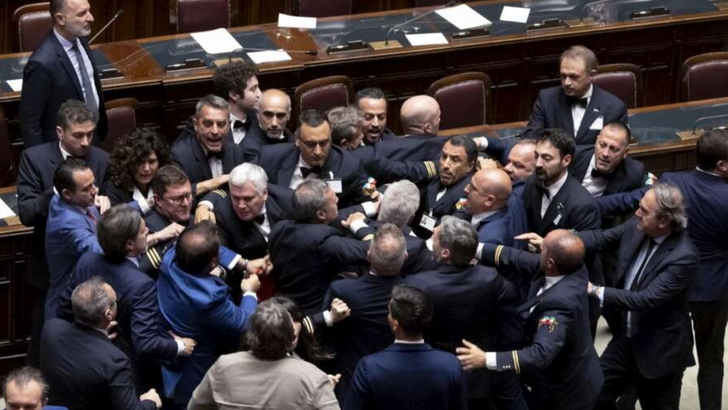
MPs from both parties defected to the Bundestag during Volodymyr Zelensky's speech this week (11 June). "In East Germany, the narrative that Russia was forced into the war by NATO moves has gained more traction and this has played a role" in increasing consensus on both sides, "as has the fact that there is a greater flow of immigrants in this part of the country", believes David-Wilp.
And the AfD's rise would also be due to greater support from young people, with young people between the ages of 16 and 24 awarding far-right candidates 16% of the vote, an increase compared to the last election of 11 %.
At the same time, the Greens were severely punished, going from 23% of young people five years ago to 11%.
The presence in the "traffic light" government (socialists, liberals and greens) led by Scholz and the decisions taken by the latter have led to a hemorrhaging of consensus for environmentalists, who are no longer seen as a radical force for change, but now subject to creation.
According to EPC analyst Greubel, "the election result shows that there is a very polarized youth in Germany. On the one hand, many young voters supported pro-European and environmentalist parties, or small formations like Volt, on the other.
Many young voters also supported the AfD, unhappy with the current government, and the latter's social media campaigns played a central role in this success.
And being in opposition has helped the AfD both in the East and among the youth. However, both Greubel and David-Wilp agree that the AfD lacks a real government proposal and that its consensus is based on typical opposition propaganda.
"AfD does not provide convincing answers to the country's problems. The vote against them is mainly a protest vote, and post-election polls have shown that for a large part of those who voted for the extreme right, the party was not chosen for its political proposals" , says Greubel convinced.