Is this police force professional and capable of handling violen...
/ 2026-10-16 18:54:07Focus


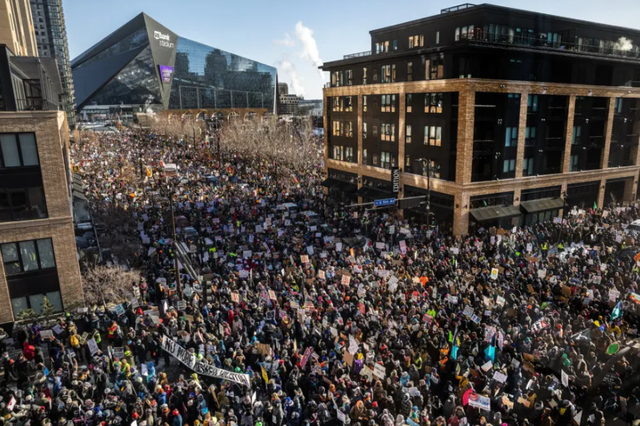
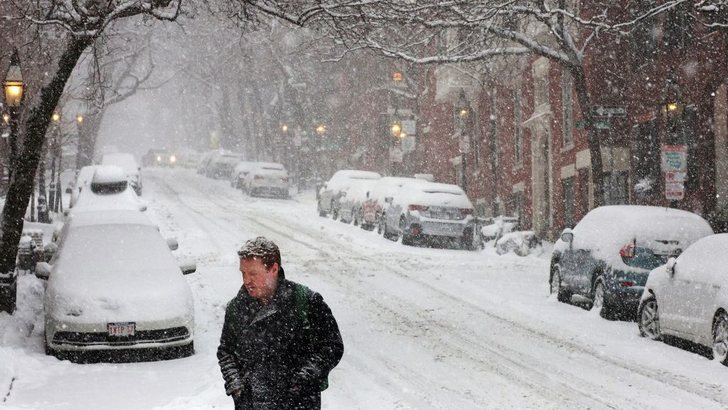
Thousands of protesters 'occupied' the streets of Minneapolis–St. Paul on Friday, as hundreds of businesses closed their doors and workers and students stayed home, in protest against the immigration crackdown that has rocked the area for weeks.
The action, held in sub-zero temperatures, was the largest and most organized protest since federal agents arrived in Minneapolis more than six weeks ago. Its goal was to pressure the federal government to pull thousands of agents off the city's streets. Many businesses, mostly local, decided to shut down for the day, saying the financial loss was worth it to support efforts to stop the immigration operation.
"There are times when you have to get up and this is one of them," said Alison Kirwin, owner of the popular Al's Breakfast restaurant, which closed Friday. "Even if we lose a day of revenue, it's worth it."
The protest followed weeks of clashes between Minnesotans and federal agents, mostly in Minneapolis and St. Paul. The immigration operation, launched late last year, has led to about 3,000 arrests, two shootings in Minneapolis and chaotic scenes on the streets.
Public anger grew sharply after the killing of Renee Good, a U.S. citizen, who was shot and killed by an ICE agent on January 7. Protesters and state officials have filed lawsuits to limit the actions of federal agents and stop their reinforcement in the city.
Friday's largest protest took place in downtown Minneapolis, where thousands marched toward Target Center, holding signs and chanting for ICE to leave the city. Many of the participants cited Good's killing, aggressive tactics against protesters and viral footage of a five-year-old child being detained with his father as reasons for taking to the streets.
“I was moved,” said Butchy Austin, founder of the Brass Solidarity music group. “This is resistance, but a resistance that springs from love for our neighbors.”
At Minneapolis–St. Paul airport, hundreds of protesters gathered throughout the day, some from other states. They moved in and out of the terminals to warm up, handing out hot chocolate and gloves as police warned them to stay off the roads. In a symbolic moment, a group of clergy knelt on the tarmac and began praying, chanting, as police arrested dozens of them.
The general strike was organized by residents, religious leaders and unions to show community resolve. In many neighborhoods, stores remained empty, with solidarity banners in their windows. Some businesses that remained open offered free products as an alternative way to support the protest.
Federal officials have said their presence is necessary to identify undocumented immigrants and combat welfare fraud. However, criticism from the community, unions and local authorities continues to grow.
For some workers, participating in the strike was impossible for economic reasons. “I have to pay rent, tuition and food,” said one worker who was at work that day. “It’s not that I’m against the protest, I just have no other choice.”
Despite the dilemmas and difficulties, Friday's protest was seen by organizers as a powerful message to the federal government: the Minneapolis community is organized and determined to oppose what it sees as injustice.