Is this police force professional and capable of handling violen...
/ 2026-10-16 18:54:07Focus


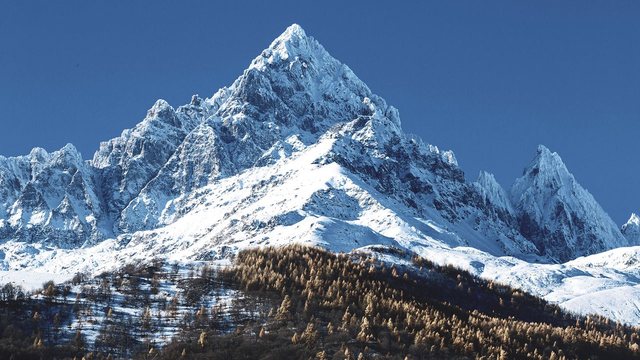
As the weather worsened, rescue teams in the Piedmont region of northern Italy were trying to solve a difficult puzzle.
66-year-old Italian climber and orthopedic surgeon, Nicola Ivaldo, failed to show up for work on Monday morning and the alarm was immediately raised.
Ivaldo had set off alone on a Sunday morning in September 2024, without informing friends or relatives of his destination. The only clue rescuers had was his car, which was found in the village of Castello di Pontechianale, in the Varaita Valley.
A wide search area
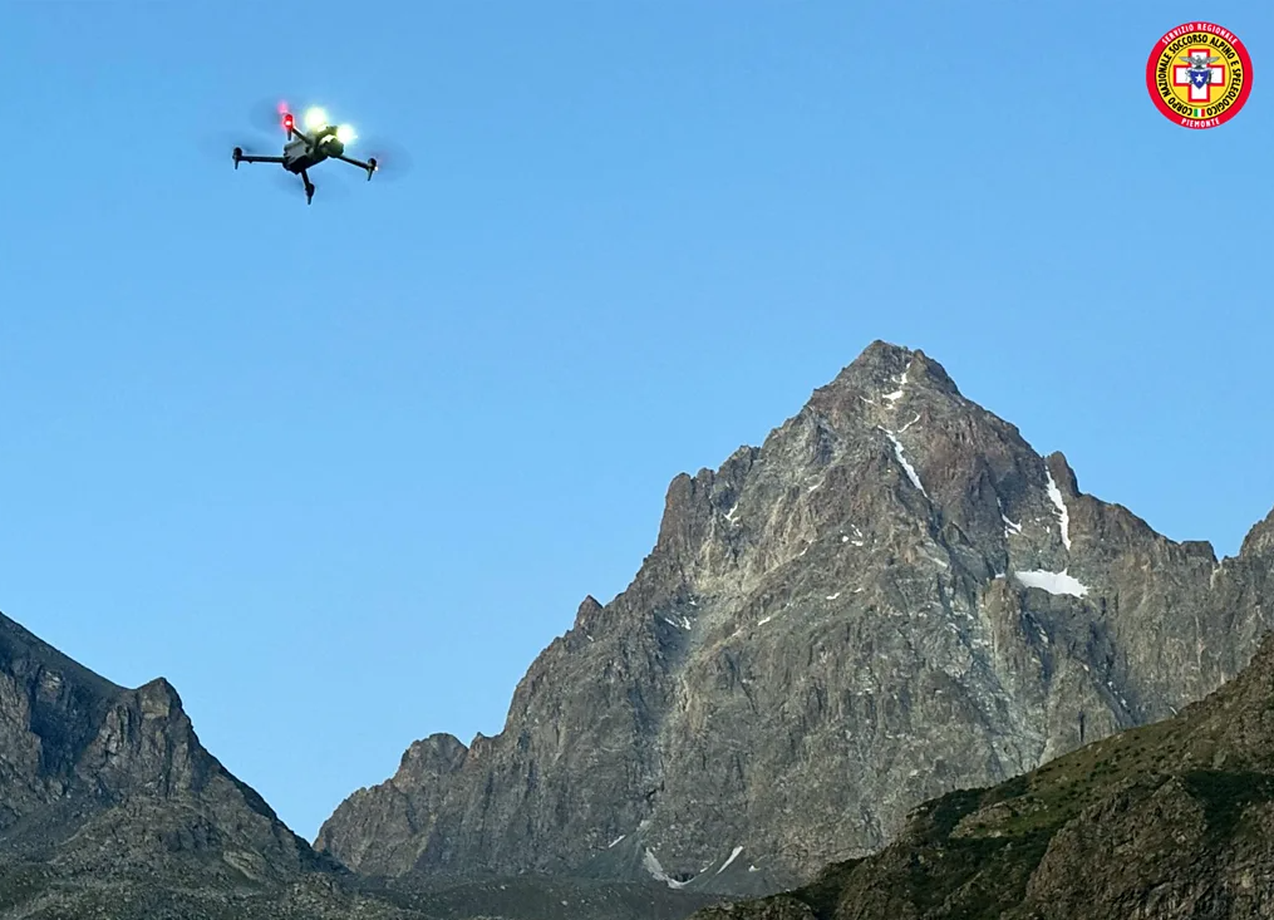
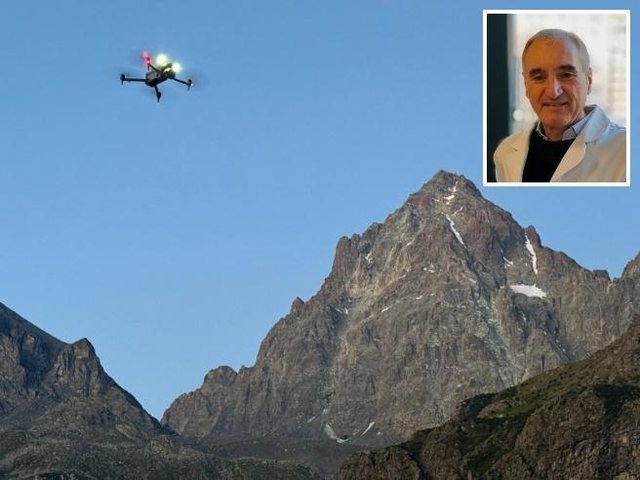
Based on his last cellphone signal, rescuers assessed that the experienced climber was likely headed for one of the two most iconic peaks in the Cottian Alps: the 3,841-meter-high Monviso, or the neighboring Visoloto.
However, both have dozens of routes, from different directions, in a landscape full of streams, rock faces, and hundreds of kilometers of trails.
On the day of the disappearance, good weather had attracted crowds of climbers to the popular passes. However, no one reported seeing him, leading to the conclusion that Ivaldo had moved to more isolated and difficult routes.
More than 50 rescuers searched the area on foot for nearly a week, while helicopters flew overhead.
With the arrival of the first snow at the end of September, hopes of finding him alive faded and the operation was suspended.
In July 2025, after the snow on the steep streams melted, the search began again – this time with a new weapon: artificial intelligence.
Drones and algorithms in the service of rescue
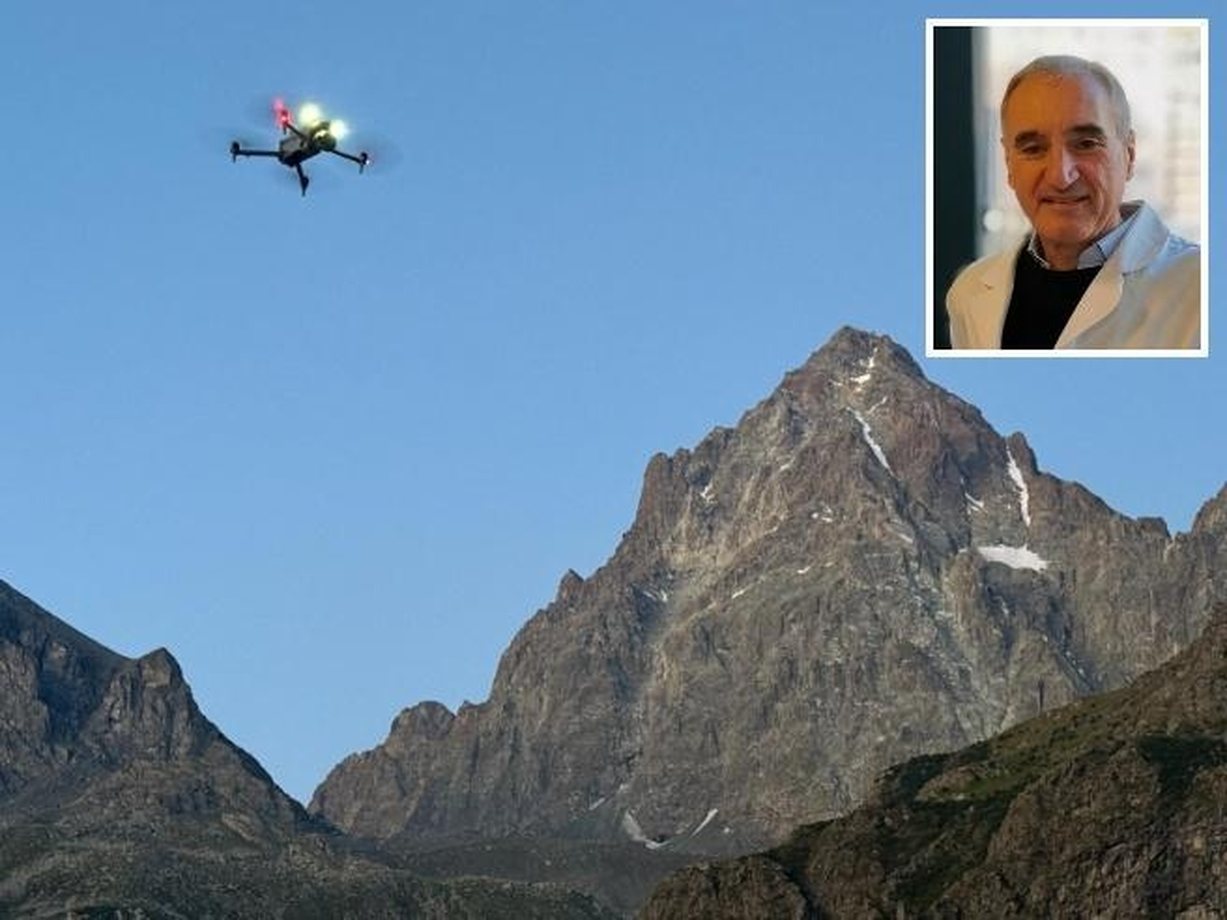
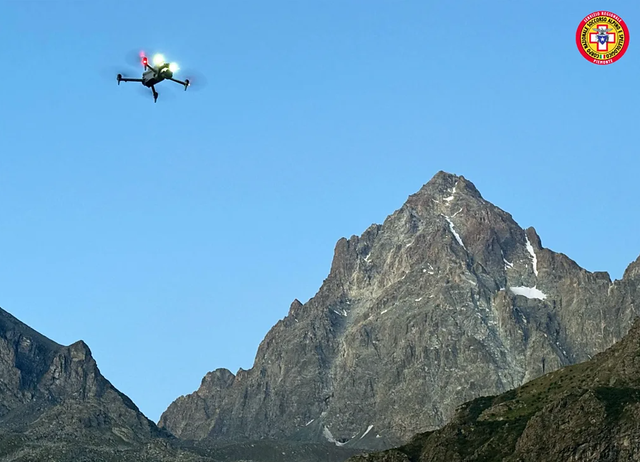
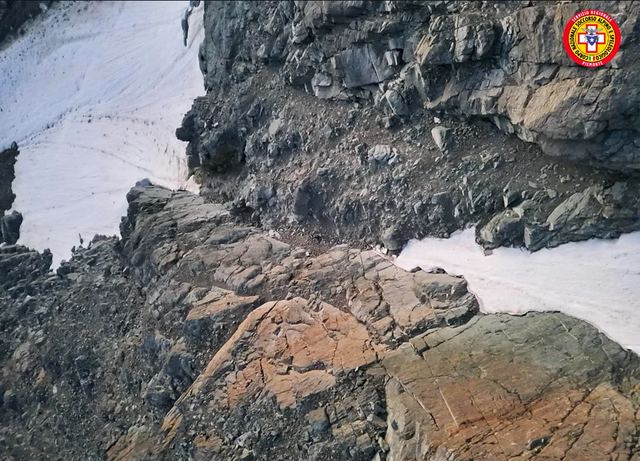
The Piedmont Mountain and Cave Rescue Service used artificial intelligence software capable of analyzing thousands of high-resolution photos taken by drones. In just five hours, two drones covered 183 hectares of difficult terrain and recorded over 2,600 images.
The algorithm analyzed each image pixel by pixel, looking for colors or shapes that “flee” from the natural environment. Although it identified dozens of potential points of interest, the final assessment was made by humans, considering the logical path that an experienced hiker would follow.
Red dot in the white landscape
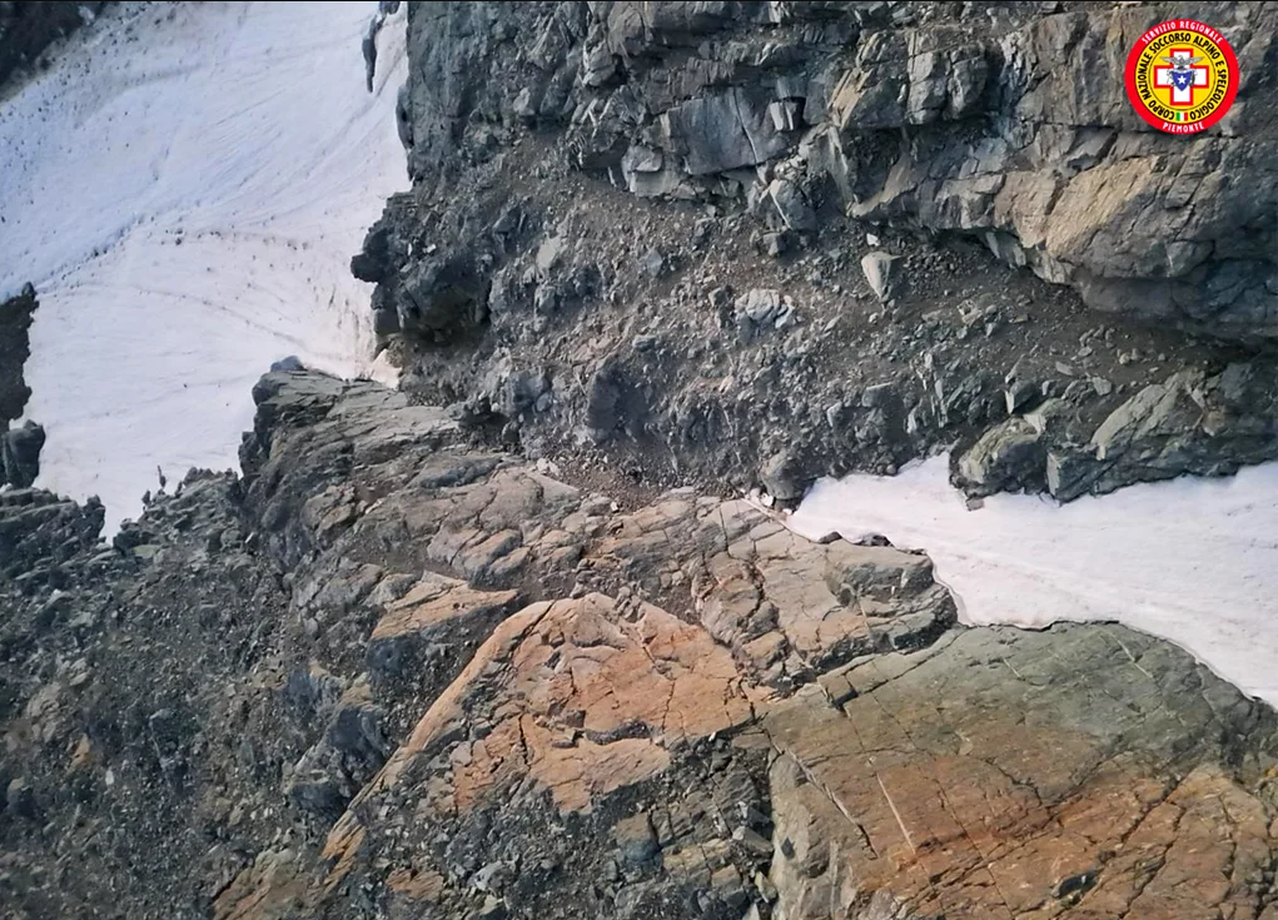
Among the possible locations, a small red object stood out. When the drones approached again the next day, it turned out to be Ivaldo's skull. His body was found in a stream on the north side of Monviso, at an altitude of about 3,150 meters, and was retrieved by helicopter.
According to rescue service spokesman Simone Bobbio, the software was able to detect the red color of the skull, even though it was in the shade and partially covered by snow. Without this information, the body may never have been found.
Similar technology has been used in the past in rescue operations in Poland, Austria and Scotland.
However, experts point out that these systems have limitations: drones have difficulty in wooded areas or in low visibility, while the algorithms can yield false positives.
Continuous training of machine learning systems is considered essential to improve their accuracy, while ethical and legal issues also arise regarding the use of aerial imagery and human recognition.
The future of search and rescue
Research teams in Italy and the United Kingdom are already working on new applications, from algorithms that predict the behavior of a missing person to systems that will analyze real-time images directly on drones.
For emergency services, which often face challenges in time, weather and limited resources, artificial intelligence is not a replacement for humans. But it can be essential. And in some cases, it can save lives. /BBC