Is this police force professional and capable of handling violen...
/ 2026-10-16 18:54:07Focus


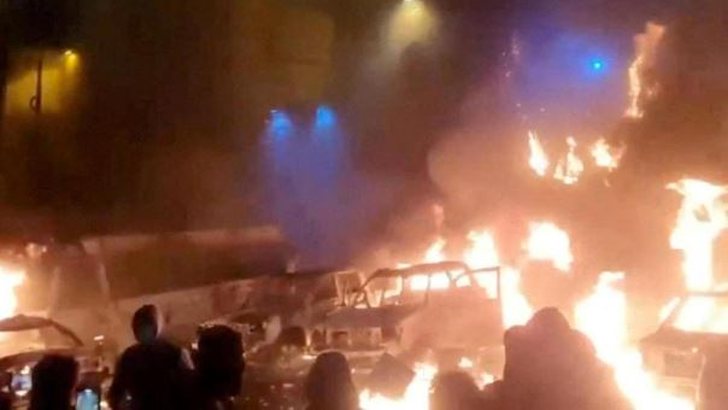
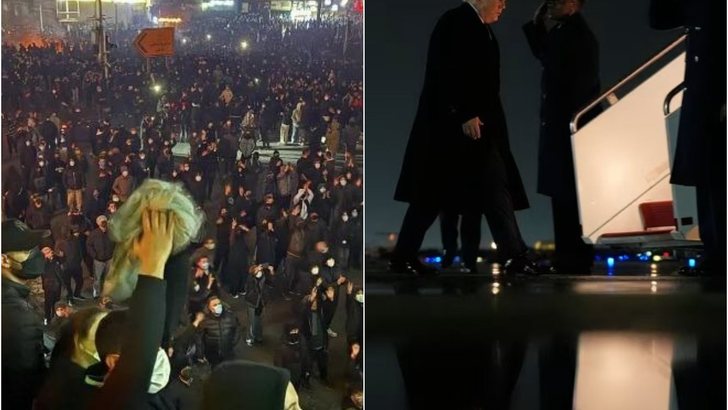
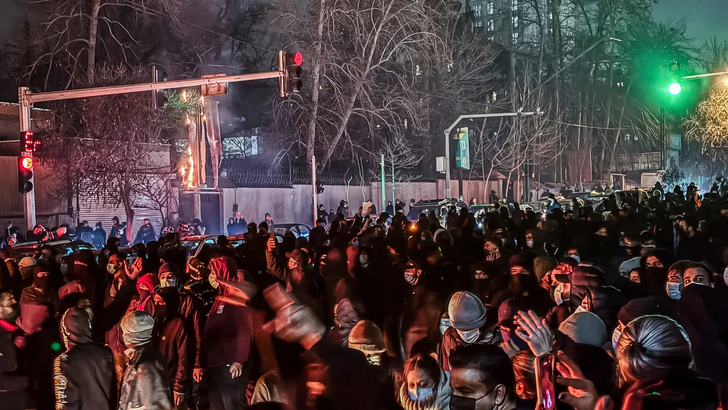
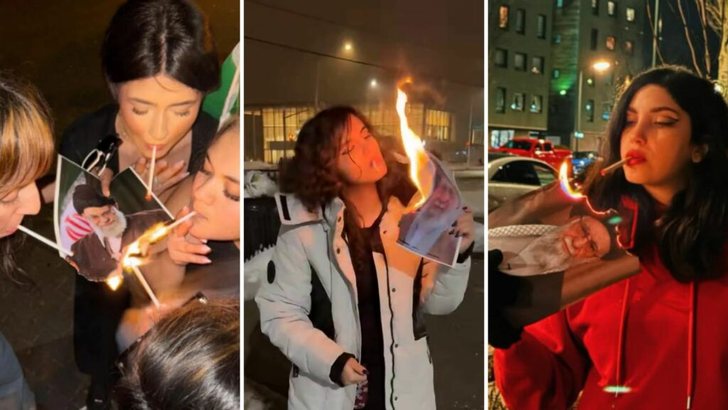
International concern about the situation in Iran is growing, as it has become clear in recent days that the theocratic regime is determined to go to the extreme to suppress the anti-government protests sweeping the country.
According to the Human Rights Activists News Agency, more than 544 people have been killed over the past 15 days, including eight children, as clashes between protesters and security forces continue every night with high intensity.

Despite statements by Iranian Foreign Minister Abbas Araghchi that "the situation is under full control" after the weekend's violent episodes, it appears that protesters are determined to continue their resistance and the possibility of facing even harsher repressive measures cannot be ruled out.
According to CNN, several Iranian MPs have asked the Information Minister to resume patrols by the Basij paramilitary force to restore order in the capital and other cities.
But who are the Basij and why are they controversial?
The term "Basij" in Persian means "mobilization" and refers to a volunteer paramilitary organization that serves as support for the Islamic Revolutionary Guard Corps (IRGC), a powerful branch of the Iranian military designated to protect the political system.
The Basij was founded shortly after the 1979 Islamic Revolution by Ayatollah Ruhollah Khomeini, who declared that Iran could never be destroyed without a militia of 20 million members.
This national militia recruits members from rural and urban areas, organizing mainly around mosques in Tehran and major cities. Most of the participants are young people from the poorest and most conservative sections of society.
With a presence in almost every city and village in Iran, the Basij acts as an auxiliary force of state control, also performing duties as " morality police " at checkpoints and public spaces, and being involved in suppressing anti-government protests.
During the Iran–Iraq War, hundreds of thousands of people voluntarily enlisted in the Basij, including children as young as 12 and older, after a successful recruitment campaign in schools and massive media propaganda. Historians say the IRGC used Basij members for “human wave” attacks, such as clearing minefields or drawing enemy fire.
Their role was significantly strengthened after 2003, when they were reorganized and strengthened due to fears of a possible Western or American invasion. Since then, the Basij has regularly appeared in the early stages of uprisings and social unrest.
In 2009, they participated in crowd control during protests against the results of the presidential election, while in 2022 they were part of the suppression of protests following the death of 22-year-old Mahsa Amini while in custody by the "morality police."
According to CNN, the Basij are among the security forces deployed in many cities to deal with the current wave of protests, considered by some to be the strongest in recent years.
State media also reported casualties among security forces, including members of the militia. There are indications that the Basij is also involved in monitoring online activity during the protests. In a post on Telegram on January 10, the Basij News Agency, the militia’s official channel, announced that websites and social media accounts had been blocked and that “arrests of bloggers supporting the unrest are continuing.”
The Basij militia and some of its commanders are occasionally subject to sanctions by the US government for human rights violations, violent suppression of student protests, and the use of child fighters.