Is this police force professional and capable of handling violen...
/ 2026-10-16 18:54:07Focus


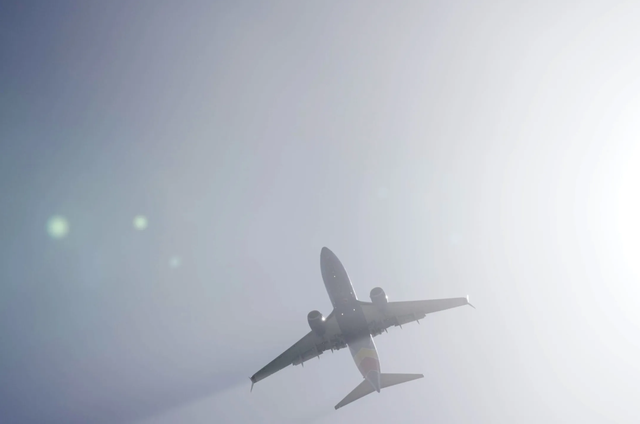
Airlines around the world have significantly reduced capacity during May, removing around 2 million seats and canceling around 12,000 flights, reports the Financial Times.
The main cause is the aviation fuel crisis, which has worsened following the conflict in the Middle East, forcing operators to cut costs and adapt operations.
In many cases, airlines have switched to using smaller or more economical aircraft to save fuel, while ticket prices have increased due to doubling fuel costs.
According to data from analytics company Circum, the number of available seats fell from 132 million to 130 million at the end of April, reflecting the contraction in global supply.
Among the companies most affected are Turkish Airlines, Air China and Lufthansa, which have reduced hundreds of thousands of seats. Lufthansa also leads the way in cancellations, with around 4,000 flights canceled in May alone and up to 20,000 flights shortened for the period May-October.
Problems have also emerged on specific intercontinental routes. Air France has announced that it has been asked to limit flights to destinations such as Singapore and Tokyo, in order to reduce fuel consumption.
The most affected region remains Asia, due to its high dependence on fuel supplies through the Strait of Hormuz, which continues to be under tension and with limited passage.
In Japan, Japan Air warns that profits could fall by about 20 percent due to rising fuel costs.