Is this police force professional and capable of handling violen...
/ 2026-10-16 18:54:07Focus


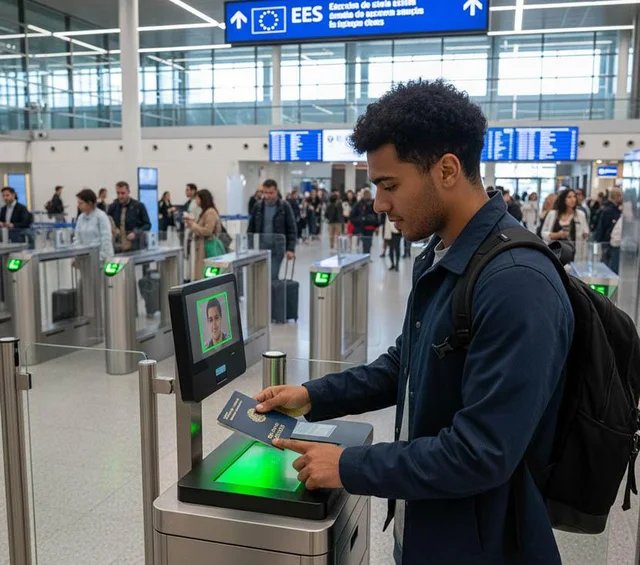
The European Commission has intervened to address the problems that emerged during the implementation of the Entry-Exit System (EES) at the borders of the Schengen area, also engaging the European border agency Frontex.
The decision comes after European Commission President Ursula von der Leyen acknowledged that some difficulties had been encountered during the implementation of the new system. The EES aims to register and exchange biometric data of citizens from countries outside the European Union entering and leaving the Schengen area.
The European Commissioner for Home Affairs, Magnus Brunner, has sent a letter to airport operators, while the European Commission will hold technical meetings with representatives of the sector to analyze the problems and find solutions.
"We are carefully examining the practical functioning of the new system and are doing everything possible to limit its impact on travellers from non-EU countries," a Commission spokesperson said.
He added that Brunner has increased communication with ministers of member states to determine the type of support needed for the most efficient functioning of the system.
Meanwhile, Frontex is expected to deploy additional staff to the busiest airports and contribute to the implementation of the new pre-registration application, which will be used by member states.
The EES system is part of the European Union's efforts to modernize border controls and increase security, but its implementation has caused concerns about delays and technical problems at border crossing points.