How Belinda Balluku is fabricating the rumor about Top Channel's...
/ 2026-10-19 16:19:00Focus


The European Union has fined Platform X, formerly known as Twitter, 120 million euros for violating the European Digital Services Act (DSA).
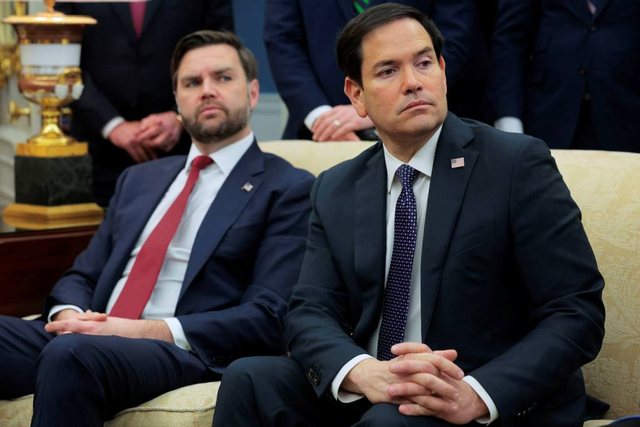
The White House's response was harsh. US Secretary of State Marco Rubio called it "an attack on all American technology platforms and on the American people by foreign governments."
An attack on the move also came from US Vice President JD Vance. "There are rumors," he wrote in a tweet on X, "that the European Commission will fine X hundreds of millions of dollars for failing to enforce censorship. The EU should support free speech instead of attacking US companies for worthless things." A message retweeted on X by Elon Musk himself, accompanied by the comment: "Much appreciated."
But this is just the tip of the iceberg in a clash that is already seen as existential between the US and the EU.
For Elon Musk, the fine is insignificant compared to his wealth, while the political reaction goes beyond the simple legal aspect.
The events took place on a symbolic day, as the US published its strategy that, in practice, aims to divide the EU and minimize the role of NATO. This fact immediately raised the alarm in Brussels. According to unofficial sources, “they want to destroy the Union”, while transatlantic relations are expected to never be the same again, especially under the presidency of Donald Trump.
Even NATO headquarters sees this plan as a direct threat to the Alliance's existence, as Europe faces a hybrid war and Putin's refusal to negotiate a just peace in Ukraine.
The European Commission announced yesterday the 120 million euro fine for X, arguing that the platform has violated the transparency obligations provided for by the DSA law.
The fines target violations that include the deceptive design of the blue “verified” badge, a lack of transparency in ad archives, and the refusal to provide public data to researchers.
According to the Commission, the use of the blue badge for “verified accounts” can mislead users, as any individual can pay to obtain this status. Ad archives also lack transparency and public access, making it difficult to study ways to prevent fraud and false advertising.
The proceedings had been initiated two years ago but were suspended to avoid tensions with Washington. The fine is relatively small compared to Musk's wealth, and under Commission rules it cannot exceed 6% of the company's annual revenue.
X now has three months to respond, while Brussels has two months to respond. European Commission Vice President Henna Virkkunen said that “X is responsible for violating users’ rights and avoiding its responsibility.” Meanwhile, US Vice President JD Vance said that “the EU should protect freedom of speech, not attack US companies for trivial things.”
This event reflects a broader clash between the US and the EU. The US strategic document is seen as an attempt to change transatlantic relations, divide the EU and reduce NATO's influence. This is particularly worrying for European institutions, including the talks on frozen Russian assets and their use.
German Foreign Minister Johann Wadephul stressed that issues of freedom of expression and organization of society cannot be discussed by Washington.
The French president has warned that this could be seen as an American "betrayal" of Ukraine and Europe, jeopardizing political, military and trade relations. Tensions over tariffs could also be part of this American strategy.