Protests, violence, curfews: From France to Albania, why Europe'...
/ 2026-10-20 23:47:20Focus


A deep divide is emerging between the US and its traditional allies over the future of Gaza and the resolution of the Israeli-Palestinian conflict. While France, Britain and Canada have announced plans to recognize the State of Palestine, the Donald Trump administration is not only refusing to join but is also boycotting the diplomatic initiative led by France and Saudi Arabia at the United Nations.
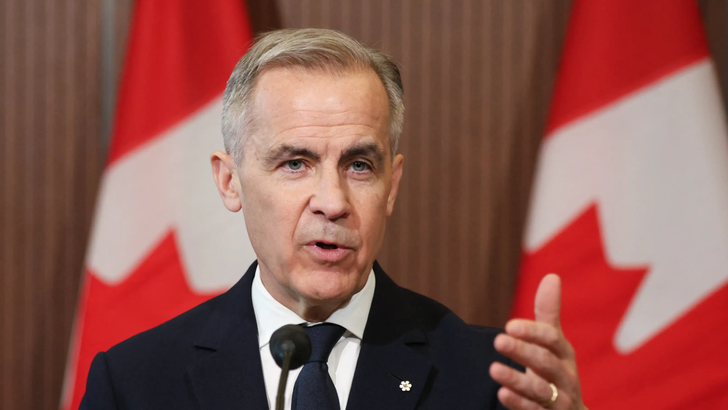
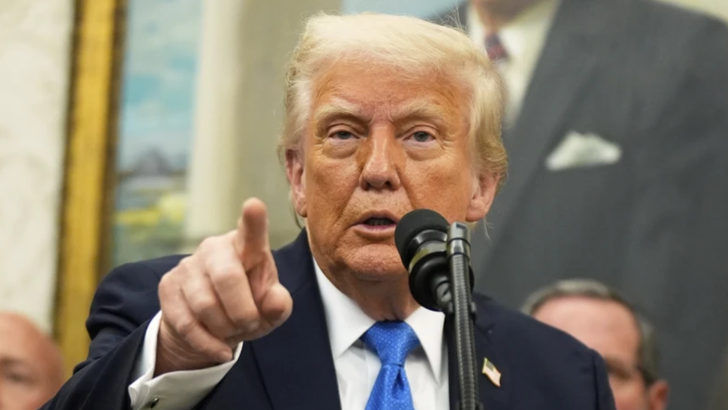
At this week’s conference in New York, held to revive the two-state solution, France and Britain announced that they would recognize Palestine later this year, if certain conditions are met. Canada joined them on Wednesday. But the United States did not attend. State Department spokeswoman Tammy Bruce called the conference a “public spectacle” and said the United States “will not be part of this affront.”
Against this backdrop, the essential question arises: Does the Trump administration have a plan for the future of Gaza?
The answer seems to be no, or at least no clear, consistent vision. US officials have avoided concrete details, while the president himself has moved from radical ideas, such as turning Gaza into a “Middle Eastern riviera,” to a complete lack of realistic proposals. The rumored plan to relocate the Palestinian population has faded amid rejection by Arab countries and international criticism for violating international law.
In the absence of a strategic approach from the United States, Europe and some Arab countries are trying to fill the gap. The New York conference emphasized the need for emergency humanitarian aid, support for the Palestinian Authority, and a new framework for a peace agreement. This marks a significant change from the previous practice, according to which recognition of Palestine would only occur at the end of a negotiation process.
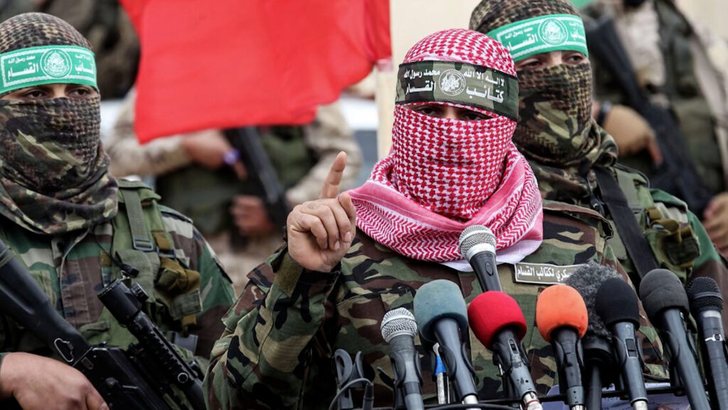
Meanwhile, the situation in Gaza is alarming. The UN and international organizations speak of widespread hunger, malnutrition, and deteriorating sanitary conditions. Israel blames Hamas and the United Nations for the crisis, but European countries clearly see that the delay in aid and the policy of collective punishment are leading Gaza towards disaster.
For many countries, especially in Europe, the scenes of children being shot while seeking humanitarian aid have become a moral turning point. British Foreign Secretary David Lammy said that “the international community is deeply shocked by the horrific images.”
In the absence of American leadership, the September conference will try to push forward a new peace process, hoping that Arab cooperation and international pressure will force Washington to return to the diplomatic path. But for now, the country that once led the Middle East peace effort is remaining silent, risking losing influence and credibility on one of the hottest issues in global politics.