Protests, violence, curfews: From France to Albania, why Europe'...
/ 2026-10-20 23:47:20Focus


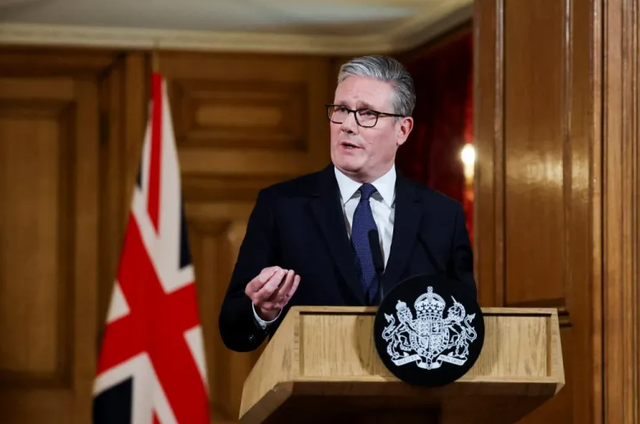
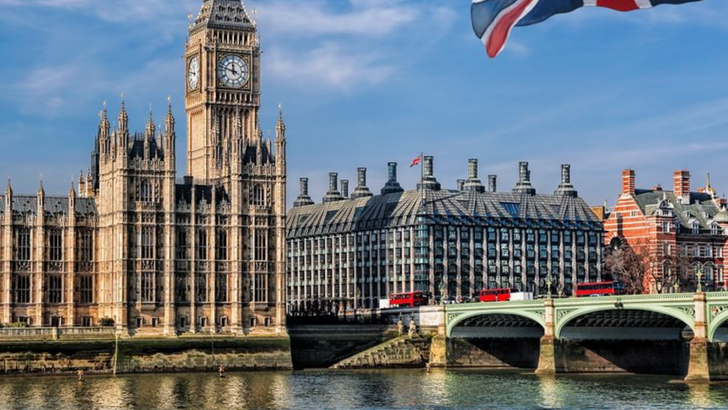
The United Kingdom has expressed its willingness to recognize Palestine as an independent state. A decision that, for the sake of truth, has far-reaching diplomatic and geopolitical consequences.
British Prime Minister Keir Starmer has faced pressure from within and outside his own party. More than 250 MPs from all parties, over a third of the members of the House of Commons, have signed a joint letter urging him to take the step of recognising a Palestinian state.
Starmer initially opposed the idea, insisting that recognition should be part of a broader peace plan. But he has now changed his mind, albeit with some conditions attached.
The decision comes shortly after France, the first G7 country to take such a step, officially recognized Palestine as a state. The Paris move subsequently sparked discussions in other Western countries, including Britain.
But what does recognizing Palestine as a state mean?
According to the 1933 Montevideo Convention, a state to be recognized as a sovereign entity must meet several criteria: Have a permanent population, a defined territory, effective government and international relations, and a formal diplomatic structure (embassies, agreements, ambassadors).
As of March 2025, 147 of the 193 UN member states have recognized Palestine as a state. Among them are Russia, China, and India, as well as several European countries such as Spain, Ireland, Norway, and most recently France.
Why did Starmer make the decision now?
British Prime Minister Starmer said that recognizing Palestine at this time would have the greatest impact, noting that the hope for a two-state solution with a secure Israel and a viable Palestine is at stake. He said it was part of an “eight-point plan” already being discussed with France and Germany. Starmer denied that the decision was the result of pressure from Labour MPs, insisting that it had always been part of his political plan.
British Foreign Secretary David Lammy, during a UN summit on the two-state solution, described the situation in Gaza as "horrific" and called for an urgent ceasefire.
What does the two-state solution entail?
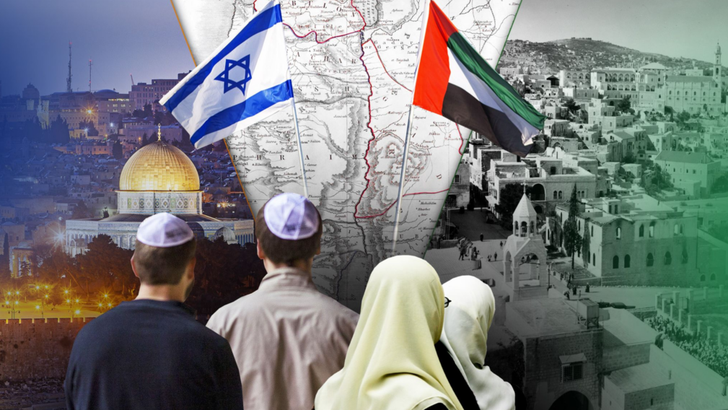
This solution envisages the creation of an independent Palestinian state alongside Israel, giving both peoples separate territory and security. The Palestinians aim to form their own state in the occupied West Bank, annexed East Jerusalem and the Gaza Strip, territories occupied by Israel.
But a major obstacle to implementing this solution remains the demarcation of borders. Since 1967, thousands of Israeli settlements have been built in the West Bank and East Jerusalem, where around 600,000 Israelis now live.
How have Israel and Palestine reacted?
Israel has strongly condemned this change in British policy. The Israeli Foreign Ministry wrote on Platform X: “This move, following France’s decision and under domestic political pressure, constitutes a reward for Hamas and undermines efforts for a ceasefire and the release of hostages.”
Prime Minister Benjamin Netanyahu has called the French decision “a springboard for the destruction of Israel, not for peace.” On the other hand, Palestinian Authority President Mahmoud Abbas thanked President Macron for his “historic” decision.
How are other countries reacting?
Germany remains committed to a two-state solution, but has not yet recognized Palestine as a state. Berlin has stressed the need for a ceasefire in Gaza and urgent humanitarian aid.
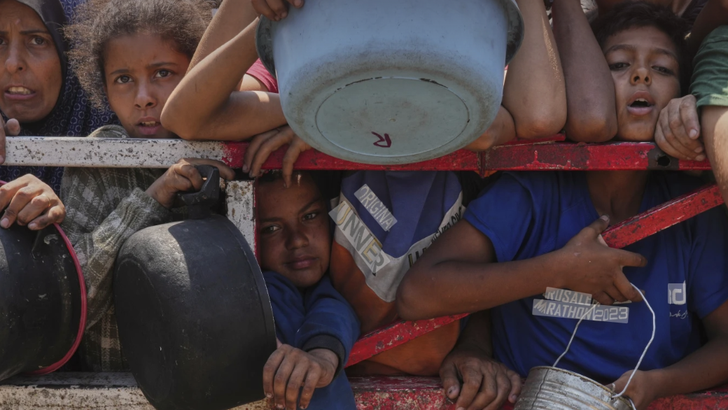
Canada and Australia have expressed support for a peaceful solution but have not taken concrete steps towards recognition. Australian Prime Minister Anthony Albanese has called the situation in Gaza a “humanitarian catastrophe.”
Italy has made any recognition of Palestine conditional on the Palestinians' mutual recognition of Israel. Foreign Minister Antonio Tajani declared: "A Palestinian state that does not recognize Israel does not solve anything."
Meanwhile, Spain, one of the countries that already recognizes Palestine, has welcomed the French decision. Prime Minister Pedro Sánchez said: "Together we must defend what Netanyahu is trying to destroy. The two-state solution is the only solution."
Saudi Arabia has also welcomed the French decision, calling on other countries to follow suit.