Is this police force professional and capable of handling violen...
/ 2026-10-16 18:54:07Focus


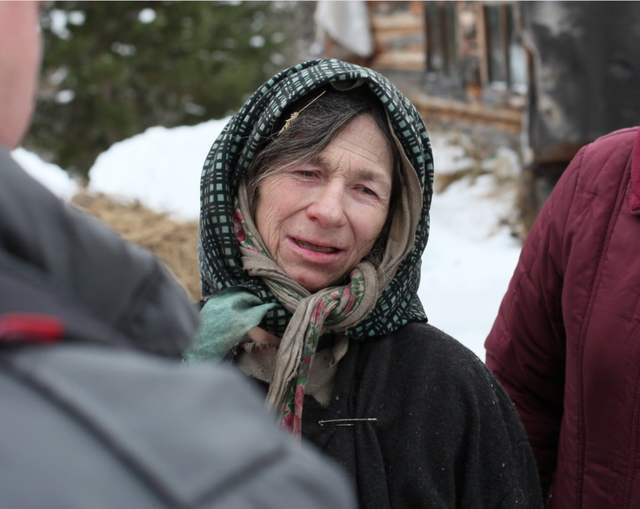
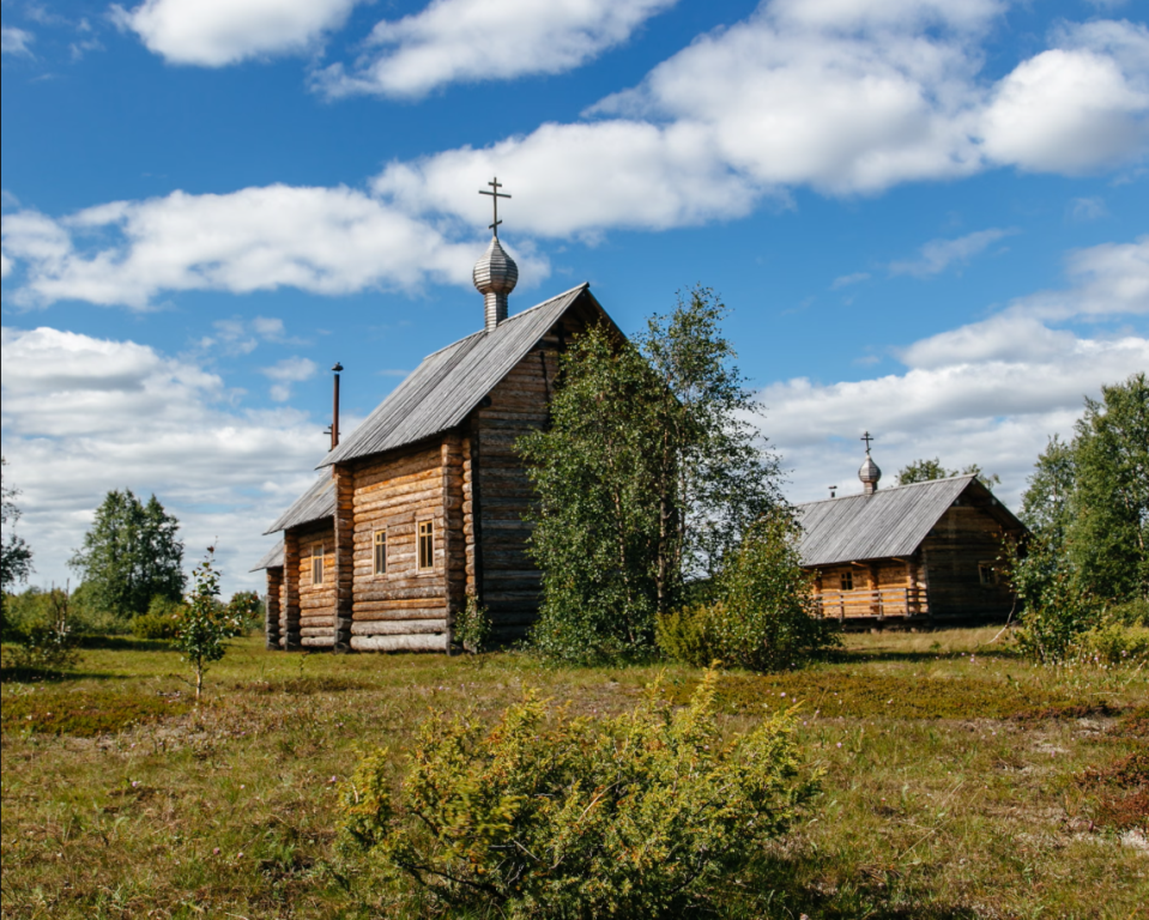
In the summer of 1978, a group of Soviet geologists exploring southern Siberia discovered something rarer than diamonds. While searching for a place to land their helicopter on the steep slopes of the Western Sayan Mountains, the pilot noticed something unusual: a hand-crafted garden, about 240 kilometers from the nearest settlement. As he got closer, he also saw a wooden house. There were no people in sight, but it was clear that someone was taking care of the land, writes The Guardian.
The discovery was shocking. The area had been considered too isolated for human habitation for decades. Ten miles away, the geologists set up camp and decided to head towards this mysterious dwelling. They took with them gifts and a pistol, just in case.
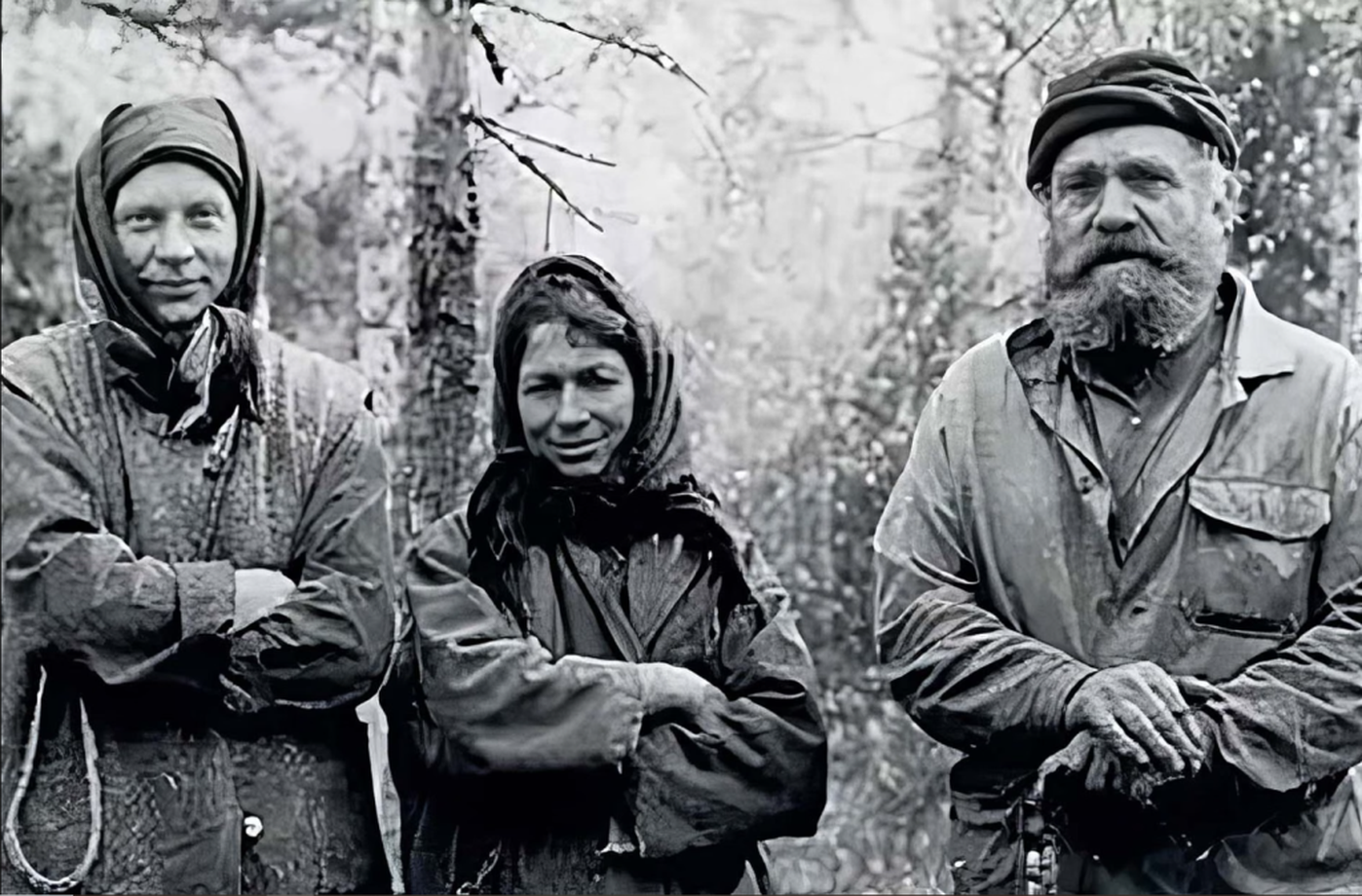
There they were met by an old, ragged man dressed in patched rags. His name was Karp Osipovich Lykov, the head of the family. Inside the dark, cramped hut, the two grown-up daughters, Natalia and Agafia, were crying and praying. The two sons, Savin and Dmitry, lived a few kilometers away, near the river.
It soon became clear that no one in this family had had contact with the outside world for decades. None of the Lykov children had ever seen bread.
When the geologists offered them a loaf of bread and some jam, they refused. “We're not allowed,” they said, a phrase that would be repeated often. The girls' language was difficult to understand: archaic vocabulary and a strange, almost singsong rhythm.
The Lykov family belonged to the Old Believers, a sect that broke away from the Russian Orthodox Church in the 17th century. They formed after Patriarch Nikon's liturgical reforms, which changed essential rituals, including the manner of crucifixion and the spelling of Jesus' name, changes that the Old Believers saw as a betrayal of the true faith.
The persecution against them was brutal: burning alive, imprisonment, torture. Some communities chose collective self-immolation. Others fled to the forests, believing that isolation was the highest form of holiness. In Russia, the biblical desert was replaced by the forest.

The Lykov family initially lived in an isolated village in the Altai region, but in the 1930s, as Soviet power grew, they were forced to retreat deeper and deeper into the taiga. Authorities sought to control religious communities, and their children were considered “saved” from isolation.
In 1934, the Lykovs completely disappeared from civilization. For 44 years, they survived on primitive agriculture, hunting, and gathering wild fruits. In the years of famine, they ate herbs, tree bark, and leather shoes. In 1961, a frost destroyed the harvest. The mother of the family, Akulina, died of hunger. When a single rye stalk sprouted the following year, they called it a divine miracle.
When they were discovered in 1978, the family still cursed Patriarch Nikon and Peter the Great, whom Karp Lykov called “the antichrist in human form.” The world wars, for him, were the result of the sins of the West.
Their life was almost prehistoric: Agafia had never seen a wheel, fire was lit with flint, shoes were made of birch bark, light came only from the sun or torches. Their Bible was blackened by smoke, but the children had learned to read and write in Old Church Slavonic, writing on tree bark.
Contact with the outside world also brought tragedy. In 1981, Dmitry, Savin, and Natalia died. Dmitry from pneumonia; the other two, presumably, from diseases inadvertently brought by visitors. Upholding the “we are not allowed” rule for medical assistance proved fatal.
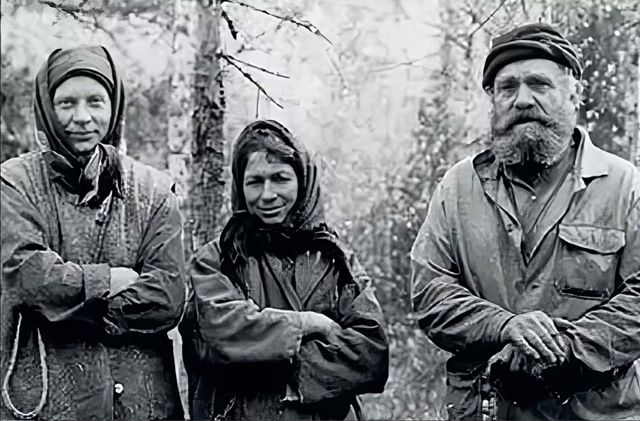
Only Karp and Agafia remained. After her father's death, Agafia chose to stay in the taiga.
The Lykovs' story became known thanks to journalist Vasily Peskov, who from 1982 visited the family regularly and published a famous book about them. For the Russian public, they became a symbol: a time capsule, evidence of a lost Russia, untouched by Stalinism, wars and violent modernization.
Over the years, absolute isolation became impossible. Agafia accepted help, new clothes, tools, even an emergency phone. In 2021, with the support of oligarch Oleg Deripaska, she moved to a new hut. Today, she is helped by a young believing nun and the services of the natural park where she lives.
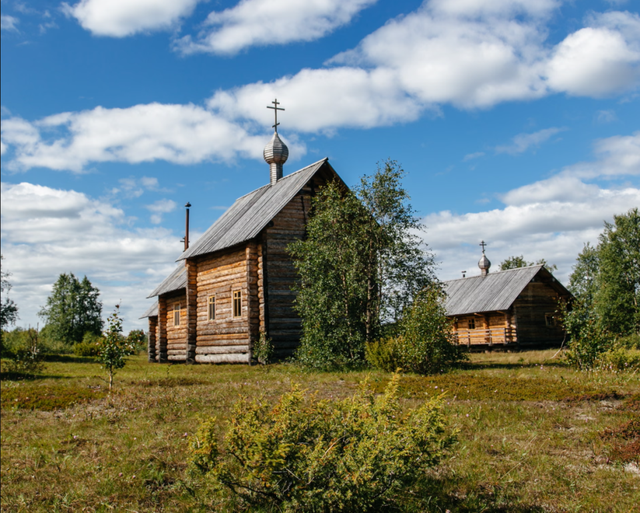
Although some officials complain about the cost of her maintenance, Agafia Lykova is considered a national treasure, the last member of a disappearing world.
Ironically, the woman who lived without bread and wheels is now a viral figure on YouTube. Her story feeds a powerful modern fantasy: the desire for self-sufficiency, for escape from the chaos of the contemporary world. But her ending reminds us that solitary survival in the taiga is not a heroic myth, it is an infinite human sacrifice.