Protests highlight trauma crisis, operating rooms under reconstr...
/ 2026-10-15 18:35:16Focus


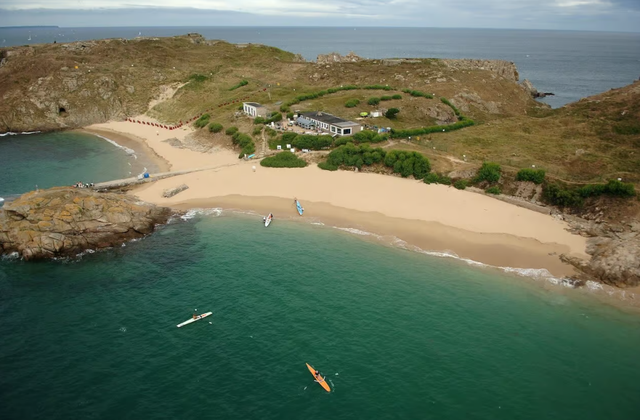
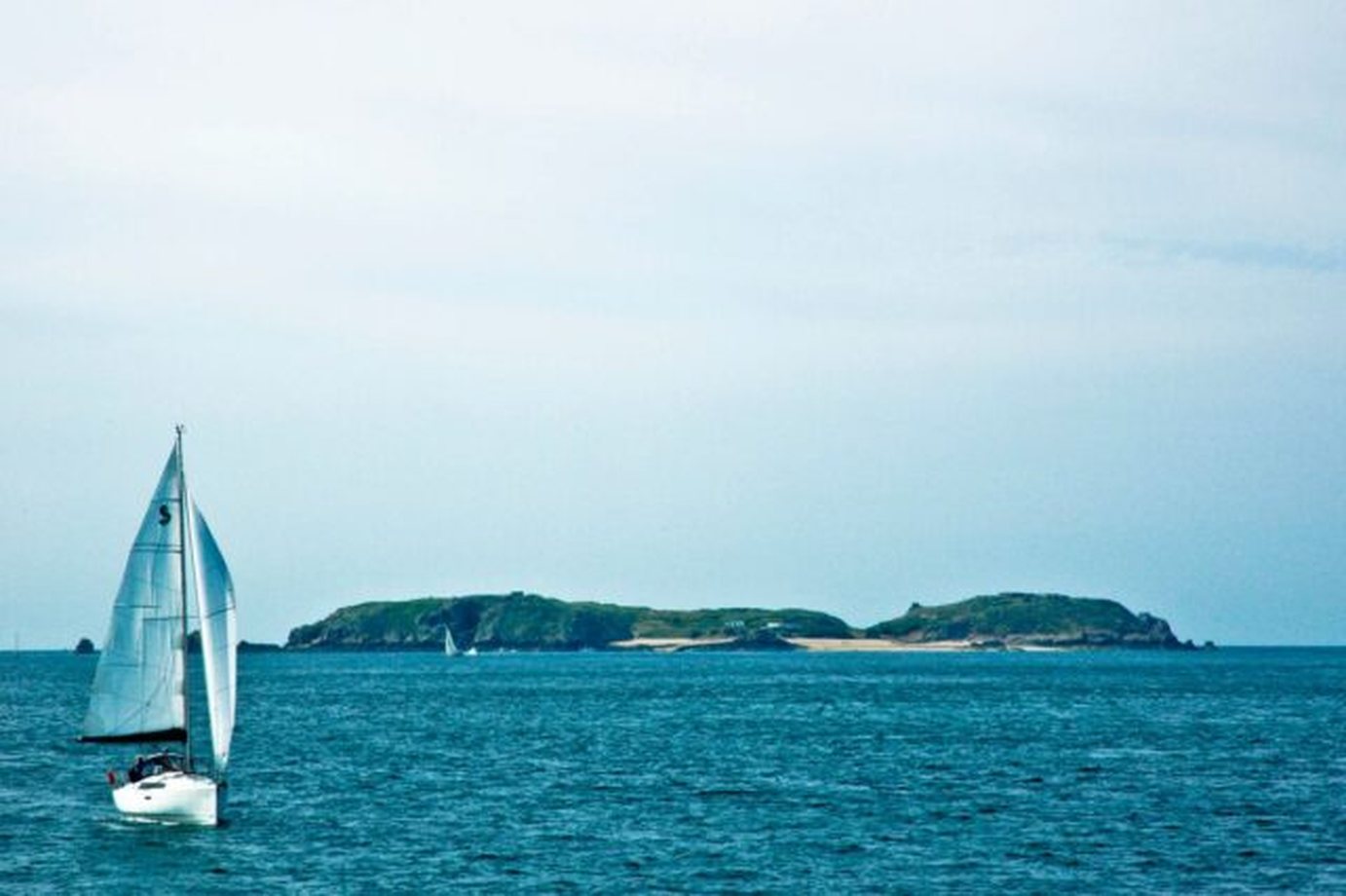
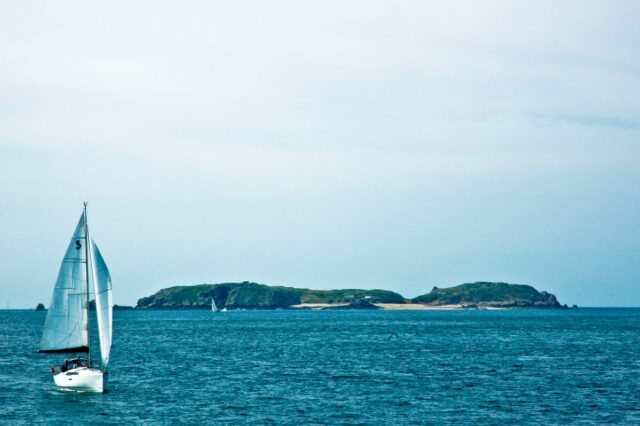
Off the coast of Brittany, opposite the French city of Saint-Malo, lies a small island of just 50 hectares that holds a terrifying historical record.
Cézembre is not just a tourist spot, but the place considered the most bombed on the planet per square meter.
An impenetrable bunker
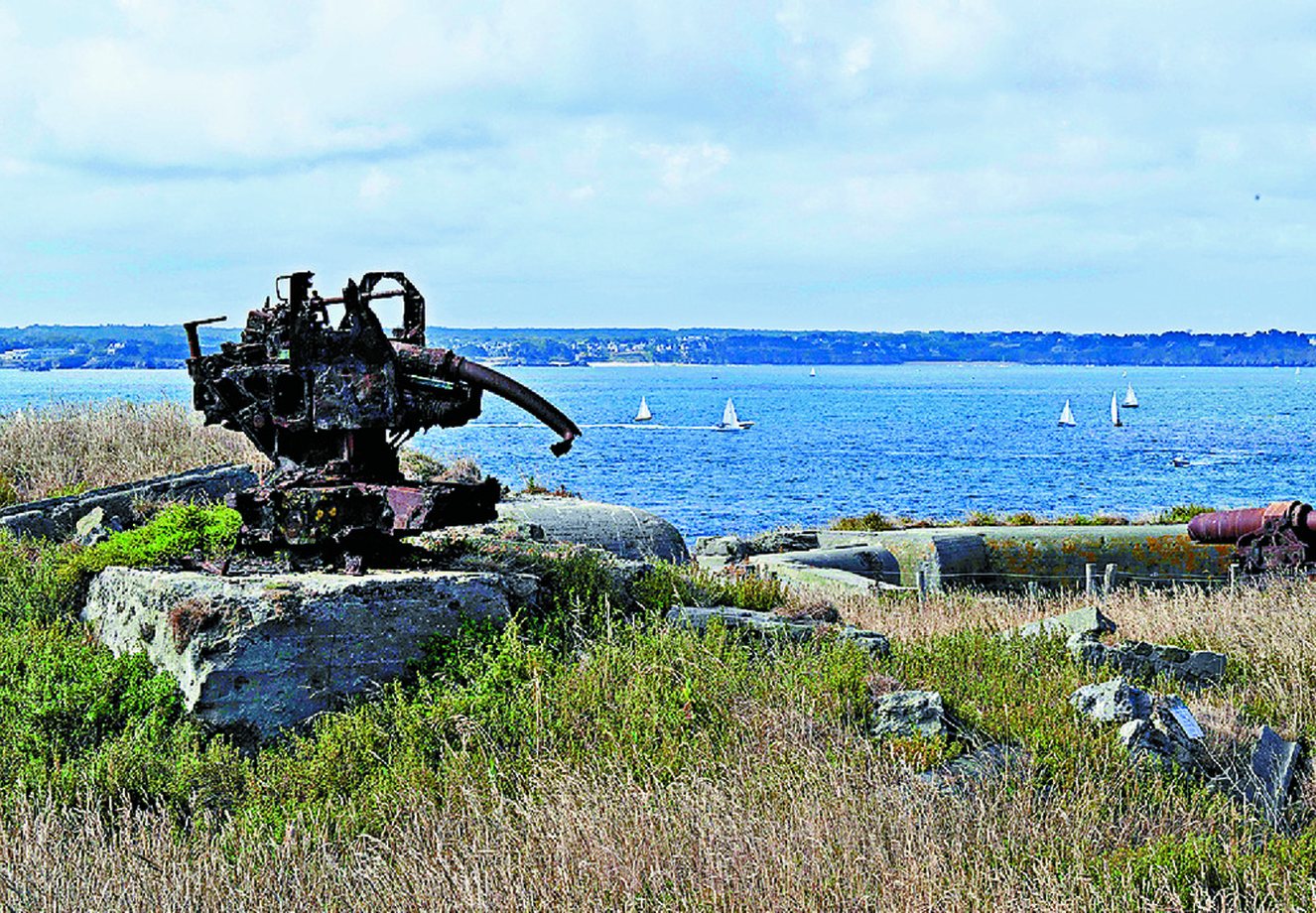
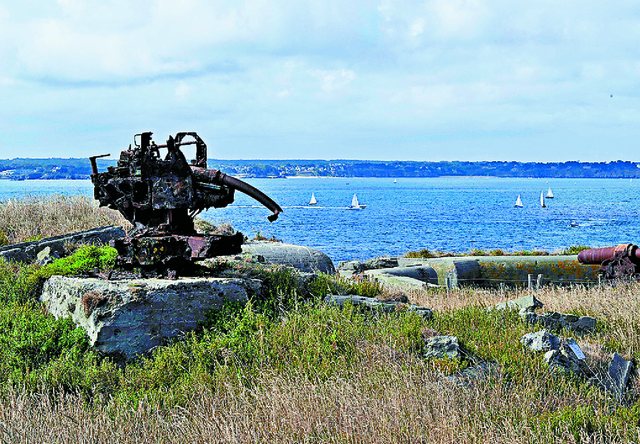
During World War II, this island was transformed into a veritable underground fortress as part of the “Atlantic Wall.” With three levels of tunnels and heavy artillery, it controlled every movement in the port of Saint-Malo.
When Allied forces advanced in August 1944, the island's garrison refused to surrender, prompting one of the most intense assaults in military history.
120,000 tons of ammunition
To break the resistance, some 120,000 tons of air and naval munitions were dropped on this small area. The intensity was so high that it is said that every square meter of the island was hit at least once. This operation also marked the first use of napalm in Europe, a burning gelatin that turned the landscape into a desert and reduced the physical height of the island.
A continuing danger
The garrison, consisting of German soldiers and 64 Italian sailors, surrendered on September 2, 1944, only after they ran out of drinking water.
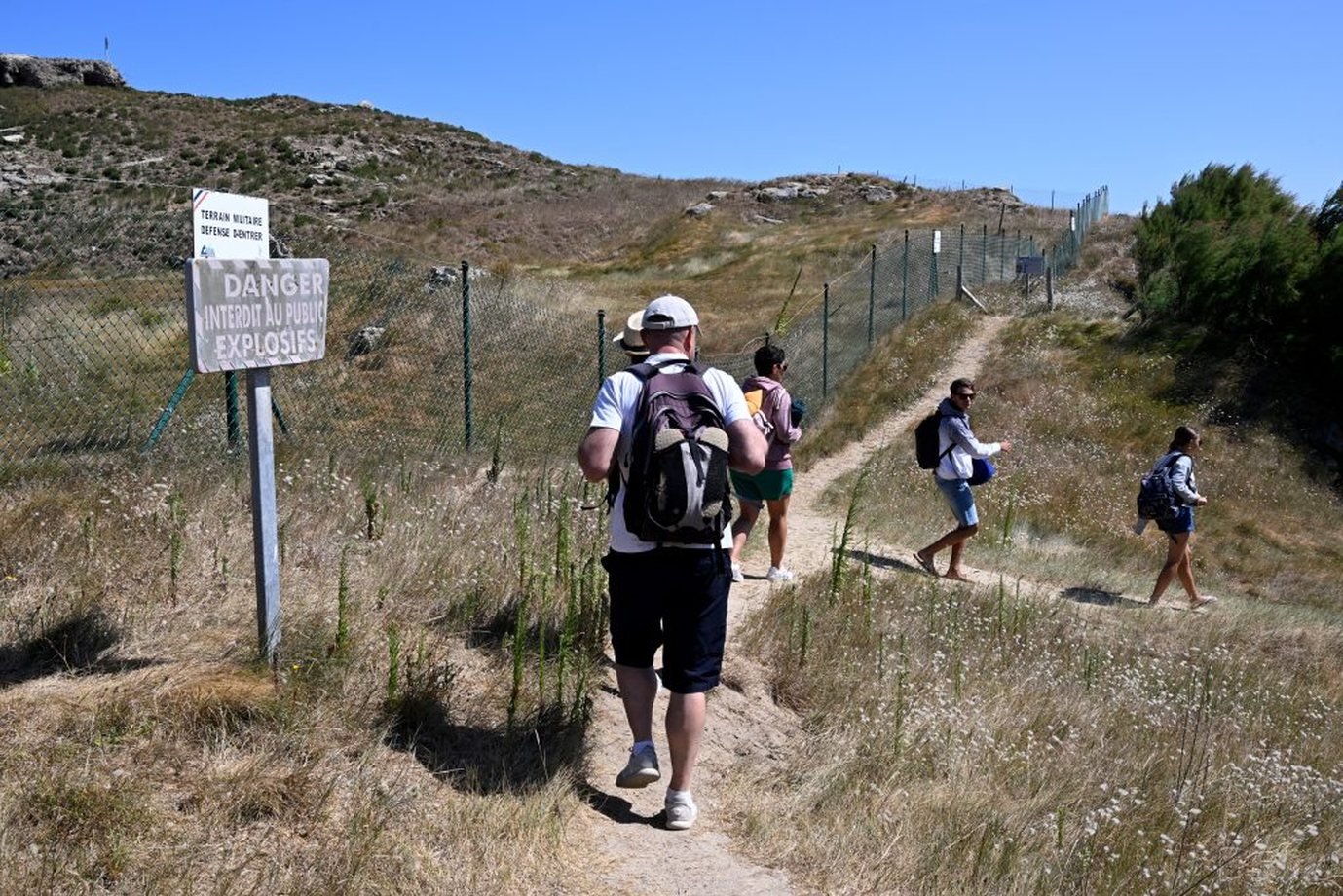
Even though decades have passed, Cézembre remains partially off-limits to tourists.
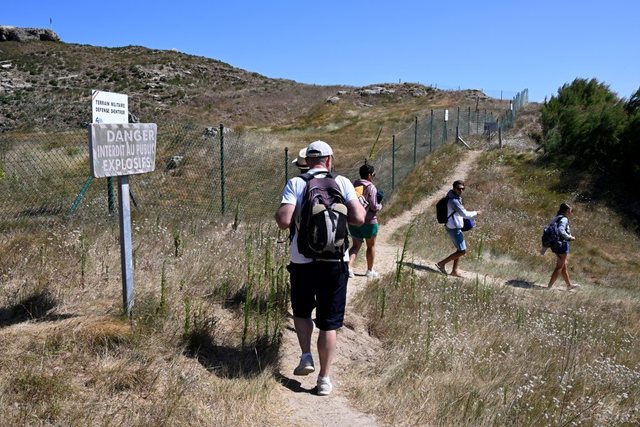
Much of it is surrounded by barbed wire due to the thousands of unexploded ordnance still lying underground, making it a living and dangerous testament to the horrors of war.