Protests highlight trauma crisis, operating rooms under reconstr...
/ 2026-10-15 18:35:16Focus


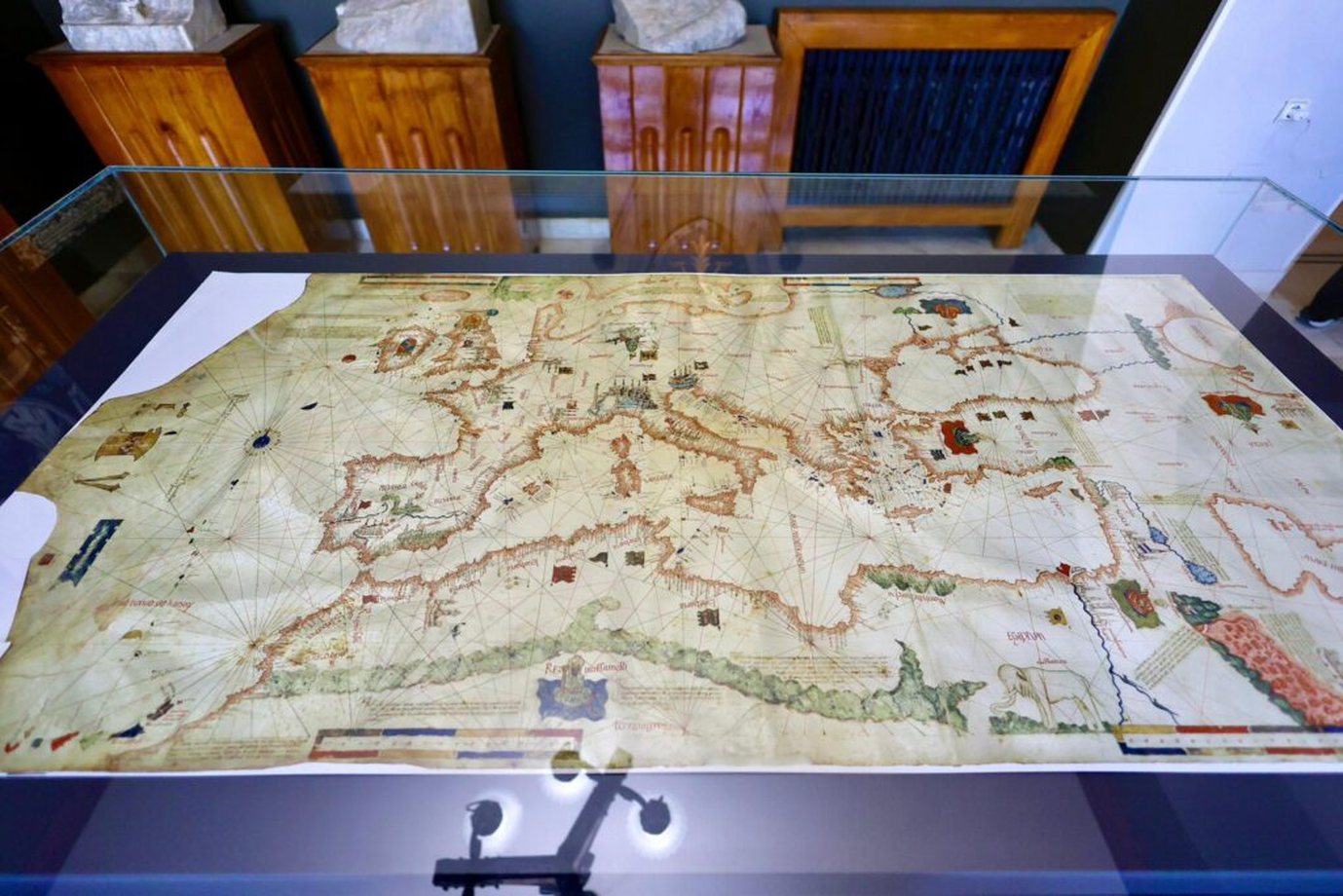
In an announcement on the social network Facebook, Minister of Culture Blendi Gonxhja noted the importance of an extraordinary artifact of national and European value, which was added to the collection of the "Gjergj Kastrioti Skanderbeg" National Museum in Kruja.
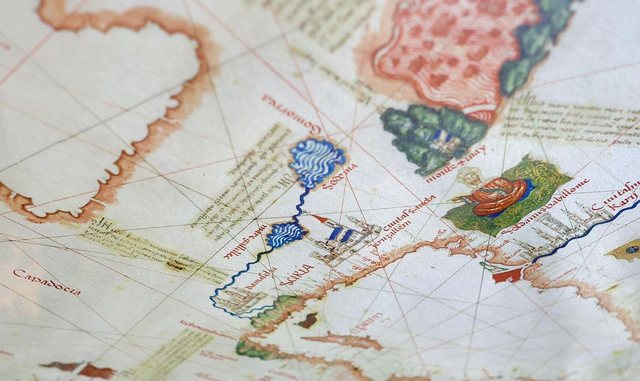
It is about the original map of Bartolomeo Pareto from 1455, one of the rarest evidences of 15th-century European cartography, which has great value not only for its geographical accuracy, but also for the historical and cultural importance it carries.
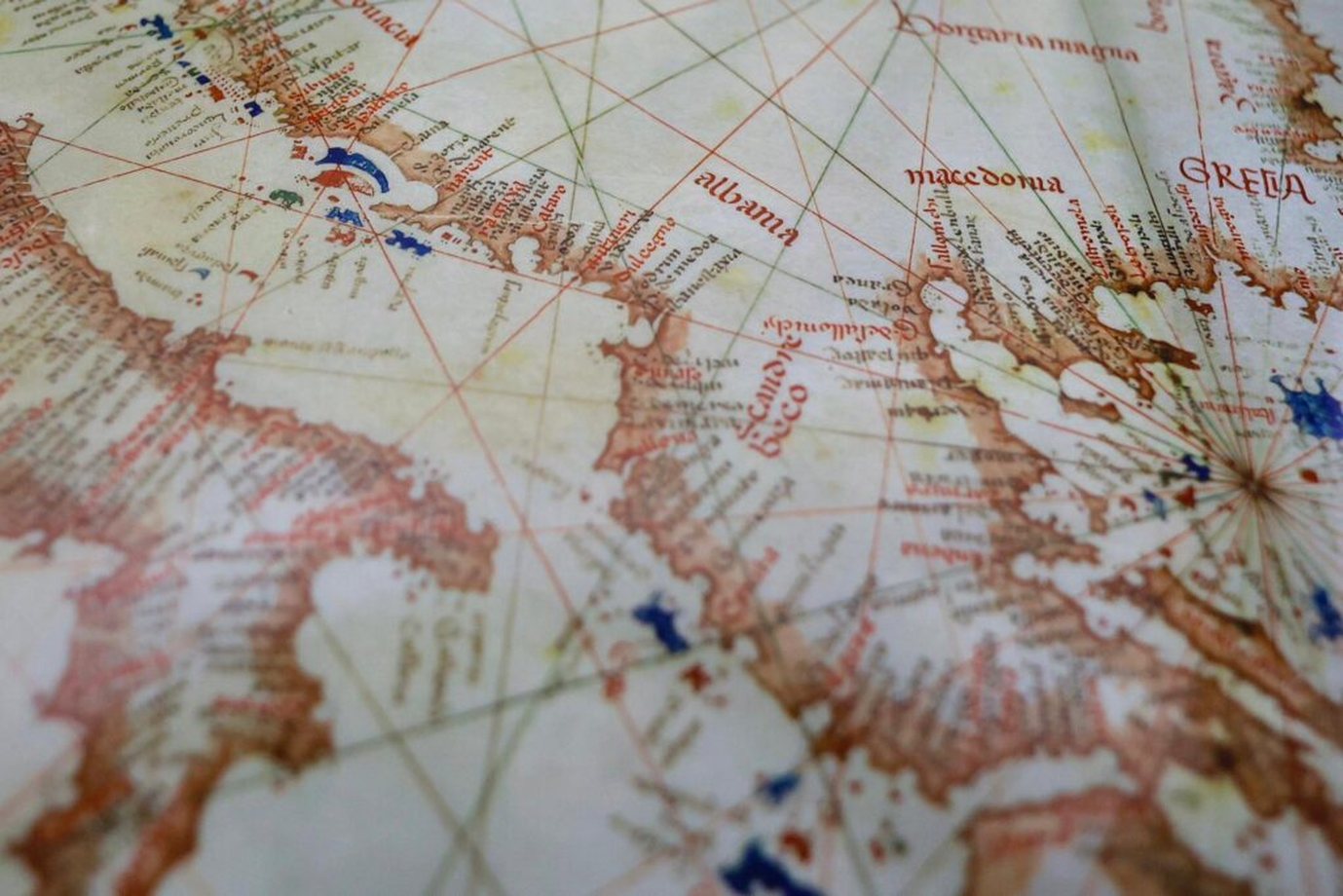
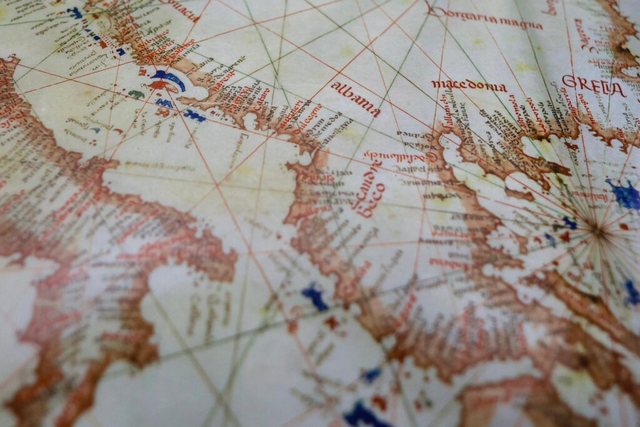
Bartolomeo Pareto's original map places the name of Skanderbeg as a toponym in the center of the Balkans, proving that he was already a reference figure for the royal courts of Europe and the Christian world in his time.
Who was Bartolomeo Pareto and what does this map from 1455 contain?
The 1455 map, known as a portolano, is a richly decorated document covering much of Europe, North Africa, and the Middle East. It was created with great care and shows the influences of the cartographic designs of Battista Beccario of Genoa and Angelino Dulcert of Spain.
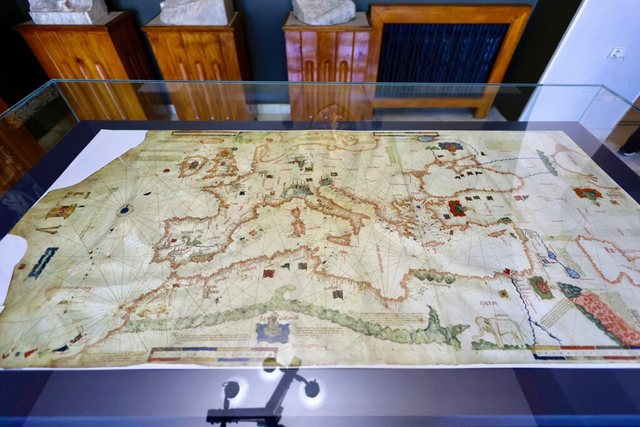
In addition to the details of the coast and ports, the map also contains artistic and symbolic elements that give it a dual value: as a navigation tool and as a work of art. One of the most special details is the appearance of the ghost island of Antilia in the Atlantic Ocean, an element known from myths and maps of the time, which disappeared from maps of the 16th century.
The portolan also contains important historical and cultural data about the Balkans and Central Europe. Its notes place on the map not only cities and ports, but also the names of prominent figures.
One of the peculiarities of this map is that it places the name of Skanderbeg as a toponym in the center of the Balkans, proving that the figure of the Albanian hero was known and respected by the royal courts of Europe and the Christian world. This makes the map a unique source for historians and researchers of political and cultural relations in 15th-century Europe.
After the death of the Valencian Jesuit Juan Andrés in 1817, traces of the map were temporarily lost, but it was rediscovered in 1877 in a repository of what was then called the Vittorio Emanuele Library, near the Roman College, by the Italian geographer Pietro Amat di San Filippo. This discovery was documented in the scientific journal “Memorie della Società Geografica Italiana” in 1878, thus bringing one of the most important maps of the 15th century back to the spotlight and making it accessible to scholars and collectors. Today, this map is not only a valuable part of European collections, but also constitutes a bridge between Albanian and European history, showing that Albania and its heroes were part of international culture and politics many centuries ago.
Who was Bartolomeo Pareto?
The creator of this map, Bartolomeo Pareto, was a Genoese priest and cartographer, known for his mastery of nautical cartography. Little is known about his early life, but it is documented that he lived and worked in Genoa, where he was ordained a priest in 1455, after serving as a papal acolyte. This position suggests contacts with the papal court in Rome, although the title was more of an honor than an active duty. In 1453, a meeting of the Council of Saint George described him as “the only Genoese expert in the art of drawing nautical charts” and granted him a fiscal exemption of up to 12 books, recognizing the special importance of his work for Genoese navigators. Before 1455, Pareto undertook a long sea voyage, during which he crossed the Alboran Sea, and from 1460 he served as parish priest of the church of Saint George in Genoa.
In addition to the 1455 map, some fragments of a 1457 map of the Italian Peninsula and a fragment of a mappamundi, preserved in the Topkapi Palace Museum, have survived from Pareto. He died before 9 November 1464, when the direction of the church of St. George was assigned to the canon Pietro de' Carderini.
Through his work, and especially the map of 1455, Bartolomeo Pareto left an unforgettable legacy in European cartography and an important testimony of the cultural and political ties between Genoa, the Vatican and 15th-century Europe, making his name a point of reference for scholars of the history of cartography and European culture.
A copy of the map certified according to scientific standards was first brought to Albania by Albanian cartographer Artan Shkreli in 2017 and is today preserved in the National Museum of Albania, where it is exhibited and accessible to the public and researchers.