Protests highlight trauma crisis, operating rooms under reconstr...
/ 2026-10-15 18:35:16Focus


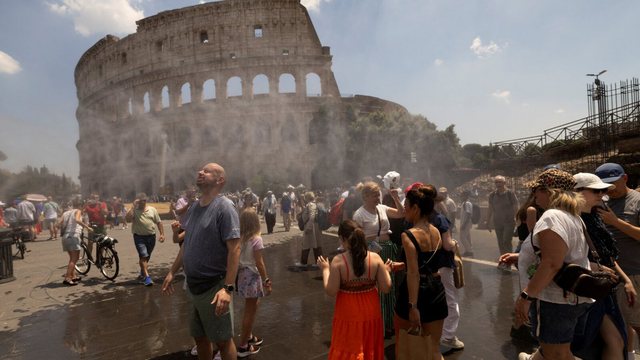
The Guardian/ On Wednesday, Pierre Masselot received a message from his daughter's nursery, less than 50 miles from the weather station that this week broke the UK's June temperature record, with parents being asked to pick up their children early as the school premises were becoming too hot.
Similar scenes were repeated across Europe this week as the continent grapples with the strongest and most widespread heatwave ever recorded, a suffocating force exacerbated by carbon pollution and made even more unbearable by the repeated failure to prepare for it.
France recorded its hottest day and night on record, while the United Kingdom and Switzerland broke temperature records for a June day.
For Masselot, an environmental epidemiologist at the London School of Hygiene & Tropical Medicine and one of Europe's leading researchers on assessing the hidden victims of heatwaves, recent days are reminiscent of the terrible summer of 2003. He was a teenager in southern France at the time and experienced firsthand the consequences of an extreme heatwave that scorched Europe.
That summer, some 70,000 people lost their lives, mostly the elderly, especially women and people living alone. Now, what was once considered the exception is becoming the norm.
“Today the exceptions of the past have become the norm, and today’s exceptions will be tomorrow’s norm,” said Masselot, 37. “Climate scientists have long been warning that we will have many more summers like 2003. Now that has become glaringly clear.”
Systems unprepared for an extreme climate
Despite repeated warnings, heatwaves continue to paralyse large parts of the continent. In England, several hospitals have declared a state of emergency due to cooling system failures and IT systems slowing down. Schools, workplaces and railways have faced disruptions, while forest fires have also been recorded.
In France, where about half of homes have poor heat protection, more than 55 people have drowned while trying to cool off, four young children have died inside hot cars, and two nuclear reactors have been shut down due to a lack of cooling water.
Pas katastrofës së vitit 2003, shumë vende evropiane krijuan sisteme paralajmërimi dhe masa emergjente, si mbyllja e shkollave, kufizimi i lëvizjeve dhe shtyrja e shërbimeve jo urgjente në spitale. Studimet tregojnë se këto masa kanë ulur ndjeshëm vdekshmërinë nga nxehtësia, deri në 75% më pak nëse një valë e ngjashme do të ndodhte sot.
Megjithatë, valët e të nxehtit po bëhen më të shpeshta, më të gjata dhe më intensive, dhe mbetet e paqartë nëse masat e përshtatjes po ecin me ritmin e rritjes së ndotjes klimatike.
Një krizë që po përshpejtohet
Edhe këtë vit, sistemet e paralajmërimit u aktivizuan që në maj, kur temperaturat thyen rekorde historike në Evropën veriperëndimore. Dy javë më vonë, Organizata Botërore e Shëndetësisë për Evropën përditësoi udhëzimet për planet e veprimit ndaj nxehtësisë, 18 vjet pas publikimit të tyre të parë.
Sipas OBSH-së, Europa ka humbur rreth 200 mijë jetë në katër vitet e fundit për shkak të nxehtësisë.
“Tragjedia është e dyfishtë: shumica e këtyre vdekjeve mund të ishin parandaluar dhe, së dyti, këto janë vetëm maja e ajsbergut”, deklaroi drejtori rajonal i OBSH-së për Evropën, Hans Kluge.
Shkencëtarët theksojnë se Evropa po ngrohet më shpejt se çdo kontinent tjetër, për shkak të ndryshimeve klimatike dhe afërsisë me Arktikun që po shkrihet me ritme të shpejta. Një studim i “World Weather Attribution” ka vlerësuar se vala aktuale e të nxehtit do të kishte qenë “praktikisht e pamundur” 50 vjet më parë.
Rreziqet shëndetësore dhe mungesa e përgatitjes
Temperaturat e larta gjatë natës janë veçanërisht shqetësuese, pasi rrisin ndjeshëm rrezikun për shëndetin. Sipas studiuesve, ato janë rreth 100 herë më të mundshme se në vitin 2003, ndërsa kulmet e temperaturave ditore janë rreth 10 herë më të shpeshta.
Ekspertët theksojnë se lodhja nga përsëritja e paralajmërimeve është e madhe.
“Ka një pashmangshmëri të trishtuar në gjithë këtë, kur shkencëtarët përsërisin të njëjtat paralajmërime çdo vit”, tha klimatologia Friederike Otto. “Po ecim drejt një të ardhmeje gjithnjë e më të rrezikshme.”
Çfarë mund të bëhet?
Ekspertët kërkojnë më shumë hije në qytete, ventilim më të mirë të ndërtesave dhe zgjerim të hapësirave të gjelbra për të ulur efektin e “ishullit urban të nxehtësisë”. Po ashtu, rekomandohet mbështetje më e madhe për spitalet dhe kujdes i shtuar për të moshuarit dhe personat vulnerabël.
Përdorimi masiv i kondicionerëve shihet me kujdes, pasi mund të rrisë ngarkesën në rrjetin elektrik dhe të përkeqësojë ngrohjen urbane, megjithëse mbetet i domosdoshëm për spitale, shtëpi kujdesi dhe transport publik.
Debati politik dhe klimatik
Ndërsa temperaturat rriten, debati politik për klimën po ashpërsohet. Disa forca politike në Europë kundërshtojnë politikat e energjisë së pastër, ndërsa të tjerë kërkojnë rritje të përdorimit të kondicionerëve si zgjidhje të shpejtë.
UN Secretary-General António Guterres has repeated calls to stop the use of fossil fuels, while warnings about the climate crisis often clash with political decisions that weaken environmental policies.
A fading memory
For Masselot, who remembers his childhood in hot summers in France, where people kept their shutters closed all day to protect themselves from the sun, awareness of the heat has increased, but still not enough.
“People have learned some lessons and know what the danger is,” he said. “But often, once the summer is over, we forget it again.”