Is this police force professional and capable of handling violen...
/ 2026-10-16 18:54:07Focus



From Prizren to Tirana and Pristina, Korçë, Peja or Elbasan... Albania and Kosovo have held eight intergovernmental meetings in more than a decade. The last one scheduled to be held on June 14, 2023 in Gjakova was canceled. Since January 2014, when the first meeting was held in Prizren, the number of agreements signed between Albania and Kosovo is 83, most of which are in the field of trade.
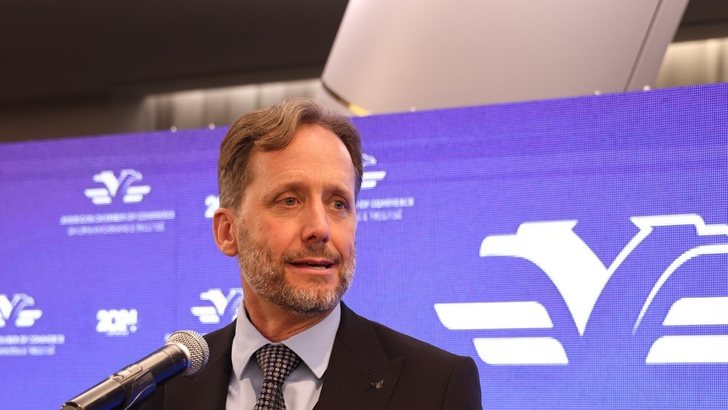
"Although a large number of intergovernmental agreements have been signed and we have had a clear will for cooperation, the reality shows that many of them are not being implemented in practice. There are significant delays in the implementation of projects, and this is directly related to political changes in both countries, as well as tense relations at leadership levels," says Lulzim Rafuna, from the Kosovo Chamber of Commerce.
But today, 12 years later, only 37 agreements are fully or partially implemented. The ups and downs in political relations, especially between Edi Rama and Albin Kurti, have also been reflected in economic cooperation between the two Albanian-speaking countries.
"It is clear that agreements exist, but implementation does not keep pace with them. A stronger monitoring mechanism and more active involvement of all institutions are needed to ensure that the results are felt in the economy and the market," says Alber Gajo, an economic expert and former deputy minister of Integration.
From the data of public institutions, it results that so far the agreements for the removal of Roaming fees have been fully materialized, the Kosovo customs point at the Port of Durrës has been completed, joint customs control activities have been carried out at the Morinë-Vërmicë point, the bilateral recognition and unification of models of health and veterinary certificates, as well as the mutual recognition of drivers' licenses.
The creation of the Albanian electricity stock exchange has also been achieved, the Development Fund for the Presheva Valley has been approved, the Albania-Kosovo Chamber of Commerce has been established, the Joint Training Center has been established, and joint consular services have been organized.
"The advantages are evident: we have the same language, culture and geographical proximity that facilitate any cooperation. However, political challenges and different commercial perceptions often hinder the real benefits that this cooperation can bring," says Rafuna.
"To fully exploit existing opportunities, we need to focus on concrete projects, build trust between actors, and set clear objectives for each new agreement," says Gajo.
Geographical proximity, language, and documentation are considered advantages in cooperation between Albania and Kosovo. While politics, trade perception, and consumer behavior are considered disadvantages.