Is this police force professional and capable of handling violen...
/ 2026-10-16 18:54:07Focus


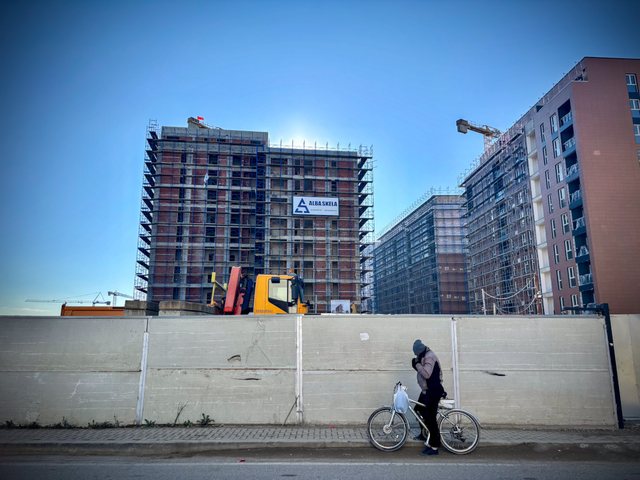
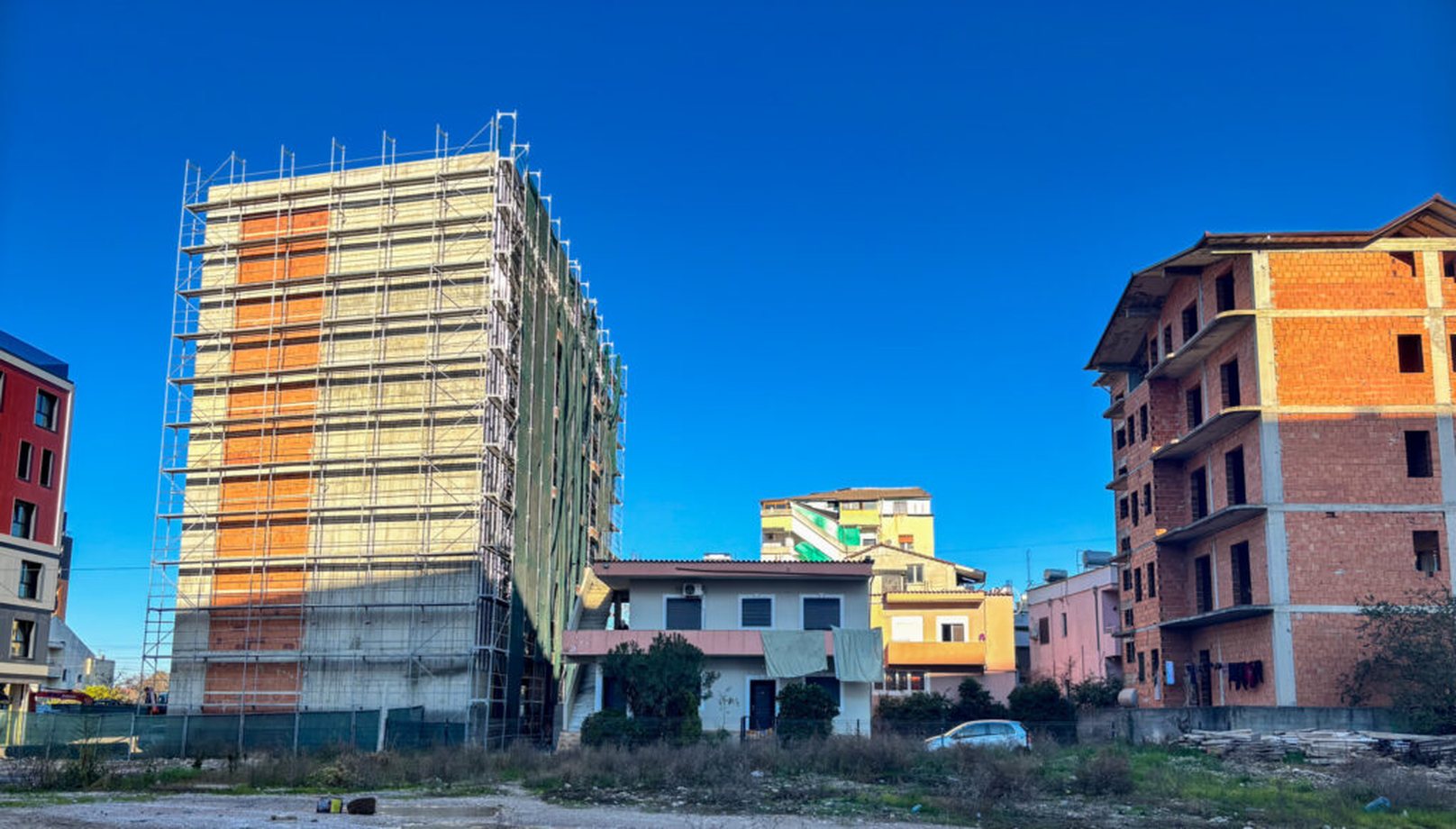
The Albanian capital is experiencing, and at the same time suffering, an extremely rapid urban transformation, involving some of the biggest names in contemporary architecture. Against all economic logic, prices have increased significantly, while most buildings remain empty.
By Francesca Barca, Federico Caruso - Voxeurop
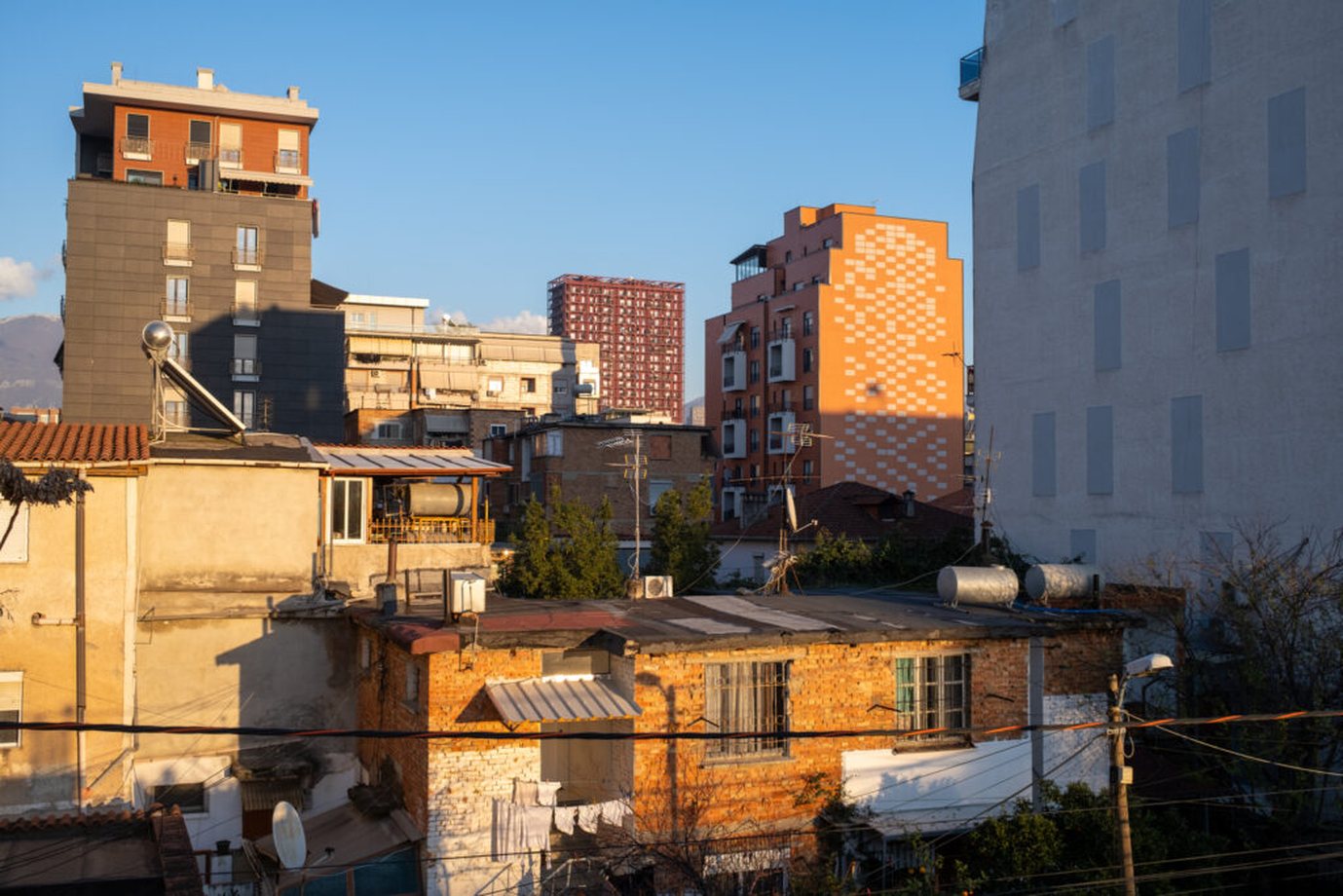
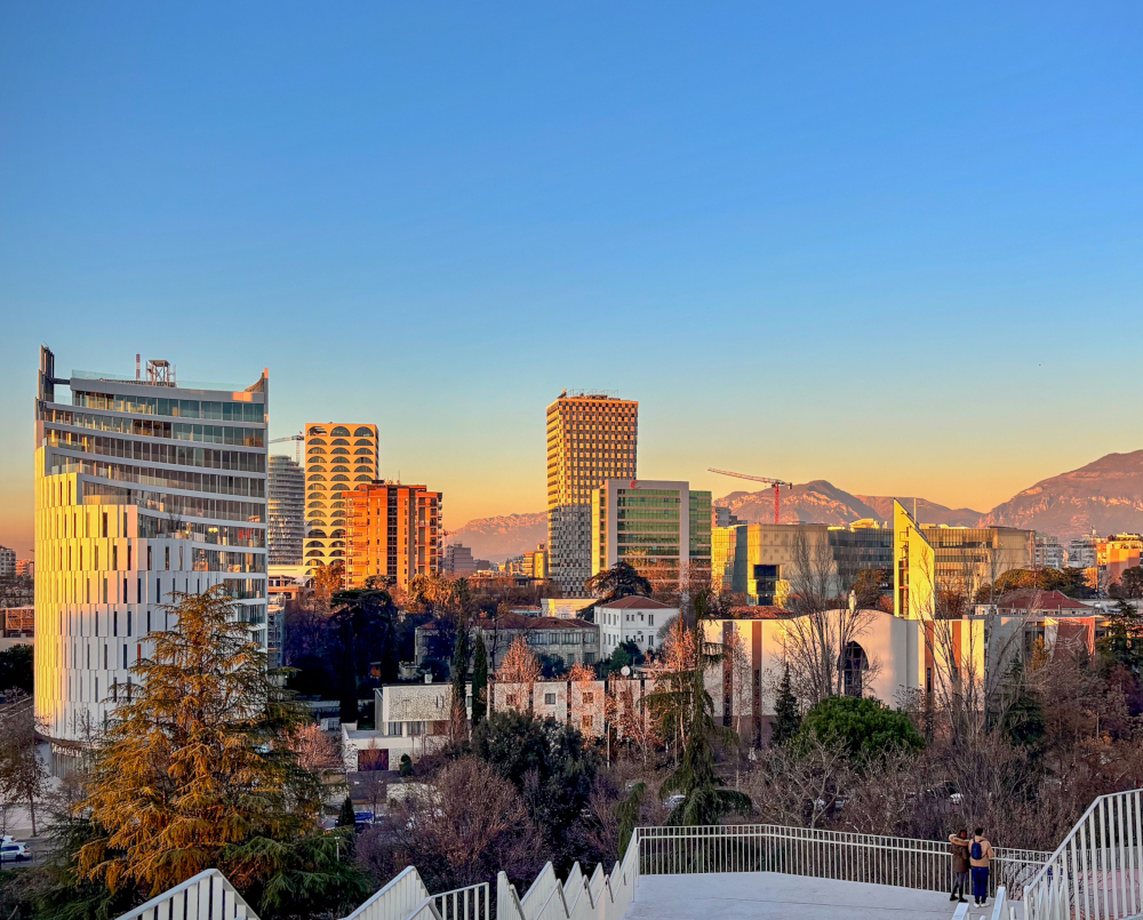
The center of Tirana is densely packed with people, cars, bicycles, scooters, and a variety of architectural forms.
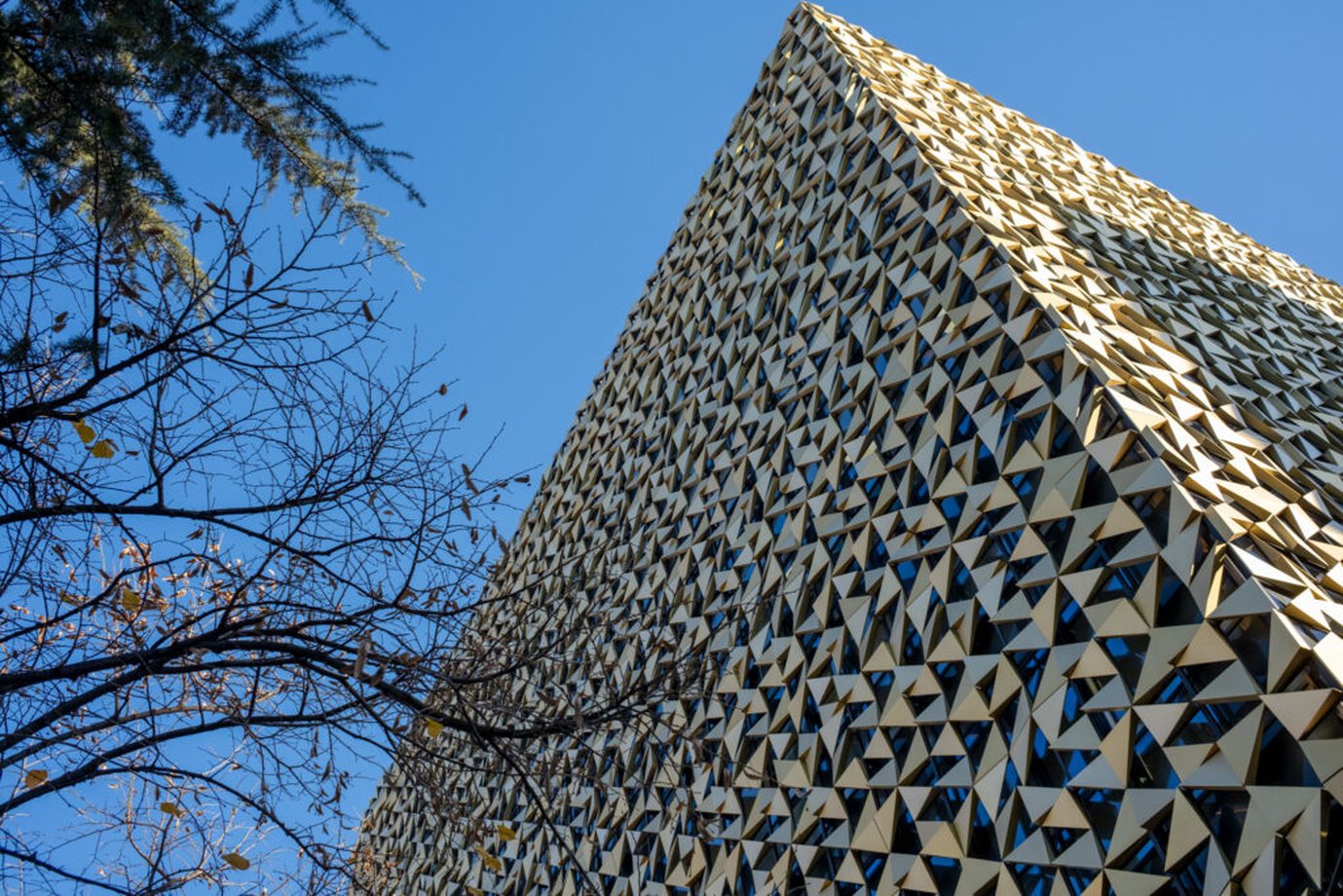
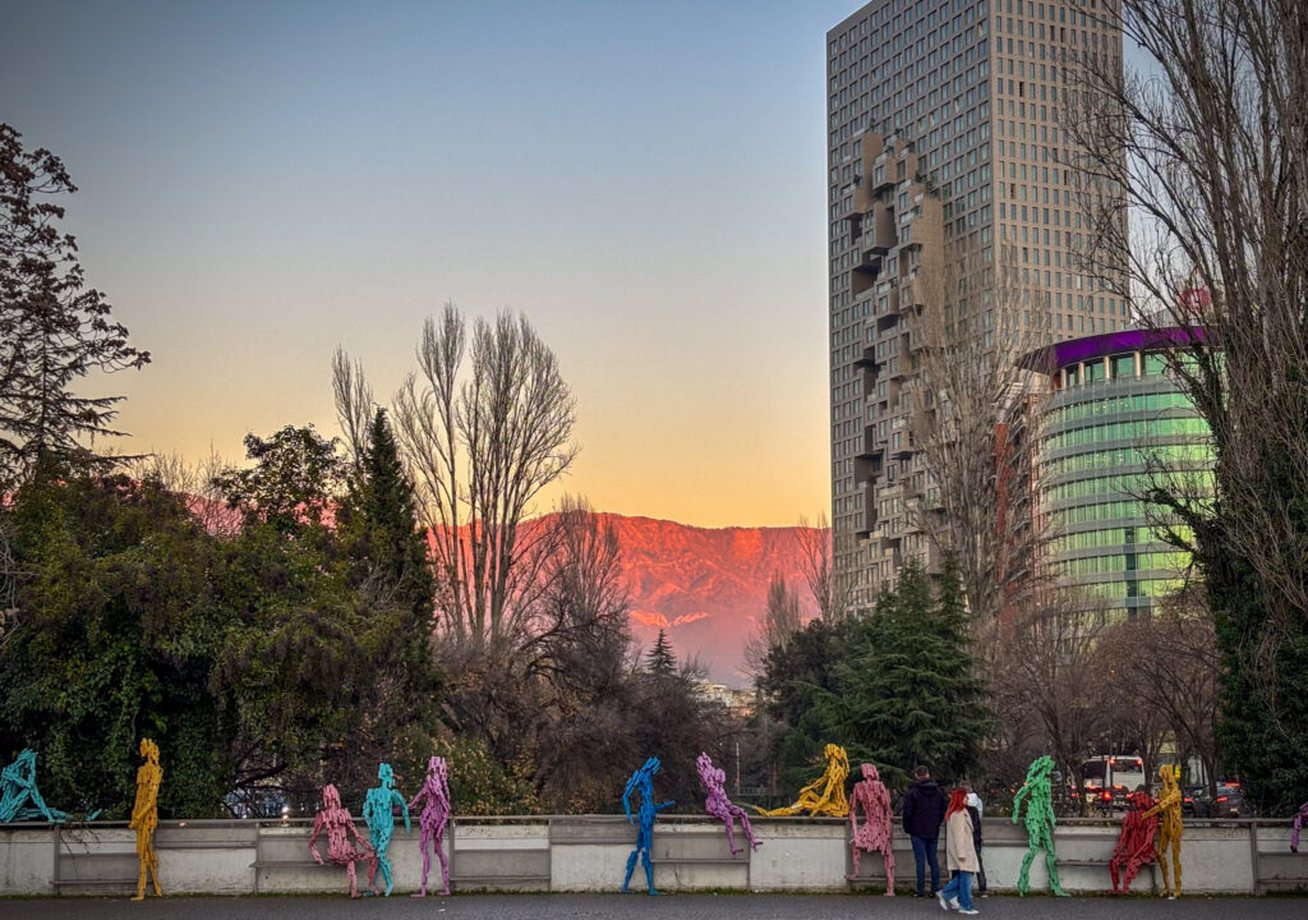
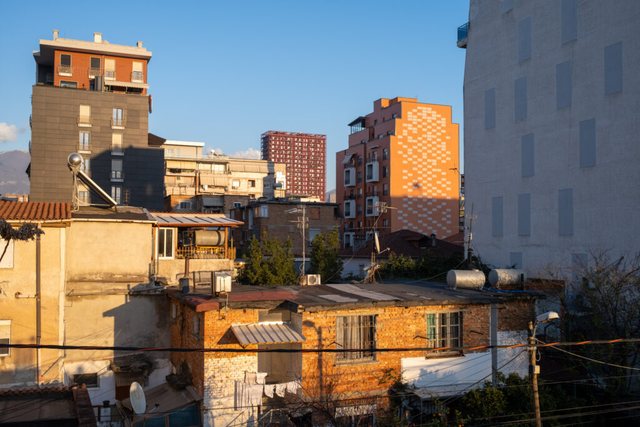
During rush hour, the area is so packed with traffic that it's hard to perceive the width of the boulevards. Architectural styles from different historical periods stand side by side, but it's the many skyscrapers that stand out the most, all new, imposing, and somehow fascinating.
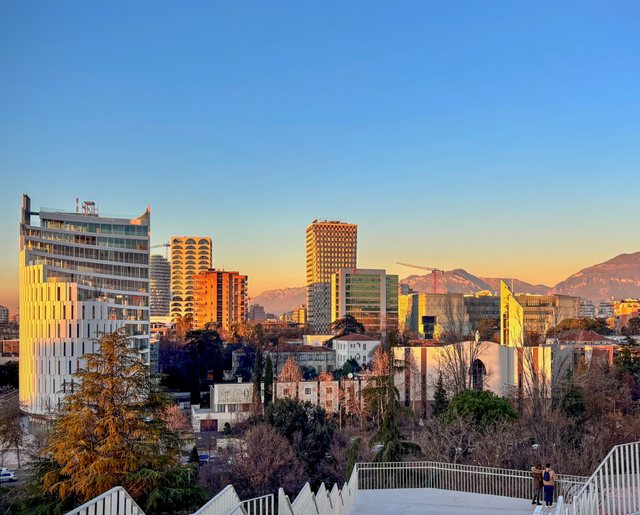
These are projects by so-called "architects", names like Stefano Boeri, known in Italy for the Vertical Forest in Milan, Marco Casamonti, the Dutch studio MVRDV and the Belgian studio 51N4E. Big, prestigious names, who build innovative and, as claimed, environmentally conscious projects.
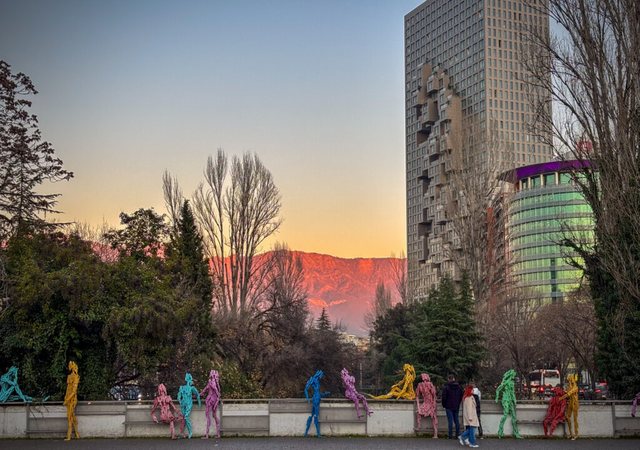
These names are being used by Prime Minister Edi Rama to lend a halo of legitimacy to the latest wave of developments, says Erblin Vukaj, a journalist for the independent newspaper Citizens, as we stand at an intersection that is emblematic of this perspective. We are in the central neighborhood of Blloku, where our walk begins in the company of Vukaj and his colleague, journalist Elira Kadriu, between Brigada e VIII Street and Vaso Pasha Street.
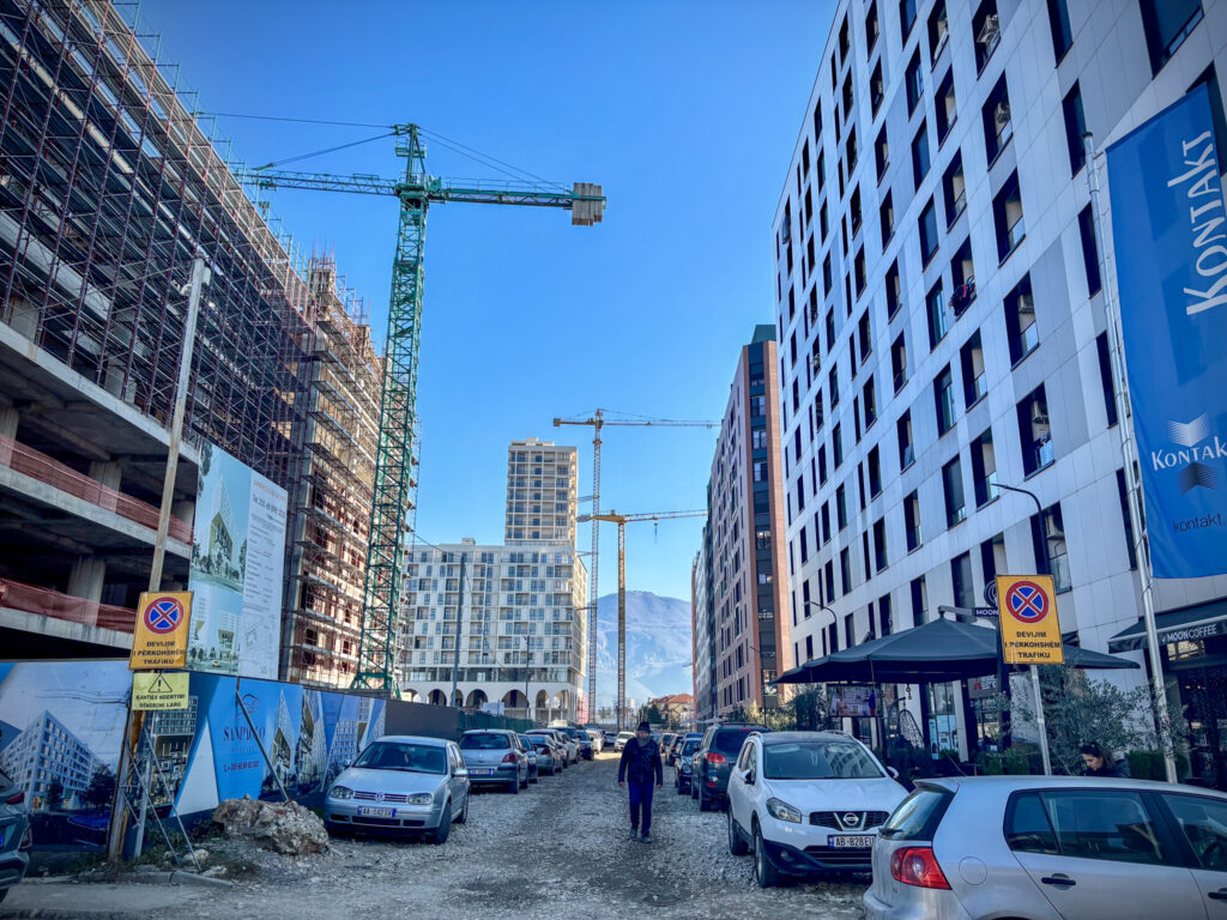
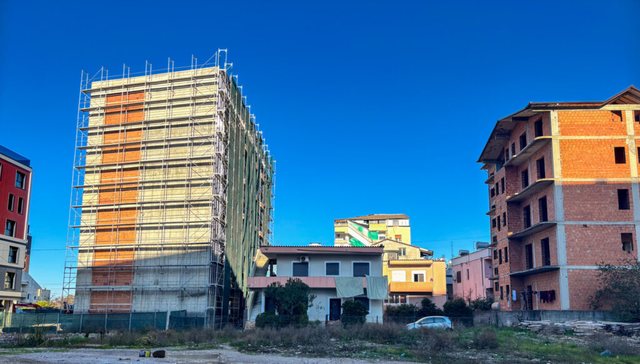
The same area includes small villas that likely belonged to party leaders during the socialist regime (1944–1991), buildings built after the regime’s fall, and more imposing structures like Stefano Boeri’s Cube Block, the Credins Bank headquarters designed by Albanian studio Atelier 4, and two other skyscrapers under construction, designed by Marco Casamonti’s studio. A large banner attacking the government’s construction policies hangs from one of the older buildings. A little further away, Vukaj points to a building that is scheduled to be demolished to make way for another tower. There is no sign of parks or bike paths in the surrounding area.
Behind this imposing architectural façade, however, lies a void. According to data from the Albanian Institute of Statistics (INSTAT, cited here), in 2023 one in three apartments in Albania was uninhabited. In 2024, journalist Ola Xama reported that there were over 85,000 empty houses in the Tirana region, 52,000 of them in the capital. At the current rate of population growth, “it would take 45 years” to fill these apartments, Xama explains.
This figure is much higher than in the previous census (2011), when one in five (21.6 percent) apartments were uninhabited. Underlying these figures is a country that is emptying: between 2011 and 2023, Albania lost almost 500,000 people.
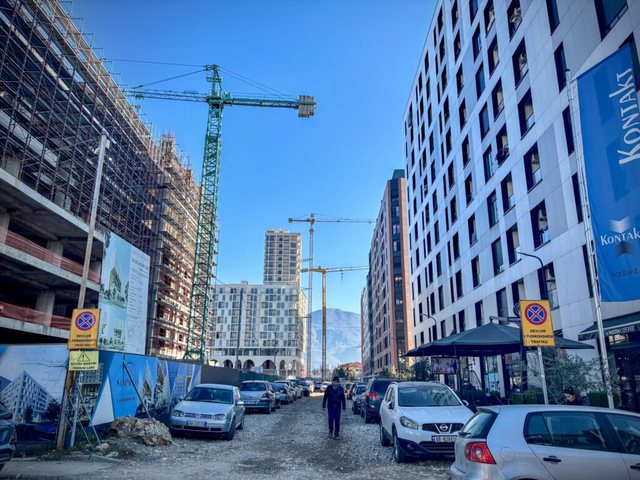
However, construction continues unabated. In 2015, permits were issued for the construction of new residential buildings covering an area of 50 square kilometers; in 2022 this figure increased, more than 40-fold, to 2,071 square kilometers, and this trend has continued in the years that followed.
Increased supply coupled with decreased demand would be expected to cause prices to fall. Instead, house prices have continued to rise, while the same cannot be said for wages.
In Tirana, according to data from the Bank of Albania, housing prices increased by 5.1 percent in the first half of 2025, and by 32.6 percent on an annual basis.
In 2011, an apartment in the most central areas of the city could cost between 700 and 2,500 euros per square meter; today, the range has shifted to 2,500–4,500 euros per square meter.
In Tirana, it is now very difficult, if not impossible, to find a two-room apartment for rent for less than 600 euros.
The construction boom was fueled by a policy initiated during Edi Rama’s 2000–2011 term as mayor – who became prime minister in 2013 – of the Socialist Party, and then continued by his successor and party colleague Erion Veliaj (now in prison on corruption and money laundering charges).
In 2017, the Tirana 2030 urban plan was approved – 2030 is the year in which Albania aims to become a member of the EU. Designed by Stefano Boeri Architetti, the plan introduces the idea of vertical development to free up space for squares and green areas, and to ease traffic congestion through the development of public transport and bicycle lanes.
Unfortunately, reality is very different from architectural drawings.
Italian urban plans for Tirana
“The Tirana 2030 Plan has opened the city to construction and densification,” explains architect and researcher Dorina Pllumbi. “Previously, buildings could be up to seven stories, a maximum of nine.” Today, the tallest completed building is the 40-story Downtown One, but this is expected to be dwarfed by approved projects exceeding 70 stories.
“There was no attention to historic buildings,” Pllumbi continues, “there were beautiful villas that were demolished without scruples. The city is changing at a very fast pace, and people have difficulty recognizing their neighborhood, and their neighbors.”
“My impression is that Rama aims to completely change the face of the city and leave his mark,” says Vukaj as he shows us the city center. “This is a problem of ego, not a proper urban plan that does not ask about aesthetic balances and that destroys our collective memory. All this while facilitating the laundering of criminal money.”
Last September, a report by the Friedrich Ebert Foundation was published with the emblematic title “Money Laundering in Real Estate; The Impact on the Socio-Economic Life of Albania.” The report estimates that corruption and tax evasion in Albania generated “at least 8.168 billion euros for the period 2015–2024,” mainly in the construction sector.
“Real estate prices have increased rapidly in the last 10 years, especially from 2021 to 2024. Theoretically and logically, such a price increase, while the supply in the market increases, occurs when the market is influenced by factors so powerful that they distort the typical relationships between demand, supply and price.”
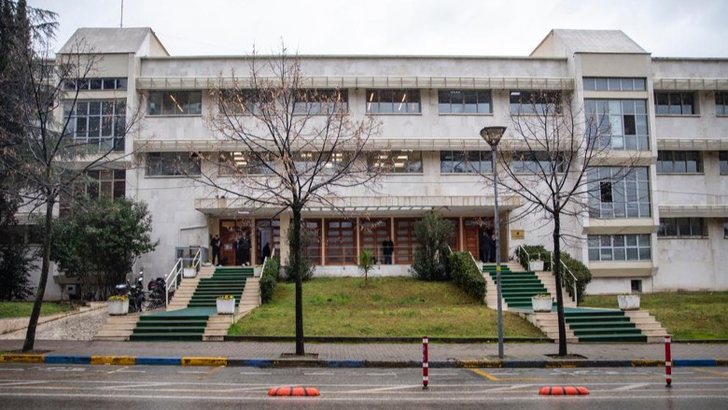
Almost exactly a century ago, in 1925, a development plan for the city center of Tirana was launched, involving Italian architects and urban planners sent by the fascist regime. The names of Armando Brasini and Gherardo Bosio are well-known in this city. Walking through the streets, it is not difficult to recognize the architectural style of that period, in the Prime Minister’s Office building, in Mother Teresa Square (formerly Vittorio Emanuele III Square) or in the Polytechnic University (formerly Casa del Fascio). All were designed by Bosio and are located just a few steps from each other.
Today, history is repeating itself, and not without a certain irony, as Vukaj notes. For Dorina Pllumbi, this is a form of “a kind of colonialism, […] not in the classical sense, of course, but a softer ‘coloniality of power’ that is operating today between countries.” During our conversation, Pllumbi refers to an “internalized inferiority” that Albania has developed towards foreigners, especially “Westerners.”
An example of this phenomenon is the pavilion at the 2025 Venice Biennale. Dedicated to Albanian architecture, it was curated by Swiss scholar Anneke Abhelakh and included everything except contributions from Albanian architects. The pavilion was titled “Building Architecture Culture,” “As if there were no architecture in Albania, as if there were nothing there, as if everything were a tabula rasa.”
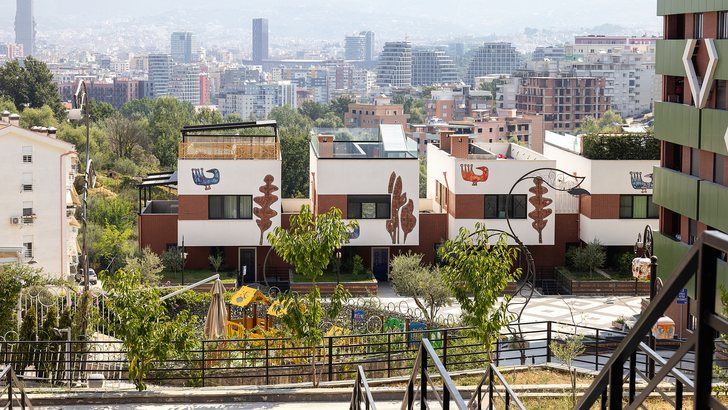
At the end of our walk, Vukaj shows us some visualizations from the Bukë dhe Zemër architecture festival to give us an idea of how unrealistic these real estate projects are. The impression is that the city, like the country itself, has become a playground for the creativity (and wallets) of architects and builders.
Prime Minister Edi Rama has declared that the latest wave of architectural development, with the opening of the market and the entry of foreign investors and designers, is about “the return of individualism” for Albanians. This is rhetoric that Pllumbi firmly rejects:
“Në Shqipëri, ekziston një rezistencë për të folur për kolektivitetin dhe kolektivizmin, sepse është si, ‘oh, e provuam atë. Ishte një katastrofë. Dështuam’. Dhe tani nuk ka rrugë tjetër veçse të shkojmë drejt individualizmit. Ajo që përpiqem të bëj me punën time dhe studiues të tjerë dhe aktivistë, përfshirë grupin ATA, për shembull, është të sfidoj këtë narrativë dominuese. Ajo që përjetuan prindërit tanë ishte në fakt kolektivizëm shtetëror. Shteti përdori ideologjinë e kolektivizmit për të imponuar pushtetin e tij mbi popullsinë, mbi vendin dhe mbi çdo aspekt të jetës së përditshme. Por mënyrat komunitare dhe më autentike të vetë-organizimit kolektiv gjithashtu pësuan, sepse u përthithën dhe u kapën brenda kësaj ombrelle të madhe ideologjike të kolektivizmit shtetëror. Kjo është arsyeja pse duhet të praktikojmë këto mënyra më autentike të kërkimit të qytetit, jo si një forcë totalizuese që vjen nga lart, por si akte kolektive të përditshmërisë.”
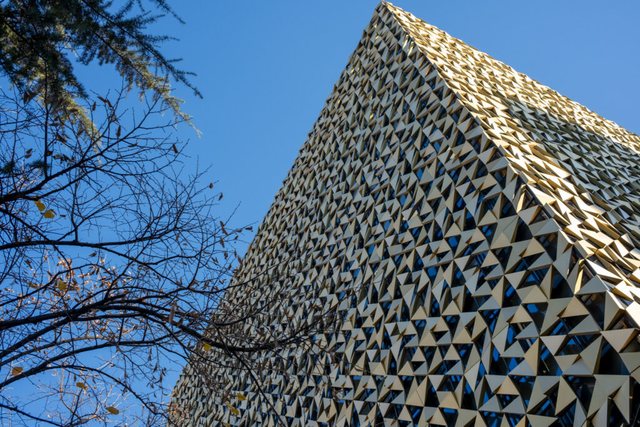
Qasja “muskulare” ndaj zhvillimit urban e imponuar nga Partia Socialiste po ndryshon fytyrën e qytetit, por nuk po zgjidh problemet e tij të rrënjosura thellë.
Pllumbi jep shembullin e depozitave të ujit që duken në fasadat e të gjitha shtëpive, duke treguar mungesat e shpeshta të ujit në qytet. Për Pllumbin, kjo është një “protestë e përhershme.”
“Nëse një planifikues vërtet dëshiron të shohë se cilat janë problemet në qytet, ato janë kaq të dukshme. Nëse nuk adreson trafikun, nëse nuk adreson shërbimet, dhe gjithçka që njerëzve u nevojitet për të jetuar në një qytet normal, atëherë nuk ke bërë shumë.”
Burimet për të rezistuar këtij procesi mungojnë: “Protestat kanë qenë shumë të rralla këtu. Sepse kështu na mësojnë: mos shkoni në protesta. Kjo është arsyeja pse merremi me të kaluarën.”
Armen Sula është aktivist i shoqatës Tek Bunkeri, e cila drejton një hapësirë në qendër të Tiranës ku organizohen shfaqje filmash, debate, koncerte dhe punëtori teatri, të gjitha të fokusuara në përpunimin e së kaluarës së përbashkët të vendit dhe reflektimin mbi historinë e diktaturës.
Shoqata aktualisht ka një kontratë qiraje për një vilë të rrethuar nga ndërtesa më të larta. Aktivistët nuk e dinë sa gjatë do të mund të qëndrojnë.
“Kontrata jonë e qirasë përfundon pas dy vitesh,” thotë Sula, “dhe nuk e dimë nëse do të rinovohet, sepse pronari dëshiron të ndërtojë diçka më të lartë. Investuam shumë në këtë vend, ishte i gjithë baltë kur erdhëm.”
E vetmja shpresë, thotë ai me ironi të hidhur, është “që kryeministri të shkojë në burg për të paktën pesë vjet, në mënyrë që ndërtimi të ndalet dhe ne të mbijetojmë këtu.”
Evropa në 2030
Në këtë sfond, anëtarësimi në Bashkimin Evropian është, për shumë shqiptarë, “e vetmja rrugë”, sipas Nebi Bardhoshit, antropolog dhe drejtor i Institutit të Antropologjisë Kulturore dhe Studimeve të Artit në Tiranë, të cilin e takuam në Kamëz, një qytet shtatë kilometra nga kryeqyteti.
Sigurisht, shqiptarët nuk kanë iluzionin se anëtarësimi në BE është zgjidhja për çdo problem.
“We know the weaknesses of the European Union, we are not naive,” Bardhoshi continues. “People on the periphery are never like that: they have a perspective that allows them to observe society differently. At first glance they are considered inferior, but their perspective is much more realistic.”
“We want to join the European Union,” Sula reiterates. “We were promised that we would do it in 2030. But I don’t think it’s possible for us as a society, we’re not ready. Not even at the institutional level.”
Sula sees two main obstacles: the unresolved issue of transitional justice, related to how the socialist regime is remembered and treated; and corruption, which is “absolutely massive.”
Dorina Pllumbi shares the same opinion: “The EU could be another imposition of power, but it could also be the opposite. It could be an opportunity for, let’s say, another level of political engagement. However, in practice, we see that the EU often seems to have lost its compass with its own principles, so I don’t know if you can put that much hope in the European Union. If Albania ends up as a colony of these great powers, which often seems to happen, as in the case of the construction of detention centers for immigrants in Gjadra, then we are doomed. But if we, beyond politicians, pay serious attention to democracy, and our voice and our positioning are taken seriously, then I would say it is an opportunity for Albania.”/
This article is part of the PULSE project, part of a series on “peripheral” areas in Europe in collaboration with Il Sole 24 Ore, Obc Transeuropa and El Confidencial. We thank Elira Kadriu of Citizen Channel for her support in the production of this report.