Is this police force professional and capable of handling violen...
/ 2026-10-16 18:54:07Focus


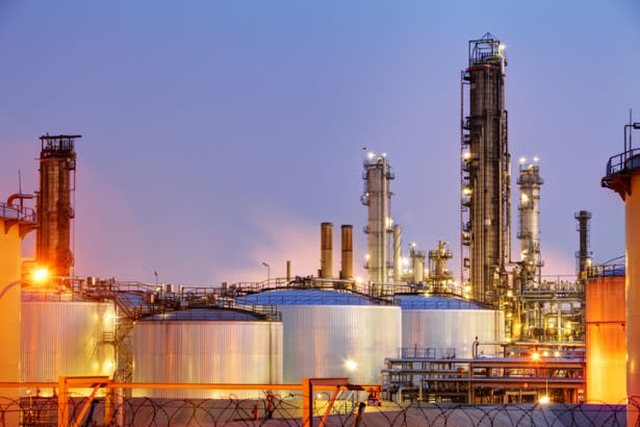
Qatar's energy minister has warned that war in the Middle East could "collapse the economies of the world," predicting that all energy exporters in the Persian Gulf will halt production within days and push the price of oil to $150 a barrel.
Saad al-Kaabi told the Financial Times that even if the war ended immediately, Qatar would need “weeks to months” to return to its normal supply cycle after an Iranian drone attack on its largest liquefied natural gas plant.
Qatar, the world's second-largest producer of LNG (Liquefied Natural Gas), was forced to declare a state of emergency this week after the attack on the Ras Laffan plant. Although Qatar exports a small portion of its gas to Europe, the minister said the continent would feel great pain as Asian buyers would outbid Europeans for any available gas, while other Gulf countries would be unable to meet contractual obligations.
“Anyone who hasn’t declared a state of emergency, we expect to do so in the coming days if this continues. All exporters in the Gulf region will have to declare one,” Kaabi said. “If they don’t, at some point they will face legal liability, and that’s their choice.”
Kaabi's comments reflect growing concern in the Gulf about the economic fallout from the US-Israeli war with Iran, which has wreaked havoc in the oil-rich region. Brent crude rose 2.5% to $87.6 a barrel on Friday morning in Europe, its highest level since the conflict began. Gas prices in Europe rose 5% but remained below the week's high.
Kaabi warned: “This will bring down the economies of the world. If the war continues for several weeks, GDP growth around the world will be affected. Energy prices will increase for everyone. There will be shortages of products and a chain of factories that will not be able to supply.”
He said that while Qatar's naval operations were not damaged, the consequences on land were still being assessed. "We don't know the extent of the damage yet, as it is being assessed. It is not clear how long it will take to repair," he added.
The minister added that Qatar's $30 billion project to increase production capacity at the North Field gas field from 77 million to 126 million tons per year by 2027 would be delayed. First production was scheduled for the third quarter of this year.
Kaabi predicted that oil prices could reach $150 per barrel within 2–3 weeks if tankers and commercial ships are unable to pass through the Strait of Hormuz, a key shipping route through which a fifth of the world's oil and gas passes. He also predicted that gas prices could rise to $40 per British thermal unit, nearly four times higher than before the war.
The Strait of Hormuz has been blocked since the US and Israeli attacks on Iran. At least 10 ships have been hit, insurance premiums have soared and ship owners are reluctant to risk their crews. US President Donald Trump and Israeli officials have warned that the war could last weeks.
Kaabi said production in Qatar will not resume until there is a complete cessation of hostilities. “We will not put our people in danger,” he said.