Is this police force professional and capable of handling violen...
/ 2026-10-16 18:54:07Focus


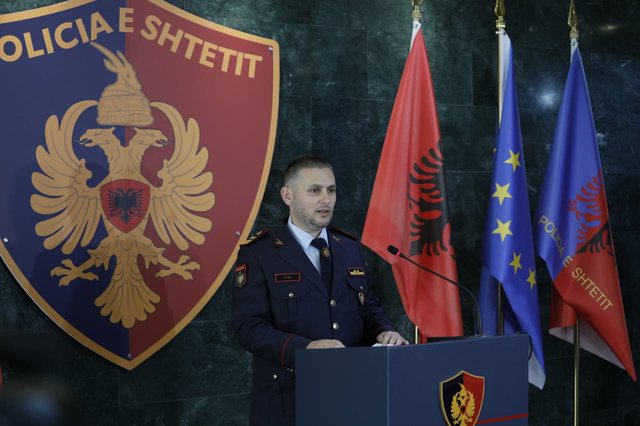
I almost couldn't believe my eyes and ears a few minutes ago when I saw the Director General of the State Police giving a LIVE press conference.
I don't remember when the last press conference took place.
And when I say press conference, I mean like today's, without reason, simply public reporting and not to advertise an international police action that has been carried out in recent years.
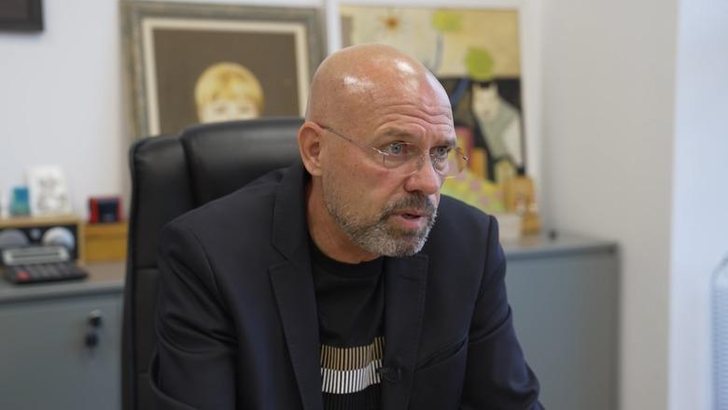
Skënder Hita will be remembered for a press conference after a long, long time, and according to him, this will be monthly.
I really call it an event. But this is not a novelty. It is a return to the identity when long ago his predecessors gave press conferences and answered journalists' questions.
In fact, few people know today that journalists once participated in all annual police analyses from the center to the base. A practice that is not even perceived today, as if they were analyzing uranium enrichment and not the work of the police, which should be transparent with the public.
For almost 13 years, the police chief had become a titular figure who, despite the good work he could do, seemed to be locked away in a tower. Even photographs of him were hard to find, except when he was participating in government activities.
For a journalist to directly ask a police chief about a certain event, this could happen either if he was a favorite or if the chief himself was interested. This led to the police being separated from the media for many years, which for many, many years, even though it had many problems, had been an ally of it. There are many stories where the media has been forced to provide news from the simplest sources when it was not at all necessary to be so.
This became so ridiculous that some colleagues started calling an investigation even a simple news report that the police could have easily given in an official communication. The reason why the police broke the tradition created over the years can only be guessed at. A group of police officers but also politicians who led the Ministry of Order called transparency dangerous.
In fact, it had the opposite effect. Many news stories published in the media required a written response from the police because they were inaccurate or for certain interests. This energy wasted unnecessarily to clarify the news could have been saved if a practice had been followed for the head of the department to appear before journalists once a month and answer every question.
This practice, which is more than normal in the West, has already returned and we just need to evaluate it and ask the right questions at that conference. In an experience I had in the US years ago, the press conference there of every city police chief was the most normal procedure.
In fact, considering the media as a close ally, the police had equipped all the crime reporters with special radios and they would immediately receive the news they needed and with that radio signal they would go to the scene.
At that time, I proposed this idea of special radio equipment to some of the headlines, but while some liked it but did not implement it, some looked at me surprised as if it was my invention.
However, in Albania, instead of progressing, we went backwards. The breakdown of the police-media relationship damaged the police, but it also damaged the media itself.
Journalists no longer had an official version of the news that controlled their information, as they had before. But the technique of news sources turned into a mish-mash, with each claiming ownership of the truth. In fact, the ownership of an official news story belongs to the police.
If journalists find untruths or distortions, they have the right to refute the police data against evidence and facts. This is where the professional journalist begins to separate from the amateur one.
Therefore, I see the return to this tradition of the press conference as a good omen. And for this, a big bravo to the new police director.
I just hope that one day some boss doesn't come out and order the director to stop following him because he didn't like a certain expression. This moment will be another challenge for Director Hita, in addition to the others he has from morning to night.