Is this police force professional and capable of handling violen...
/ 2026-10-16 18:54:07Focus


Federico Rampini – Corriere della Sera
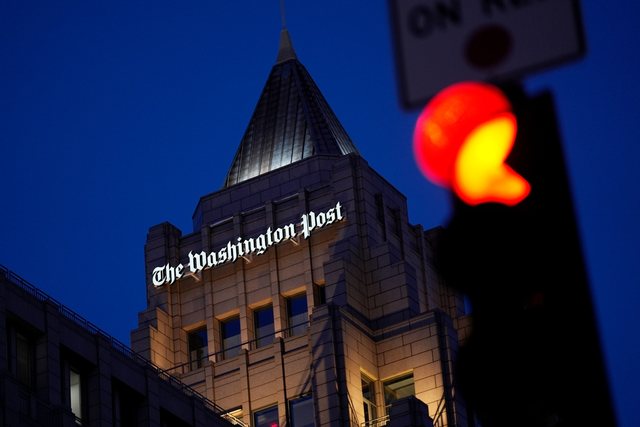
The Washington Post crisis is the one that makes the most news, because it hits the capital's newspaper, which occupies a special place in the pantheon of the American press, for the role it played in the overthrow of President Richard Nixon with the Watergate scandal (1974).
Moreover, its owner is Amazon's Jeff Bezos, accused of wanting to get closer to Donald Trump, and even suspected of aiming to weaken opposition to the president from his own journalists. But this is just the latest chapter in an older, broader, and multi-caused decline.
In early February 2026, the Washington Post announced a drastic reduction in staff, about a third of its total staff, with hundreds of layoffs in the editorial department. Areas affected included, among others, sports, books and some international coverage, as part of a restructuring aimed at making the newspaper financially sustainable.
In the wake of the layoffs, several journalists publicly called on Jeff Bezos to intervene to stop or mitigate the staff reductions. His silence was perceived as significant, as the owner and ultimate decision-maker of the company's strategy.
The union representing most of the Post's employees denounced a progressive "emptying" of the newspaper, arguing that the cuts would compromise the credibility and quality of information. Some union representatives stated that, if Bezos no longer intends to invest in the newspaper's mission, the Post would deserve another owner willing to do so.
Former director Martin Baron also spoke about one of the darkest moments in the newspaper's history, criticizing some recent ownership choices, considered harmful to the brand and editorial identity.
But the great crisis of American journalism had begun before Trump returned to the White House. Among the victims were newspapers as prestigious as the Washington Post.
In January 2024, the Los Angeles Times cut at least 115 newsroom jobs, more than 20% of its editorial staff, in the face of estimated annual losses of between $30 million and $40 million. Until recently, the newsroom had more than 500 journalists, but falling advertising revenue and market difficulties forced a drastic reduction. However, the Los Angeles Times of January 2024 was long a shadow of its former self: until the 1990s, before the advent of the Internet, it had been a giant that rivaled the New York Times in its network of foreign correspondents.
The Boston Globe, famous, among other things, for its investigative journalism that exposed pedophilia scandals in the local church, is often cited as one of the relatively more successful cases in the digital transition among large local newspapers. However, print circulation has fallen by more than 50% compared to the pre-pandemic period. Even the growth of digital subscriptions, which initially partially offset the losses, has slowed in recent years.
The Chicago Tribune, another newspaper with a (distant) glorious past that ended up under the control of Alden Global Capital, has become a symbol of criticism of the investment fund model accused of “squeezing” newsrooms. During a strike in 2024, it was recalled that the staff had fallen from over a hundred journalists to fewer than eighty in a few years. Print circulation has also continued to decline in double digits.
The decline of the San Francisco Chronicle dates back to the beginning of the millennium. Not coincidentally, being in the capital of Silicon Valley and the big technology companies (Big Tech for short), it was among the first to suffer the shock of digital competition. In 2007, it announced a plan to cut 25% of its editorial staff. In the following years, the Hearst ownership used voluntary exit schemes several times to reduce costs, in a context of falling revenues. The irony of history: the publishing group of the San Francisco Chronicle was founded by William Randolph Hearst, the press tycoon of the early 20th century, who inspired the character of “Citizen Kane”, the film masterpiece by Orson Welles (“Quarto Potere” in Italy).
Among the few publishers going against the grain today is Rupert Murdoch. He has decided to expand his New York Post tabloid model to California, with the launch of a new newspaper, the California Post, in print and online formats. The initiative was presented as an attempt to exploit the space left empty by the downsizing of traditional newsrooms in the state. The new paper adopts an aggressive and popular style, similar to the New York Post, and aims for a strong digital presence, with free online access, in contrast to the paid model of many competitors.
In a shrinking industry, Murdoch's operation represents an isolated case of expansive investment, based on the idea that the crisis of traditional media opens up opportunities for different, more market-oriented models. There is also a political undertone: despite repeated clashes with Trump, Murdoch's Post is a right-wing newspaper, at war with "woke" culture, and it seems to think it has a market in California, a bastion of the left.
Gazetat e famshme nuk e shterojnë panoramën. Peizazhi i shtypit lokal është veçanërisht i rrënuar. Në 20 vitet e fundit, gati 40% e gazetave lokale amerikane janë zhdukur, me mbi 130 mbyllje vetëm në vitin e fundit dhe zona të gjera të vendit që janë kthyer në “shkretëtira informacioni”, ku nuk ekziston mbulim i besueshëm i lajmeve lokale. Në Wyoming u mbyllën tetë gazeta njëherësh, duke lënë komunitete të tëra pa shtyp. Punësimi në redaksitë amerikane ka rënë në mënyrë drastike në dekadat e fundit.
Nga viti 2005 deri në 2025-ën, rreth 365 mijë vende pune në gazetat e përditshme janë zhdukur, ndërsa tirazhi dhe të ardhurat vazhdojnë të bien. Humbjet nuk kufizohen te gazetat e shtypura: edhe faqet digjitale dhe mediat online kanë bërë shkurtime dhe riorganizime, sidomos gjatë dhe pas pandemisë COVID-19.
Faktorët strukturorë të rënies janë të njohur: humbja e të ardhurave nga reklamat në favor të platformave digjitale si Google dhe Meta; reduktimi i abonimeve tradicionale; vështirësitë për të monetizuar përmbajtjen online; ndryshimi i mënyrës së konsumimit të lajmeve, me publikun që zhvendoset gjithnjë e më shumë drejt rrjeteve sociale dhe agregatorëve.
Por ka edhe nga brenda botës së mediave që ftojnë gazetarët në autokritikë dhe marrje përgjegjësie. Një rast autoritar është ai i Gerard Baker, britanik i natyralizuar amerikan, me një të kaluar si figurë kryesore e gazetarisë britanike (BBC dhe Financial Times), më pas për vite me radhë drejtor i Wall Street Journal, ku mbetet editor. Baker publikoi një aktakuzë të ashpër mbi problemet e brendshme të shtypit që, sipas tij, kanë kontribuar në rënie. Titulli i editorialit të tij është provokues: “Kërcënimi më i madh për gazetarinë? Gazetarët”. Disa fragmente:
“Mos ua hidhni fajin pronarëve grabitqarë për humbjen e besimit të publikut. Faji është i një informacioni të njëanshëm dhe të paaftë.”
A ekziston një kategori njerëzish me vetëbesim më të pakufizuar ose me vetëdije më të atrofizuar (tkurrur) se gazetarët amerikanë?
“Demokracia vdes në errësirë”, na thonë, duke lënë të kuptohet se vetëm pishtari i ngritur nga operatorët e guximshëm të mediave kombëtare mban ndezur dritën e lirisë në muzgun e një epoke autoritare. Është e vërtetë që, në mungesë të burimeve të pavarura dhe të besueshme, pushteti përqendrohet pa përgjegjësi. Por në këtë shpallje të domosdoshmërisë së vetes, nuk ka asnjë referencë për rolin që vetë gazetarët kanë pasur në minimin e besimit të publikut.
Nuk dua t’i bashkohem elegjive emocionale që po shkruhen për Washington Post-in pas raundit të fundit të shkurtimeve. Kam miq dhe ish-kolegë të talentuar që po përpiqen ta ringrejnë gazetën dhe u uroj çdo sukses. As nuk do t’i bashkohem kënaqësisë së disa kritikëve për qindra njerëz që kanë humbur punën. Njerëz të vlefshëm do të përballen me vështirësi, të paktën për një kohë.
Por dua të kundërshtoj idenë se pronarë pa zemër ose një menaxhim mizor kanë përdhosur një thesar kombëtar. Kundërshtoj edhe vajtimin më të gjerë sipas të cilit forca politike dhe ekonomike dashakeqe kanë minuar në mënyrë fatale vitalitetin e gazetarisë amerikane.
Ajo që i ka ndodhur Post-it është, pjesërisht, ajo që u ka ndodhur shumicës së organizatave tradicionale të lajmeve në 20 vitet e fundit, me një ose dy përjashtime të ndritshme: modele biznesi të tronditura nga kolapsi i reklamave, shumim i burimeve alternative të informacionit, specializim në rritje i zgjedhjeve të publikut. Ideja se tregu ka ende vend për dhjetëra gazeta të mëdha që ofrojnë produkte të ngjashme “nga A në Z” në një epokë shijesh të personalizuara dhe përmbajtjesh të fragmentuara është anakronike.
Por faktori më i rëndësishëm është roli që vetë gazetarët kanë pasur në rënien e besimit të konsumatorëve të lajmeve. Kudo që këta njerëz mblidhen (më besoni, kam marrë pjesë në shumë prej këtyre seancave “terapeutike”), ankesa është e fortë dhe e drejtuar nga jashtë. Qajnë për faktorët që, sipas tyre, i kanë çuar drejt braktisjes: “dezinformimi” i mediave sociale, propagandistët e djathtë, Donald Trump.
Tani paralajmërojnë se zvogëlimi i Post-it dhe i shumë burimeve të tjera më pak të njohura përfaqëson një kërcënim të drejtpërdrejtë për lirinë tonë, një dorëzim të mëtejshëm nga drejtues frikacakë përballë kërcënimit të Trump-it.
Sulmet e presidentit ndaj mediave janë të pajustifikueshme dhe shqetësuese. Por arsyeja kryesore pse ai ia del mbanë është se besimi në ndershmërinë e këtyre institucioneve ishte tashmë i shkatërruar nga puna e tyre e njëanshme. Lista e shtrembërimeve të fundit mediatike, nga komploti i pretenduar Russiagate te Black Lives Matter, është e gjatë. Por forma më e rëndësishme dhe më tinëzare e paragjykimit, sepse është vështirë e matshme, nuk lidhet me atë që lajmet tregojnë. Lidhet me atë që zgjedhin të mos tregojnë.
Gazetaria investigative është jetike, por për shumicën e gazetarëve personat dhe institucionet që duhet të mbahen përgjegjës janë vetëm ata që hyjnë në “demonologjinë” e tyre selektive: kompanitë dhe drejtuesit e tyre, të pasurit, politikanët e djathtë. Sindikatat? Burokracitë? Institucionet akademike? Shumë më pak.
Për të dhënë një shembull aktual të këtij rrëfimi selektiv, le të marrim mënyrën se si është trajtuar kohët e fundit çështja e emigracionit.
Si shumica e njerëzve, jam i tmerruar nga disa nga skenat e para në rrugët amerikane gjatë vitit të fundit. Mediat kanë bërë mirë që kanë denoncuar teprimet e ICE-së, dhe meritojnë vlerësim nëse kanë kontribuar në imponimin e një ndryshimi taktike nga Administrata.
But how many media outlets, in the last ten years, have shown how mass immigration has affected American communities? How many have covered the pressure on school and health care budgets? They have written a lot about the valuable contribution of these immigrants to the American economy, but how many have also considered the costs?
Thousands of illegal immigrants are in prison or detention for crimes unrelated to their immigration status. How many newspapers have devoted lengthy articles to those crimes or their victims?
Before the recent scenes of masked men pulling people out of cars in parking lots, Trump was doing exceptionally well among Latinos. When this fact was mentioned in the newspapers, it was often accompanied by a kind of bewildered disapproval; few reporters ever tried to understand what legal immigrants and their children think about the injustice of mass illegal immigration.
Our media market is still alive, but largely polarized along party lines. Despite the hysteria, it is not dead or dying, but has changed, in ways that make it more out of sync with its audience and less effective as an instrument of institutional accountability.
At precisely the moment when America most needed a trustworthy press to expose and denounce the excesses of an out-of-control executive branch, its operators have abused the public's trust.