Is this police force professional and capable of handling violen...
/ 2026-10-16 18:54:07Focus


James Landale – BBC
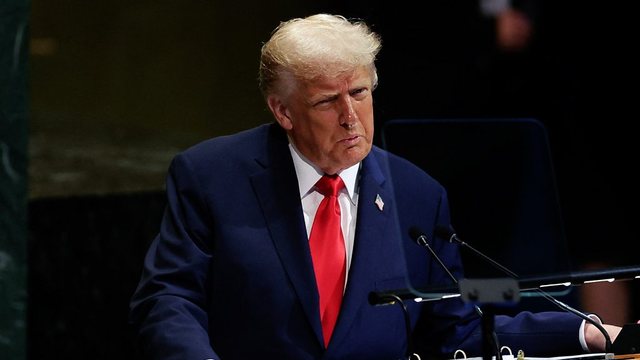
Donald Trump's speech at the United Nations was one of the clearest expositions of how he sees the world, his ideology in its rawest form.
To his supporters, it will be seen as deactivated Trumpism; to his critics, deregulated Trumpism.
For nearly an hour, he attacked his opponents and their ideas, criticizing them one by one as he toured the world. He began at home, praising the United States and himself. He said the US was living in a golden age and repeated his much-discussed claim that he had personally ended seven wars, something he argued deserved a Nobel Peace Prize.
But then the president criticized his hosts. The UN, he said, had not helped him bring peace. He questioned the organization’s purpose, saying it had tremendous potential but was not fulfilling it. All it did, he claimed, was write strong-worded letters that it did not follow through on. Empty words, he said, did not end wars.
He also attacked the UN for its assistance to asylum seekers hoping to enter the US, saying “the UN is supposed to stop invasions, not create them and not fund them.” The president even attacked the UN for a broken escalator and teleprompter that interrupted his visit and speech.
On one level, he's right. Many analysts question the effectiveness of the UN in resolving conflicts these days, pointing in particular to the gridlock in the Security Council and the body's unaccountable bureaucracy.
But on another level, Trump can be seen as both a cause and a symptom of the UN’s ineffectiveness; because he believes that global crises are best solved by powerful people like himself coming together and reaching an agreement, not by using multilateral bodies like the UN to craft collective solutions. Under Trump, the US has withdrawn most of the UN’s funding, leaving the body forced to cut back on its humanitarian work around the world.
Trump saved perhaps his biggest criticism for his European allies, attacking the continent for investing in renewable energy and opening its borders to migration.
"Europe is in serious trouble. They have been invaded by a force of illegal immigrants that no one has seen before... Both immigration and suicidal energy ideas will be the death of Western Europe," he said.
Ndryshimi i klimës, pretendoi ai me një psherëtimë të dëgjueshme, ishte “mashtrimi më i madh i kryer ndonjëherë në botë” dhe po i ngarkonte vendet europiane me kosto të larta energjie krahasuar me lëndët djegëse fosile. Ai kritikoi në veçanti qeverinë e Mbretërisë së Bashkuar për vendosjen e taksave të reja mbi naftën e Detit të Veriut.
“Nëse nuk i shpëtoni mashtrimit të energjisë së gjelbër, vendi juaj do të dështojë”, tha ai.
“Unë e dua Europën. I dua njerëzit e Europës. Dhe urrej ta shoh të shkatërrohet nga energjia dhe emigracioni. Ky përbindësh me dy bishta shkatërron gjithçka pas tij… nëse doni të jeni politikisht korrekt, po shkatërroni trashëgiminë tuaj”.
Vini re këtë pikë të fundit. Kjo i bën jehonë asaj që tha presidenti gjatë vizitës së tij shtetërore në Mbretërinë e Bashkuar javën e kaluar kur foli për rëndësinë e mbrojtjes së vlerave të asaj që ai e quajti “bota anglishtfolëse”.
Kritikat e zotit Trump ndaj Europës kanë një nuancë kulturore, një ndjesi se ai beson se imigracioni i pakontrolluar po kërcënon atë që ai e sheh si trashëgiminë judeo-kristiane të Europës. Jo rastësisht Trump është udhëheqësi i një administrate që e mban fenë e saj fort në mëngë. “Le ta mbrojmë lirinë fetare”, i tha ai OKB-së, “duke përfshirë edhe fenë më të persekutuar në planet sot – quhet Krishterim”.
Lidhur me një pikë specifike të politikës, paralajmërimi më thelbësor që dha Trump lidhej me luftën e Rusisë kundër Ukrainës. Ai tha se refuzimi i Presidentit Putin për t’i dhënë fund konfliktit “nuk po e bënte Rusinë të dukej mirë”. Ai tha se SHBA-të ishin të përgatitura “të vendosnin një raund shumë të fortë tarifash të fuqishme” për t’i dhënë fund gjakderdhjes. Por ai tha se kombet evropiane duhej të ndalonin së bleri energji ruse, duke pretenduar se vetëm dy javë më parë zbuloi se disa po e bënin këtë.
Në praktikë, Hungaria dhe Sllovakia janë të vetmit blerës thelbësorë europianë të naftës ruse. Diplomatët thonë se Trump po fshihet pas kësaj në mënyrë që të mos ketë nevojë të vendosë sanksione dytësore ndaj Indisë dhe Kinës, të cilat të dyja po blejnë sasi të mëdha të energjisë së lirë ruse, të cilat të dyja u përmendën nga Trump.
Ndoshta më i rëndësishëm se fjalimi i tij ishte postimi i Trump në rrjetet sociale pak kohë më vonë, ku ai pohoi për herë të parë se Ukraina mund të jetë në një pozicion për të rifituar të gjithë territorin e saj.
Shpërfillja e tij e Rusisë si një “tigër letre” dhe jo si një “fuqi e vërtetë ushtarake” do të dëmtojë Presidentin Putin, i cili është i ndjeshëm ndaj çdo sugjerimi se vendi i tij nuk është një lojtar global. Diplomatët thanë se ky ishte shembulli i fundit i udhëtimit të Trump drejt një pozicioni që është më kritik ndaj Rusisë.
Por gjithmonë duhet t’i trajtojmë fjalët e Trump me një dozë kripe. Ai ishte optimist vetëm pak çaste pasi takoi Presidentin e Ukrainës Zelensky në OKB.
And he said that Ukraine could regain territory with EU and NATO support; there was no mention of US involvement. All the evidence in recent years is that this is a slow-digest war, and Ukraine would not regain territory from Russia without massive US military support.
So this was Trump undiluted; a defense of America and the nation-state, an attack on multilateralism and globalization, a stream of consciousness with dubious claims.
Six years ago, Trump's audience at the UN laughed at his sometimes unfounded assertions; this year they listened mostly in silence.
“I’m really good at this stuff,” he told world leaders. “Your countries are going to hell.”