Is this police force professional and capable of handling violen...
/ 2026-10-16 18:54:07Focus


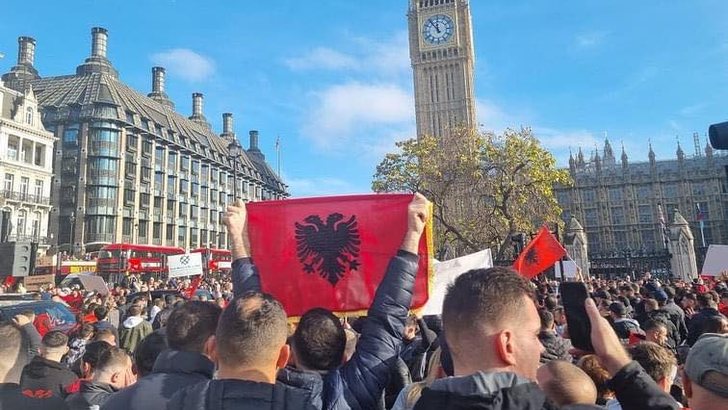
Except for the rain, the same scenario: The opposition announces the day and time of civil disobedience. Five main traffic junctions in Tirana are blocked for three hours.
Actors: The same protesters.
Objective: Technical government.
The result: Road blockages from rain and constant traffic, minor clashes with the police, driver frustration, and fiery headlines in the media.
Civil disobedience, when well organized and supported by broad public opinion, has served these three decades as a powerful mechanism for change. However, in this case, it seems that the opposition is not achieving what it aims for, because there does not seem to be popular mobilization. (See the participation in the protests of these days in Belgrade or Georgia and compare).
The biggest debates here for a long time have been about participation in the protest. The call was for participation from all over Albania, but blocking the roads with a small number of protesters does not convey the message of strength.
Traffic is a headache for each of the 800 thousand people living in Tirana. Even more so during the end-of-year holidays. Instead of protesting for the roadblocks, by blocking the roads the opposition risks turning even those who might have allies into opponents. Repeating the protest without bringing anything new diminishes its importance.
On the other hand, the actions of the police add to the theatricality of the event. The lack of clashes emphasizes the formal aspect of the protest. Both sides seem to be doing their “duty.”
Civil disobedience means consciously doing something against the law and facing the consequences. So when opposition leaders call on the police to do their job, they should keep in mind that this implies that they have the courage to face the law.
Instead of blocking roads that are almost blocked, the opposition can organize more visible and effective protests in public spaces. It can also block the offices of ministries, it can hold creative protests, marches or symbolic installations that can attract attention without distracting it and, above all, without angering the public.
Successful civil disobedience movements often involve a wide range of actors, students, workers, intellectuals, artists, etc.
Without making its cause more inclusive and tangible, the opposition can increase the number of protests, but not the number of protesters.
It's been more than 11 years since citizens have seen what the government has to offer. Now it's time for the opposition to offer an alternative.
This means a broad front, avoiding internal conflicts, and resonating with the people's concerns.
Protests are a breath of fresh air for any democracy, but their effectiveness depends on being in tune with the public.
The path to change does not pass through blockages, but through ideas, unity, and a clear and tangible vision.
The opposition still has time to decide whether it wants to be remembered for its blockages or for the paths it opens towards a better life for Albanians.
We would all like this second one, whoever the opposition is!