Is this police force professional and capable of handling violen...
/ 2026-10-16 18:54:07Focus


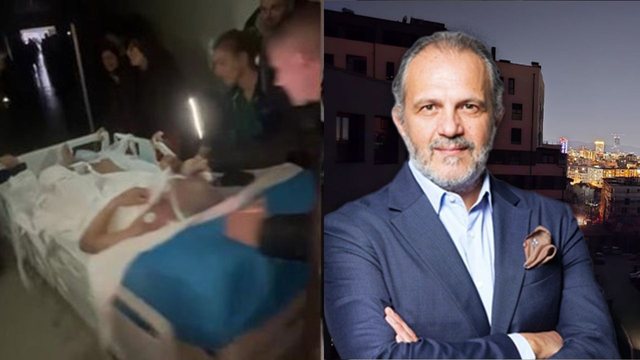
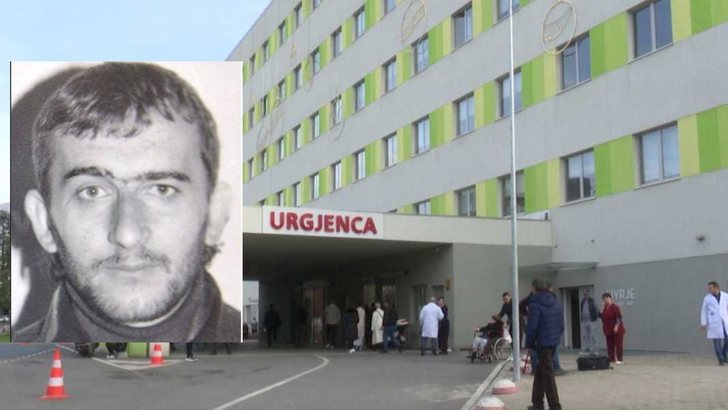
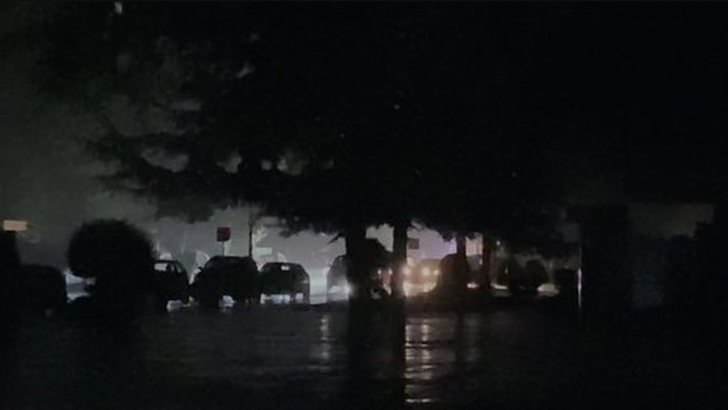
Mother Teresa University Hospital Center was left without electricity yesterday evening.
Psychiatrist Neli Demi has reacted to the event, writing in a post on social media that something like this cannot happen in a normal country.
According to him, such an event is called an institutional crime and that the lack of victims is blind luck, not a success of the system.
Full post:
The fact that resuscitation, emergency and vital services at the Mother Teresa University Hospital Center have been left without electricity is an institutional crime, not a “technical defect”.
This is a red line that has been crossed.
In no normal place:
• resuscitation
• intensive therapy
• operating rooms
ARE NOT LEFT WITHOUT POWER. EVER.
Not for seconds. Not for minutes. Not even “by chance”.
If patients have been taken out into the corridors, this means that:
• backup systems do not really exist,
• or are out of order,
• or have never been tested,
• or the managers do not trust them.
Each of these would be a criminal failure in the management of vital services.
Don't talk to us about:
• 110 kV lines,
• OSHEE,
• unexpected breakdowns,
• “it was for a few minutes”.
In medicine, “a few minutes” kill.
In resuscitation, seconds kill.
If there are no victims today, this is not a success of the system, but blind luck.
And a state that relies on fate to protect the lives of its citizens is not a state, it is a public danger.
This is not a technical problem.
This is a problem of criminal, administrative and moral responsibility.
We need
• an independent and public investigation,
• an urgent audit of UPS systems and generators,
• immediate publication of safety protocols,
• and removal of responsible managers, without excuses and without delay.
Resuscitation is not an “important” service.
It is the last frontier between life and death.
Whoever has left that frontier without energy
has failed in the most basic duty of the state: the protection of human life.
And for this they must be held accountable.