"Condemned" protesters?! Who trapped Rama inside the Prime Minis...
/ 2026-10-23 16:02:00Focus


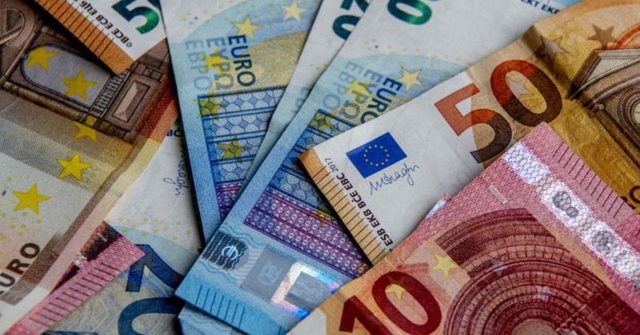
The Euro/Lek exchange rate started December with a slight decline. On Wednesday, the exchange rate hit a new all-time low of 96.59 Lek. This represents a very slight decline from the previous low of 96.6 Lek, which was recorded in October of this year.
The exchange rate performance has shown that the depreciation pressures on the common European currency have continued throughout 2025. Foreign exchange market agents explain this trend with the stable supply of the European currency in the foreign exchange market. This trend has been particularly pronounced after the third quarter of the year.
According to information from the Bank of Albania, the volume of foreign exchange trading increased by 24.4% compared to the third quarter of last year.
The increase was even higher compared to the 21% increase in the third quarter of 2024. This indicates that the increase in exchange volume can be largely attributed to the seasonal effect of tourism. However, market agents continue to perceive a significant effect from foreign exchange inflows related to informal or illegal activities.
The increase in the volume of exchanges is an indirect indicator of the fact that more foreign currency has entered the economy.
Although the Lek has continued to strengthen, the annual appreciation has decreased significantly compared to the rates recorded in the previous two years. Currently, the Euro - Lek exchange rate is down 1.8% compared to the same day last year.
However, the slowdown in the decline of the Euro is linked to the interventions of the Bank of Albania in the foreign exchange market, to prevent further appreciation of the domestic currency. According to information from the Bank of Albania, for the first 9 months of 2025, foreign exchange purchases in the domestic market have reached approximately 800 million euros. At such a pace, it is very likely that by the end of the year the amount of purchases will exceed the record level of 933 million euros recorded during 2024.
The Bank of Albania has justified its interventions with the inflation target, which in the last two years has been below the targeted level of 3%.
However, such a policy is facing criticism from the International Monetary Fund (IMF), which in its latest statement recommended that the Bank of Albania should reduce its interventions in the foreign exchange rate. According to the IMF's mission, the exchange rate should act as a shock absorber with greater flexibility, while further accumulation of reserves should be guided by a cost-benefit analysis.
IMF staff analysis suggests that the appreciation of the real exchange rate of the Lek is driven primarily by fundamental factors, with speculative financial flows playing only a modest role.
Consequently, the IMF recommends that the Bank of Albania should allow greater exchange rate flexibility and rely on interest rates for price stability, while foreign exchange market interventions should be reserved for rare cases of non-fundamental shocks. The IMF judges that the benefits of reserve accumulation should be weighed against the increasing opportunity costs, interest rate risks, and potential losses from currency revaluation.
On the other hand, the strong Lek this year has been partly supported by the fiscal policy pursued by the government. At the end of the 9-month period, the budget balance was positive, at 49.2 billion Lek. The high budget surplus has reduced the supply of the local currency in the market and has further fueled its appreciation tendencies.