"We are drowning..." - From Lisbon, Milan to Tirana, "The Guardi...
/ 2026-10-18 23:13:32Focus


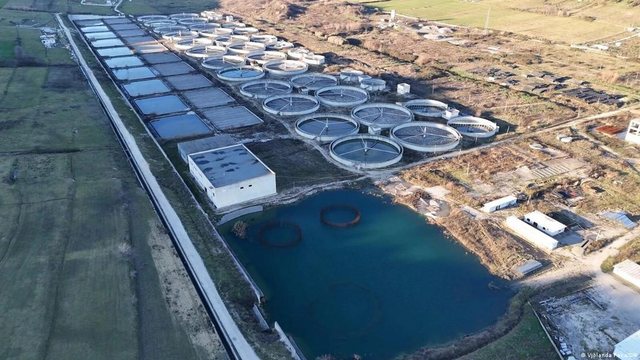
Urban wastewater treatment should be a public, centralized, and monitored function. Its fragmentation into hundreds of individual plants increases the risk of silent pollution.
In late 2023, Albania woke up to an “environmental emergency.” The government warned that waters along the coast were being polluted to alarming levels, threatening public health and the country’s tourist image.
The solution was announced quickly and decisively: a normative act as an urgent intervention to stop coastal pollution. But while the emergency was declared in the name of the environment, the consequences fell elsewhere.
Just a few weeks later, a joint directive from the two ministries, the Ministry of Infrastructure and Energy and the Ministry of Tourism and Environment, forced tourist operators along the coastline to install private wastewater treatment plants, even when these businesses were connected to the public water supply and sewage network and regularly paid for this service. The imposed cost ranged from 40 thousand to 150 thousand euros per entity, an unaffordable burden for many small and medium-sized operators.
Massive checks and fines at the peak of the tourist season
"The task force inspectors launched massive checks at the height of the tourist season. They imposed selective fines, often without giving clear explanations," says the owner of a small hotel in the south, who does not want to be identified.
Dozens of businesses were thus faced with two choices: to urgently invest in private plants or face penalties that risked closing down their activities. And while the official narrative was clear: whoever opposes the measure opposes environmental protection, the practice of implementation on the ground shows a different reality. Under the banner of environmental protection, a mechanism was built to extort money from the pockets of many tourist businesses, so that it would go into the pockets of only a few firms that sell wastewater treatment plants. And the “environmental emergency” began to take the form of another crisis: economic and legal for thousands of operators.
According to open data, since the adoption of the normative act on the protection of waters from pollution by entities at the end of 2023 until August 2025, a total of 115 administrative measures have been imposed, while the market for private plants flourished at a suspicious pace.
Many of the tourism businesses went to court because they had been fined, even though some of them had contracts with private operators for the installation of plants, or with the water supply and sewage company for the processing of wastewater.
Urban water treatment not in line with European standards
Ekspertët mjedisorë paralajmëruan se modeli i imponuar nuk përputhej me standardet europiane. Trajtimi i ujërave urbane, sipas legjislacionit të BE-së dhe praktikave të konsoliduara, është funksion publik, i centralizuar dhe i monitoruar. Fragmentimi i tij në qindra impiante individuale jo vetëm që nuk garanton përmirësim të cilësisë së ujit, por rrit rrezikun e ndotjes së heshtur dhe e bën kontrollin institucional pothuajse të pamundur – thotë Olsi Nika nga organizata Eco Albania.
Ndërkohë ndotësit kryesorë të ujërave, shkarkimet urbane të patrajtuara, impiantet publike jofunksionale dhe ndotja industriale, mbetën jashtë fokusit të emergjencës. Në vend që të investohej në riparimin dhe ndërtimin e impianteve publike, barra u zhvendos te një kategori e caktuar biznesesh, kryesisht ato bregdetare.
Ujërat e ndotura nuk njohin kufij administrativë apo sezonalë. Ato mblidhen në rrjetet urbane, përshkojnë pellgjet lumore dhe derdhen në det, pavarësisht origjinës së tyre. Sipas mendimit te ekspertëve fakti që masat nuk u morën me ndotjen urbane në brendësi të territorit te vendit, as me shkarkimet industriale apo funksionimin e UK-ve joefikase, të bën të mendosh se qëllimi nuk ka qenë pastrimi sistemik i ujërave, por vendosja e një barre të drejtpërdrejtë mbi një kategori të caktuar biznesesh.
Po ashtu ekspertët mjedisorë theksojnë se decentralizimi i trajtimit të ujërave përmes impianteve individuale rrit rrezikun e mosfunksionimit, e bën monitorimin institucional praktikisht të pamundur dhe krijon një efekt kumulativ ndotjeje, që në shumë raste mund të jetë më i dëmshëm se sistemi ekzistues publik.
Rënie e investimeve për impiantet e trajtimit të ujërave të ndotura
Në vitin 2023, kur u iniciua nisma e qeverisë që ia kalonte barrën sektorit privat për trajtimin e ujërave të ndotura, Shqipëria u promovua si një histori suksesi turistik me mbi 9 milionë vizitorë, ndonëse cilësia e ujërave të larjes arriti nivelin më të keq në dekadën e fundit. Sipas një raporti të Kontrollit të Lartë të Shtetit investimet në impiantet e trajtimit të ujërave të ndotura urbane kanë ardhur në rënie nga viti në vit, ndërsa fondet publike janë përdorur kryesisht për të mbajtur në funksion impiantet ekzistuese, jo për të ndërtuar kapacitete të reja.
Impianti i trajtimit të ujërave të ndotura në Kashar
Sipas kuadrit ligjor ekzistues trajtimi i ujërave urbane është funksion publik, që realizohet nga shoqëritë e ujësjellës-kanalizimeve në varësi të bashkive. Vetë materiali shpjegues i Aktit Normativ nr. 8/2023 e pranon qartë se problemi kryesor lidhet me zonat: “që mbulohen pjesërisht me rrjet kanalizimesh” dhe ku subjektet “përdorin zgjidhje të papërshtatshme individuale, si gropat septike”.
Qeveria shqiptare ka investuar mbi 112 milionë euro për ndërtimin e impianteve të trajtimit të ujërave të ndotura, ndërsa 100 milionë të tjera janë shpenzuar për një impiant që nuk është funksional, si ai i Kasharit.
In the latest report of the European Environment Agency (EEA) of June 2025, which monitors natural waters – coastal, lake and river – Albania is ranked at the bottom of the list. Only 41.2 percent of the 119 analyzed sea, lake or river waters in Albania received a “passing grade” from the EUA.
DW