Is this police force professional and capable of handling violen...
/ 2026-10-16 18:54:07Focus


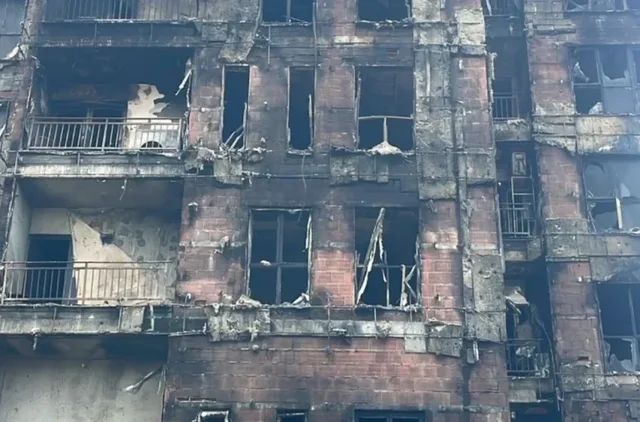
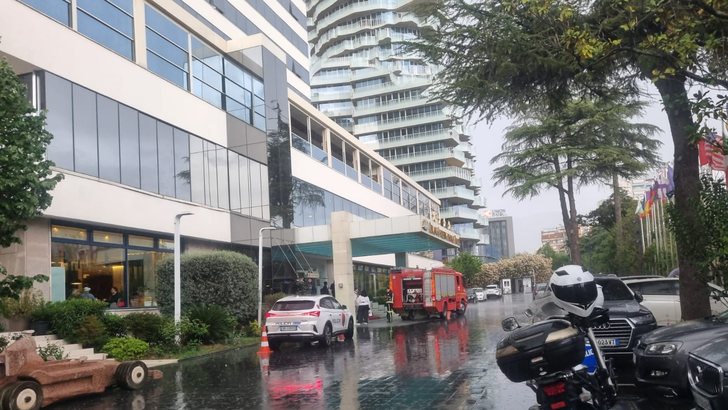
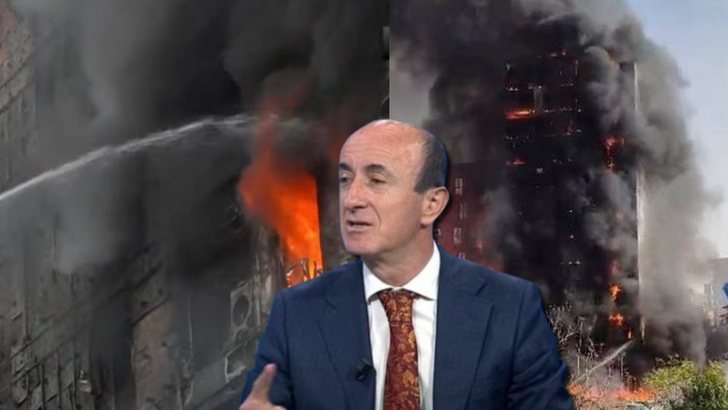
Smoke and hot steam continue to rise from the sooty entrance of the building in the area called "Farmacia 10" in Tirana, almost 24 hours after the fire that destroyed dozens of apartments and put hundreds of residents at risk since Tuesday afternoon.
Inside the crime scene cordon, firefighters, military forces and forensic experts are working on the ruins. On the other side of the bandages, the residents of the burned building stand in despair. Tired and sleepless, they await news of their fate, after seeing all their wealth consumed by flames in a matter of hours.
Berti, a 40-year-old carpenter, says that nothing is left of the apartment he bought in the dump for 1,100 euros per m2.
"I saw it so I went with the fire engine to open the door, it was all burned," he says, while smoking a cigarette in the courtyard outside the bar.
Others who fortunately were not in the building when the fire broke out and were unable to enter even after the flames were extinguished, wait with eyes wide open from the building and in the hope that their apartment may have been spared.
Those who were inside when the fire broke out are happy to have escaped alive. An elderly man with his hair singed by the flames told BIRN that he was able to get out in time and save his granddaughter. He later ended up suffocating in hospital and by morning was coughing up soot-coloured secretions.
Police reported 11 injuries, mostly from smoke, including firefighters and residents, while the cause of the fire is still under investigation. Police arrested the manager of a supermarket on the ground floor of the building on Wednesday, suspecting that leftover supermarket paper caused the flames. The administrator contracted for the building's maintenance and cleaning, the engineer who implemented the project, and the administrator of the company that built the facade of the building that burned down were also arrested.
The owner of the company "Arlis Ndërtim", Armand Lilo, the investor of the complex and the administrator of the company that carried out the construction works, was told that investigations had begun.
As strange and ironic as it may seem, the search for the culprits may not yield results beyond the supermarket employees and the building administrator, as construction specialists told BIRN that there are no legal regulations for the materials used in building facades, nor are there any legal regulations that oblige companies to use fire-resistant materials.
"The main problem is that everyone operates within a framework that does not oblige them to implement clear standards for facades. This regulatory vacuum situation also creates an illusion of security, as buildings are certified and approved, but without actually verifying the facade's performance in the event of a fire," said urban planner Doriana Musai.
Inxhinieri i ndërtimit, Erion Softa thotë se rreziku për qytetarët shkon përtej fasadave me materiale të djegshme, duke përfshirë mungesën e rrugëve për zjarrfikëset, mungesën e alarmeve kundër zjarrit dhe probleme të tjera.
“E gjithë kjo është një shkallim,” tha Softa për BIRN. “Nuk ka zgjidhje. Nuk ka shkelje, se s’ka ligj dhe s’ka rregullim”.
Përmes një deklarate për mediat, kompania “Arlis Ndërtim” e shpërndau përgjegjësinë ligjore te nënkontraktorët, duke theksuar se “ndërtesa ishte kolauduar me sukses në vitin 2021”. Kompania shtoi megjithatë se do të merrte përsipër përgjegjësi sociale dhe do të riparonte fadasën dhe apartamentet e dëmtuara.
Hijet e Grenfell në Tiranë
Pretendimet e ndërtuesve shqiptare për materiale me “certifikim europian” shpesh fshehin një rrezik që Europa e ka mësuar tashmë me kosto tragjike. Ngjarja në Tiranë sjell në vëmendje tragjedinë e kullës Grenfell në Londër në vitin 2017, ku një zjarr i nisur nga një pajisje elektrike në një apartament, shkrumboi godinën 24-katëshe brenda pak orësh, duke i marrë jetën 72 personave.
Ngjashëm me rastin e pallatit te “Farmacia 10”, hetimet atje provuan se shkaku i përhapjes fatale dhe të pandalshme të zjarrit ishte pikërisht veshja e jashtme e fasadës me panele dhe mbushje plastike lehtësisht të djegshme.
Tragjedia detyroi qeverinë britanike që të ndryshonte rrënjësisht ligjet e ndërtimit, duke ndaluar rreptësisht përdorimin e këtyre materialeve, por një rregullim i tillë ligjor mungon në Shqipëri.
Për banorët e dëmtuar, ishte fat që zjarri ra ditën dhe njerëzit ishin zgjuar, pasi flakët shpërthyen menjëherë.
“Fasada digjej si letër,” thotë njëri prej tyre dhe tregon se flakët rishpërthyen papritur edhe në 2 të mëngjesit të së mërkurës. Ai tregon se gjithçka u shkrumbua shpejt dhe në 10 minuta zjarri doli jashtë kontrollit.
Dyshimet për cilësinë e punimeve dhe sigurinë e godinës zor se marrin përgjigje. Në letra gjithçka është në rregull, ose të paktën kështu pretendon kompania.
Kompania Arlis Ndërtim deklaroi se punimet ishin kontrolluar dhe certifikuar nga organet kompetente, “duke garantuar përmbushjen e të gjitha kërkesave teknike dhe ligjore”.
Edhe kryeministri Edi Rama evitoi totalisht përgjegjësitë e ndërtuesit dhe kontrollorëve.
“Pallati që u dogj dje në Tiranë, do të rindërtohet 100% nga vetë ndërtuesi, pavarësisht se nga të dhënat paraprake shkaku i zjarrit s’ka asnjë lidhje me vetë ndërtimin!” shkroi Rama në rrjetin X.
Të mërkurën nuk pati gjithashtu diskutime për rregullime ligjore mbi materialet termoizoluese prej polistireni dhe poliuretani që aplikohen në fasadë, pavarësisht se ky është pallati i dytë i së njëjtës kompani që digjet në harkun kohor të katër viteve.
Nevojiten ndërhyrje ligjore
Ndryshe nga Rama dhe kompania e ndërtimit, urbanistja Musai i tha BIRN se përdorimi i materialeve lehtësisht të djegshme në ndërtimin e godinave të larta dhe mosplotësimi i standardeve antizjarr kishte përgjegjës në të gjithë zinxhirin, pavarësisht shkakut të zjarrit.
"Responsibility is a chain and starts from the designer and builder, to the supervisor, the inspector, and the institutions that issue permits and certification," she said.
Musai points out that in most new buildings, including the damaged complex, polystyrene and polyurethane are widely used as insulating fillers, often combined with composite panels for external cladding. These materials are massively preferred by builders because they are economical, easy to install and offer high thermal efficiency, helping to meet legal criteria for energy saving.
However, the high content of plastic derivatives means that upon contact with flame, these materials not only burn at an extremely high rate, but also melt, releasing toxic gases and acting as a direct fuel for the building.
"In Albania, these materials are applied without a clear technical protocol. The material is certified as an individual, but no one tests how the entire facade system behaves when faced with flames," said Musai.
According to her, this risk becomes more critical in tall buildings and urban complexes where the vertical spread of fire on the facade "is very rapid and difficult to control."
"For this reason, buildings can be of high quality in appearance and energy, but unsafe in the event of a fire," she said.
Softa also says that the use of these materials has made the city dangerous, while emphasizing that the country needs to change the system.
"I was the head of testing results at the Construction Institute. There is no ban on materials, all materials are allowed, as long as they are not radioactive," said Softa, calling for legal regulations.
According to Softa, the changes must be fundamental to guarantee safety in construction, including reforming the Construction Institute.
"The system needs to be healed and it is not healed by the prime minister saying that if you insured the building, you are fine," he said, adding: "that insurance is the same as fixing a mattress after death, life does not come back." (Reporter.al)