How Belinda Balluku is fabricating the rumor about Top Channel's...
/ 2026-10-19 16:19:00Focus


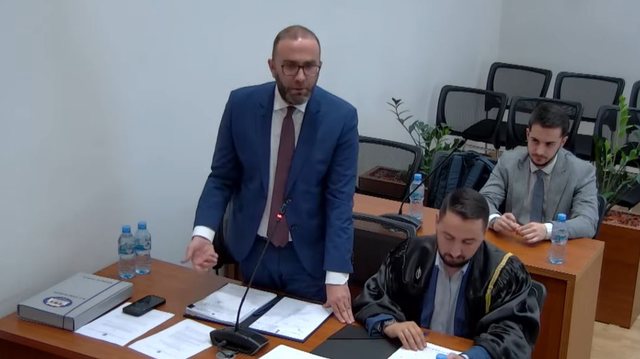
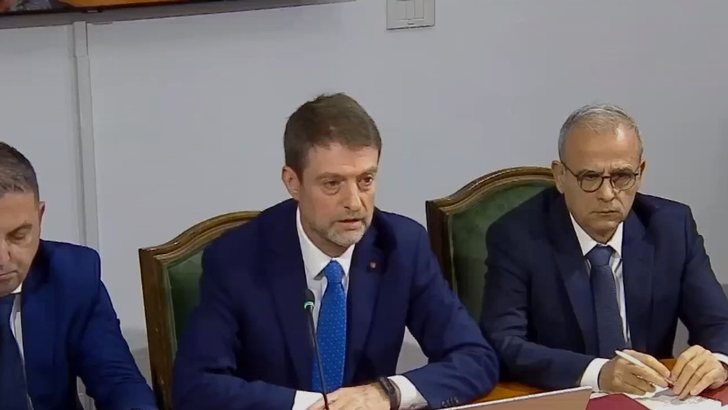
The Constitutional Court is reviewing the appeal filed by several DP deputies, regarding the refusal to establish two parliamentary investigative committees on the " McGonigal " case and the May 11 election process.
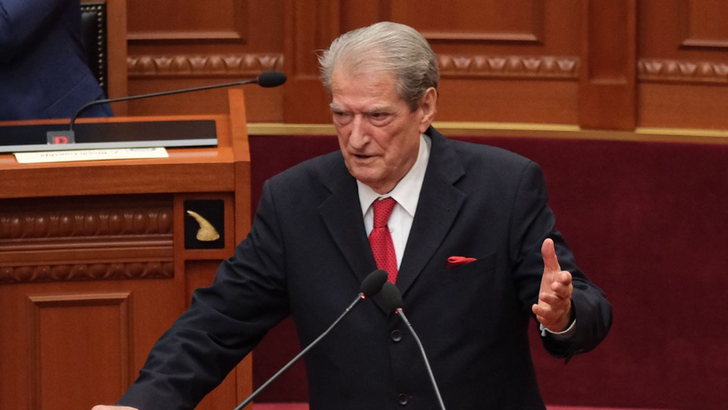
During the session, Bardhi stated that the opposition, according to him, has been continuously denied its parliamentary rights to exercise control and requests for information.
He argued that parliamentary investigative committees are constitutional mechanisms of control over the executive and not structures that replace the judiciary.
"We are not being granted any request for interpellation, any request for obtaining information. This judgment today in the Constitutional Court is related to the fact that we are in a Parliamentary Republic that functions according to the Constitution or a republic with the will of a party... We do not know your answer. At every stage of this process, we have been given a different reason. The Permanent and Special Parliamentary Committees are auxiliary bodies of the Assembly, while the function of an Investigative Committee has to do with control over the executive, it cannot be through mechanisms. Legal administrative or criminal liability is the competence of the relevant institutions that are carried out by law," he said.
Also during his speech, Bardhi added that: " In the plenary session we were told a lie, that no facts or evidence were presented that the Albanian authorities have committed illegal actions. I do not know that an investigation by the US State Department is political speculation. For me, there are official documents that legitimize the request for an investigation. There is official confirmation from the special prosecutor's office that they have launched the investigation, so there is data to launch a criminal investigation but there are no facts to launch a parliamentary investigation. The prosecution does not force us not to exercise our Constitutional competence ."