Protests, violence, curfews: From France to Albania, why Europe'...
/ 2026-10-20 23:47:20Focus


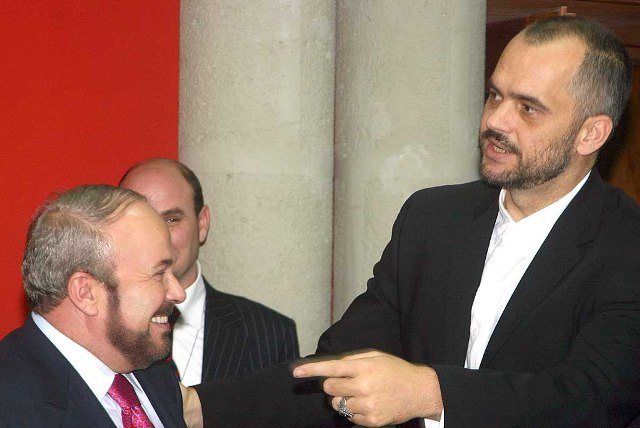
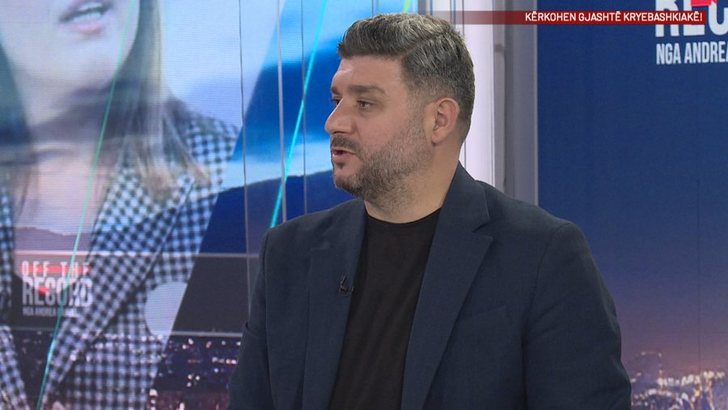
Former Socialist Minister of Industry and Energy, Viktor Doda, invited to Roland Qafoku's Dekalog show on DritareTV, has made an in-depth analysis of Fatos Nano's period at the helm of the Socialist Party, balancing assessments of his vision with criticism of the weaknesses that cost him power.
Starting with a strong 'mea culpa', Doda admitted that Albanians' expectations for the SP after 1997 were extraordinary. "We must apologize to this people for not fulfilling those expectations properly," he declared.
Delving deeper into Nano's figure, Doda described him as "20 years ahead of the party" in political terms, a leader who delegated power and accepted criticism.
However, he also identified the other side of the coin: "At times when he should have been very responsible, he was very irresponsible."
As a prime example of this 'irresponsibility', Doda revealed an unknown behind-the-scenes incident from 2003, during the height of the clash between Fatos Nano and Ilir Meta.
He told how Nano had asked him for advice and he had proposed a radical solution: early elections.
"I told him 'better a terrible end than endless horror'. The idea was to hold elections before Ilir created a party, because his party would take votes from us," Doda explained.
According to him, Nano initially liked the idea, but then withdrew on the grounds that the DP was weak and did not pose a threat.
"Fatosi neglected this cleverness of Mirditori. This was irresponsibility," Doda concluded, alluding that this decision paved the way for the defeat in the 2005 elections.
In a direct comparison between the two historical leaders of the Socialist Party, Fatos Nano and Edi Rama, former minister Viktor Doda has shared his views on the way each has led the party and the country. For Doda, there is no doubt: "The best Prime Minister of the entire transition period remains Fatos Nano."
Doda's main argument focuses on internal party democracy.
"Fatos was extremely democratic. He democratized the party a lot. No decision was made without discussing it with the base, in the parliamentary group, in the leadership. There were cases where Nano's decisions were also overturned," he explained, painting a party where debate was lively and decisions were collegial.
On the other hand, Doda sees the arrival of Edi Rama as a need of the hour to confront what he calls Sali Berisha's 'radicalism'.
"A strong figure was needed to confront Sali Berisha," he said. However, he notes a gradual change in leadership style.
"From 2005-2009, institutions were respected. Later, apparently with the development of information technology, he obtained the information himself and the decisions began to change."
Asked by the journalist how it was possible that his generation, which emerged from the Labor Party, was more democratic than today's politicians, Doda hinted that today there is a lack of will to oppose the leader, a trait that, according to him, was more present in the past.