How Belinda Balluku is fabricating the rumor about Top Channel's...
/ 2026-10-19 16:19:00Focus


From New York, Marko Caka
The sudden passing of beloved singer Shpat Kasapi has left a deep void in the hearts of the Albanian public. His music, his energy on stage, and the way he brought generations together in dance and celebration will forever remain part of our cultural identity. On this day of mourning for Albanian art, we bring a story that has rarely been told, a key moment in his career that presented him to the Greek public for the first time.
I knew Shpat Kasapi at the peak of his career. He was a talented, educated and extremely kind young man, one of those people who wins everyone's hearts at once. However, at that time, his career in Albania was going through a challenging period, especially after participating in "Top Fest".
But while his fame was rising in Albania and Albanian lands, his songs were starting to be heard more and more in Greece, not only by Albanian immigrants, but also by Greeks themselves, who liked his rhythm and modern folk-pop style. However, Shpati had never been presented in a Greek television studio.
When I learned that Shpati would be holding his first concert in Athens, one of the organizers asked me for help in promoting it. Knowing the Greek media and the hosts of major shows well, I knew that the ideal platform would be ANT1 Television, with its famous breakfast program “Proino Kafe”.
The show was hosted by Eleonora Meleti, a friend of mine and a well-known figure in Greece, now a member of the European Parliament. I called her, proposed the idea, and she not only accepted it, but was immediately enthusiastic that for the first time she would be presenting an Albanian singer on one of the most watched programs in the country.
When I got the confirmation, I called Shpat. He couldn't believe it. It was a long-standing dream of his, to appear on Greek television, and it was finally going to come true.
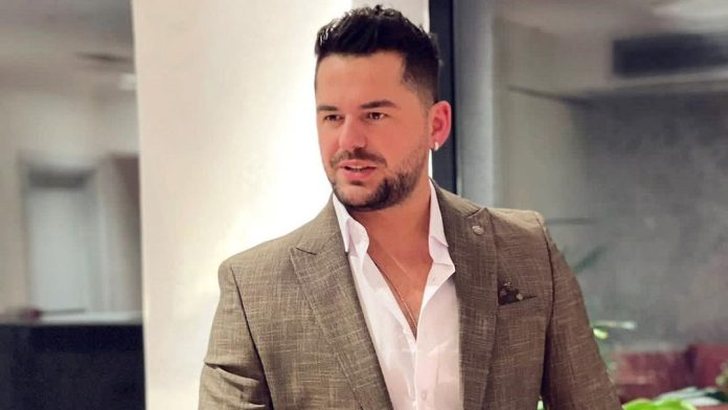
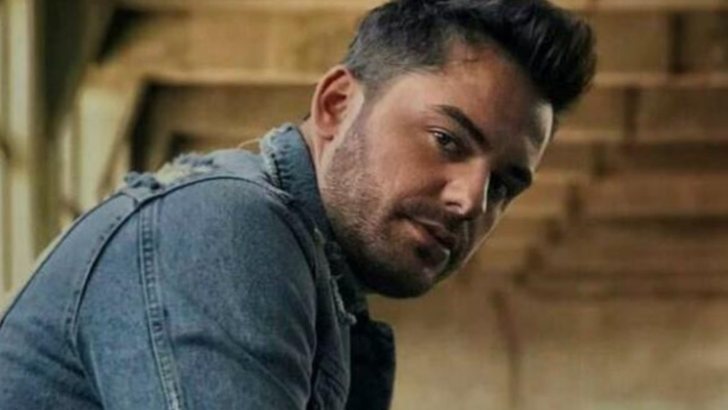
We arrived early at the ANT1 studios. From the moment we entered, Shpati's appearance, tall, charismatic and with an imposing smile, left Eleonora surprised. She didn't hesitate to immediately call him: "Saki Rouvas of Albania."
Even the subtitles of the show that day stated: “Sakis Ruvas tis Alvanias.” The interview part brought a small obstacle where Eleonora wanted to speak Greek, but Shpati did not know the language. He proposed that I translate directly in the studio. I hesitated, because I am not a professional translator, I told her,— but she assured me: “Don’t worry, we will not do philosophy. Just a little chat about his career, then he will sing.”
The interview went great. My translation was enough, while the compliments that Eleonora gave Shpati in front of millions of viewers raised his image and that of Albanians even higher. Afterwards, Shpati's performance left the Greeks speechless. After that show, for many days the Greek media and the public talked about his voice, style and beauty.
I tell this story today for the first time, because it best reflects the importance of Shpat Kasapi's image, not only as an artist, but as an ambassador of our culture. In a country where Albanians were often known only as hard workers, Shpat showed that our nation also has great artists, talented, beautiful on stage and extraordinary in spirit. That day in Greece was an indisputable peak of his international career, and a precious memory that today takes on another weight, bitter, but noble.
Shpat Kasapi will forever remain the voice that united Albanians and gave our music a shine that never fades, along with his favorite dance.