Is this police force professional and capable of handling violen...
/ 2026-10-16 18:54:07Focus


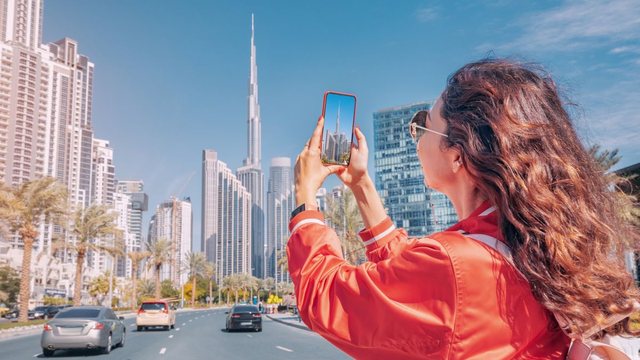
For people living near a war zone, the lack of sympathy for British and Australian expats – as well as influencers living in Dubai – has seemed somewhat strange. Ever since the city was hit by bombing in the early days of the war, the reaction to them in their home countries has been largely one of mockery and disdain.
In Britain, Liberal Democrat leader Ed Davey criticized "tax evaders and failed former footballers" living in Dubai who, he said, often mock ordinary Britons but now expect the British military to rescue them.
On the Good Morning Britain TV show, presenter Susanna Reid raised a direct question: if Britons have moved to Dubai to avoid taxes, shouldn't they pay for the evacuation themselves?
One of the most commented reactions came from Australian influencer Louise Starkey, who posted a video on Instagram as rocket explosions could be heard in the background. "This shouldn't have happened here," she said from the balcony of her Dubai apartment.
This sentence encapsulates a huge contradiction. “Here” is Dubai – a city built on luxury, where you can play mini-golf, shop at stores like Marks & Spencer and enjoy champagne brunches in luxury hotels. “This” is war: missiles, attacked airports, grounded flights and the fear of drone strikes.
In fact, the war has only made visible a reality that has always been there. Dubai's unwritten social contract is a kind of willful blindness to the suffering and violence that exists very close to it. Gaza, for example, is geographically very close.
Dubai’s model requires visitors and expats not to think too much about what happens beyond the city’s borders – or how it was built. Dubai’s construction industry has long been criticized for its kafala system, a sponsorship system that links the legal status of migrant workers to their employers, giving the latter great control over their lives and working conditions.
Influencers living in the city on so-called “golden visas” are part of Dubai’s marketing machine. They publish an aspirational version of the city to millions of followers on social media. At the same time, the country’s laws punish them with prison, fines or deportation if they publish content that touches on topics such as migrant workers, human rights abuses – and now, war.
In 2010, American urban planner Mike Davis published the book Fear and Money in Dubai, in which he described the city as a "strange paradise," built on gigantic projects, excessive luxury, and moral contradictions.
More than 15 years later, Dubai seems to have become exactly what it was designed to be: a "neoliberal dream world," a backdrop for Instagram posts for thousands of influencers who have arrived in the city to sell the image of a safe and luxurious paradise.
But behind this image lies a much harsher reality. The city was built by underpaid migrant workers, while the luxury displayed on social media is often temporary: cars are rented, helicopters for photos are booked by the hour, and the life that appears online is more a scenography than reality.
The war has only made the masks fall. It has revealed the vast gap between image and reality – and a growing fatigue with the influencer culture that for years sold a global fantasy called “Dubai.”/ The Guardian