"Condemned" protesters?! Who trapped Rama inside the Prime Minis...
/ 2026-10-23 16:02:00Focus


The use of copper in medicine was first recorded in the ancient Egyptian Smith Papyrus, around 3000 BC, within which copper was described as having disinfectant powers.
Within the Ebers Papyrus, from around 1500 BC, copper in multiple forms was recommended for a variety of ailments from burns to headaches.
But the use of copper for healing was not unique to Egypt. Drinking water from copper vessels was believed to prevent infections and purify the water, thereby avoiding diarrhea, in a variety of cultures, including the ancient Greeks, the Chinese, and within the Ayurvedic practices of India. The Phoenicians even used shavings from their copper-rich bronze swords to prevent infection in battle wounds.
The Greek physician Dioscorides recorded using a green pigment created by exposing metallic copper to vinegar vapor in eye treatments. The Hippocratic Collection recommended copper to treat leg ulcers. Copper has also been used in the treatment of intestinal worms, mouth ulcers and ear problems. The Aztecs reportedly gargled with a copper mixture to cure sore throats, while Mongol tribes treated venereal ulcers with copper sulfate.
Greek kylix copper drinking cup from 3rd to 2nd century BC. The Greeks believed that using bronze or copper cups had health benefits, providing medicinal properties. Copper is also known for its association with Aphrodite and was thought to enhance beauty and passion.
Copper's popularity as a panacea waned over the centuries due to advances in evidence-based medicine. As scientific knowledge grew, other supposedly more effective treatments were approved, and the potential toxicity of copper became apparent, with associated symptoms of vomiting, diarrhea, cramps, headaches, and even liver, kidney, or neurological problems.
Smithsonian magazine recently reported on a study of the antimicrobial effects of copper by Bill Keevil at the University of Southampton. After decades of testing how different viruses react to copper, he has proven that copper has a long-lasting anti-microbial effect, killing various pathogens within minutes. He has even recommended the use of copper on surfaces inside hospitals, such as tray tables, bed rails and IV poles, as copper has been proven to keep these surfaces clean of microorganisms.
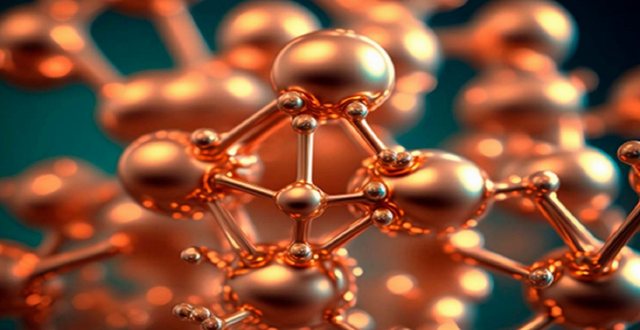
Copper has a special atomic composition that gives it this antimicrobial power, making it, in Keevil's words, a "molecular oxygen grenade."
When a microbe lands on the copper, the ions blast the pathogen like a missile attack, preventing the cells from breathing and punching holes in the cell membrane or viral coat and creating free radicals that accelerate the kill." It seems that, before the knowledge of existence. of viruses, germs or bacteria, the intuitive beliefs of the ancients realized that copper had disinfectant properties that could be used for healing. This is knowledge that can and should be put to good use in public spaces and in modern medicine today.