Is this police force professional and capable of handling violen...
/ 2026-10-16 18:54:07Focus


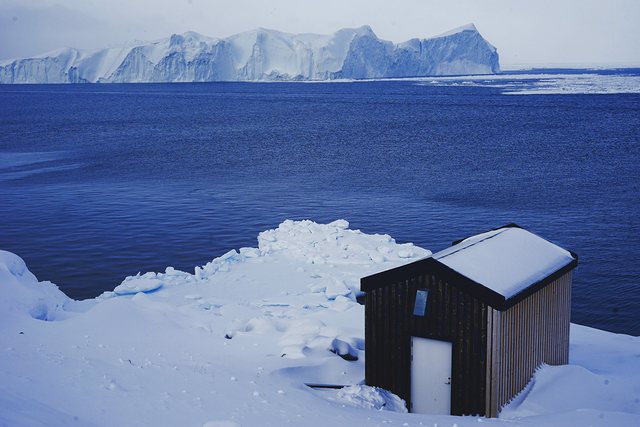
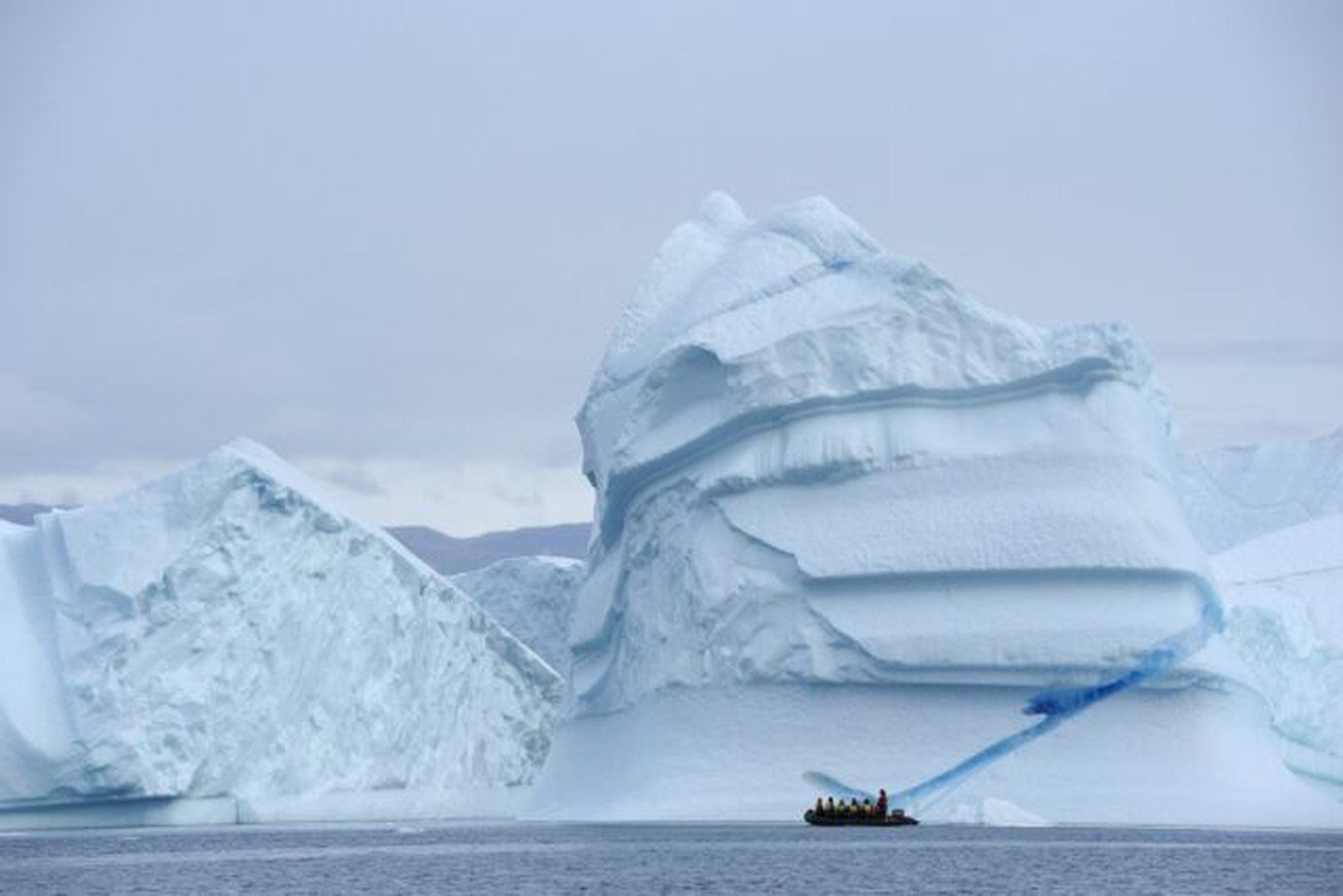
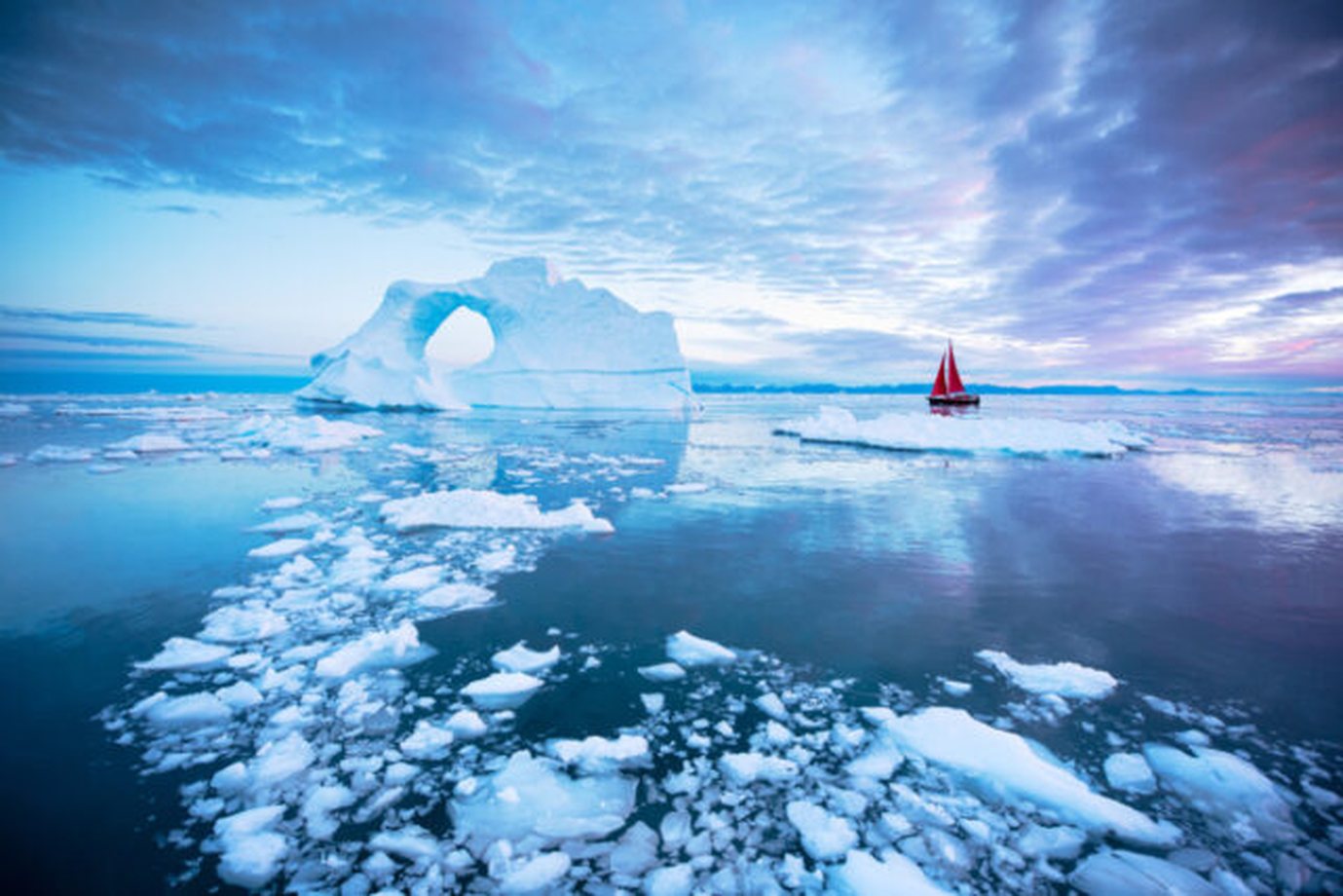
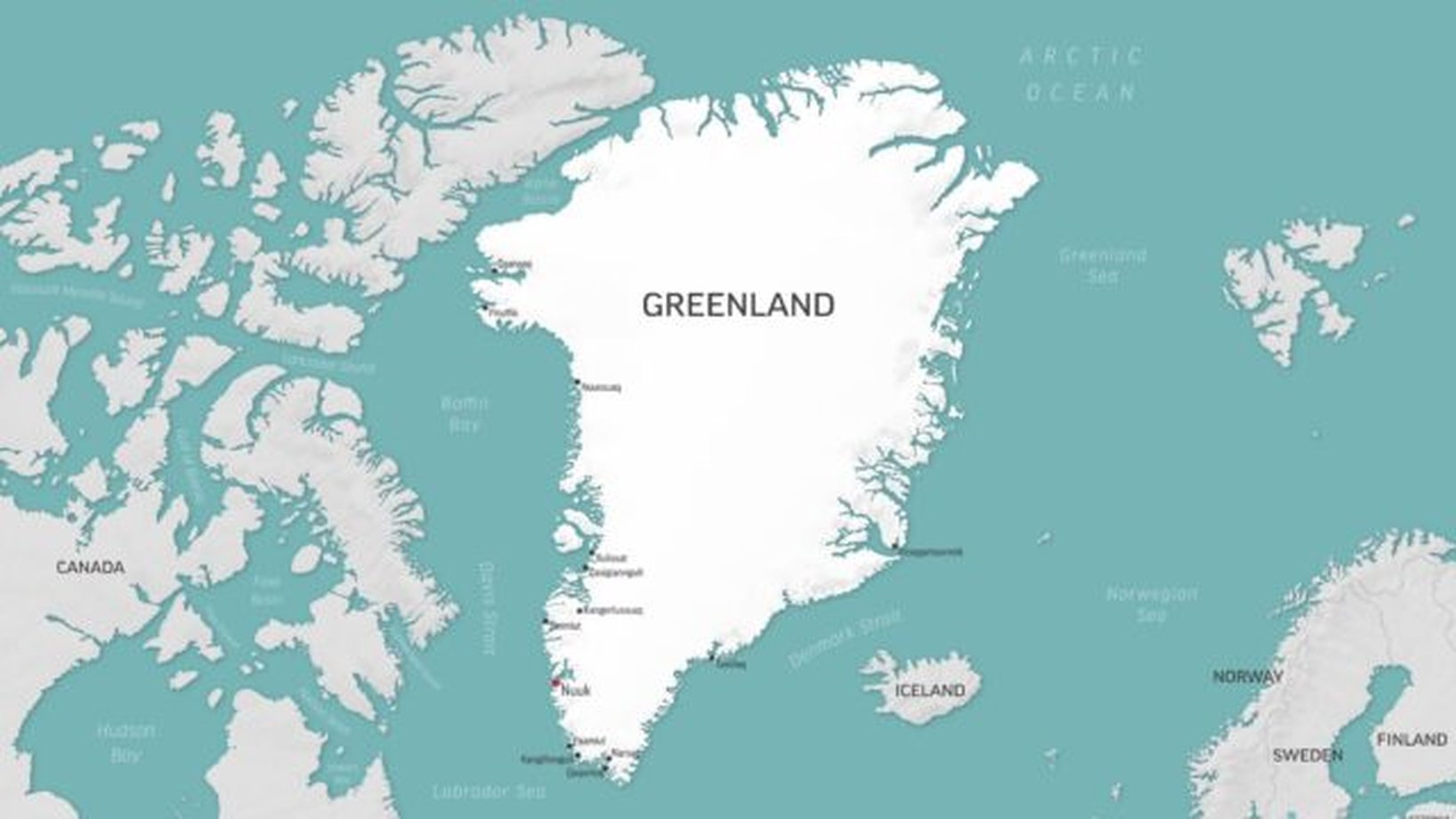
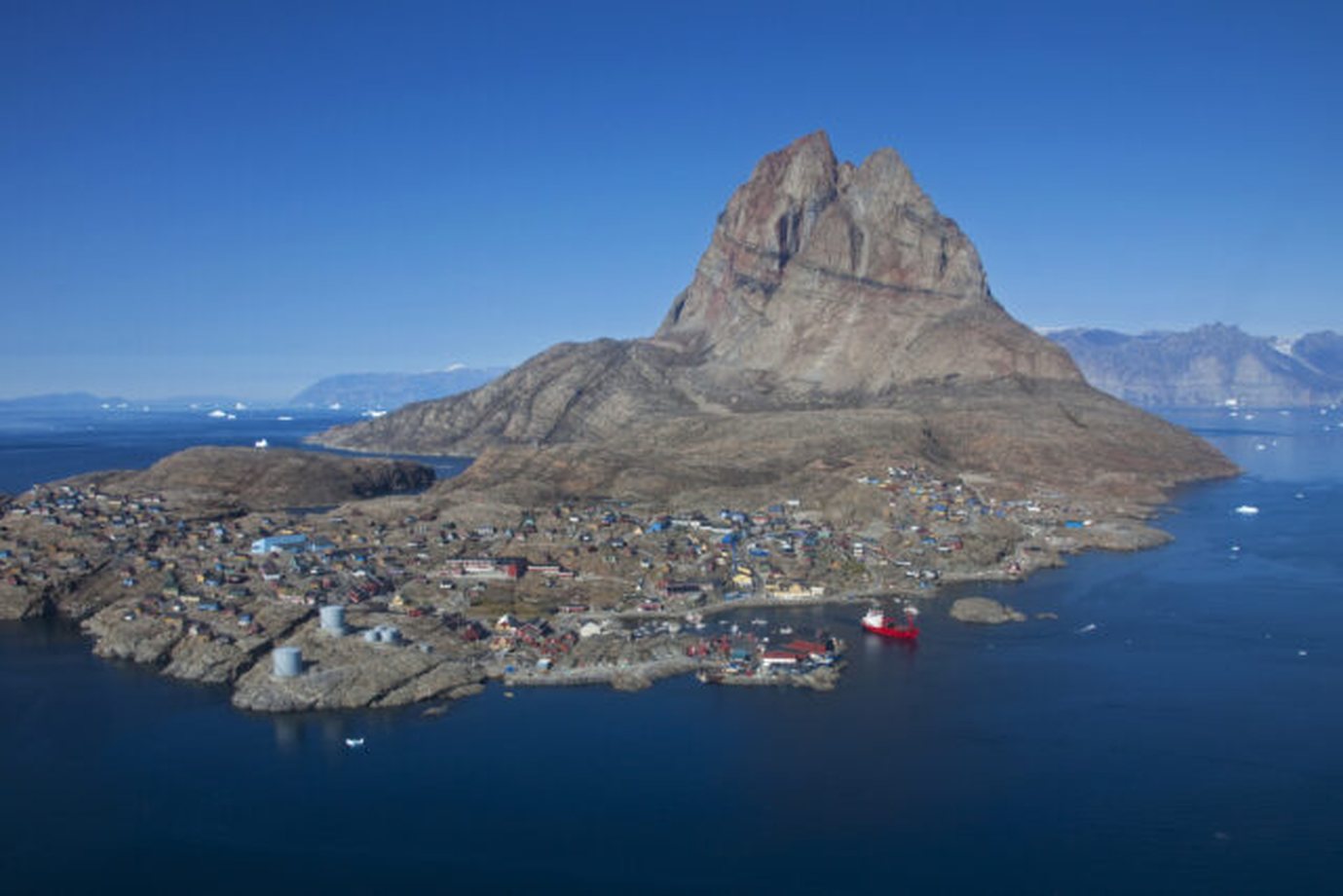
Greenland looks like a big white blob on a map at the northern tip of the Atlantic. An island big enough to take France, Germany, Spain and Italy together, but with a population smaller than the average Albanian city, about 55,000 inhabitants. The largest island in the world belongs to the Kingdom of Denmark, but it is not Denmark. It is not Europe, but it is not America either. And it is certainly not all ice, although 80% of its surface is covered by a layer of ice that is hundreds of thousands of years old. Greenland is a geographical and historical paradox, which until recently did not give much reason to seek it out. Donald Trump's obsession with this huge piece of land has turned the world's attention there.
A little history, geography, curiosities and some data about Greenland that has become the center of international attention
Her paradoxical name
“Greenland”, “Green Land”, in a place where greenery appears only for a few weeks in the summer and only on the southern coast. The name is attributed to Erik the Red, the Norwegian explorer who in the 10th century was expelled from Iceland and sought new lands. Marketing is not a modern invention: Erik knew that a catchy name would bring settlers. And indeed, many Vikings were tempted, boarded ships and when they found themselves in the frozen landscape they did not have the courage to turn back. They settled in southern Greenland for about five centuries, until they mysteriously disappeared. Perhaps due to the cold climate, economic isolation and the inability to adapt to a harsh world.
Its strange geography
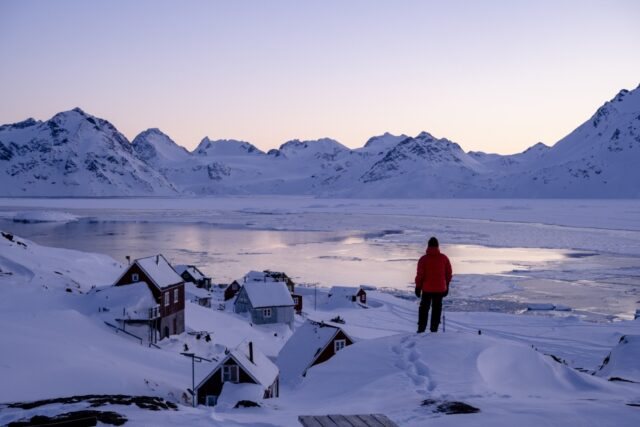
Greenland, although the world’s largest island, is actually a “mountain island.” If you were to remove all the ice, you would discover a landscape full of canyons and mountain ranges, with parts of it below sea level. The ice is not just a blanket; it presses the land down. As it melts, the island literally “rises up,” a phenomenon known as isostatic rebound.
capital
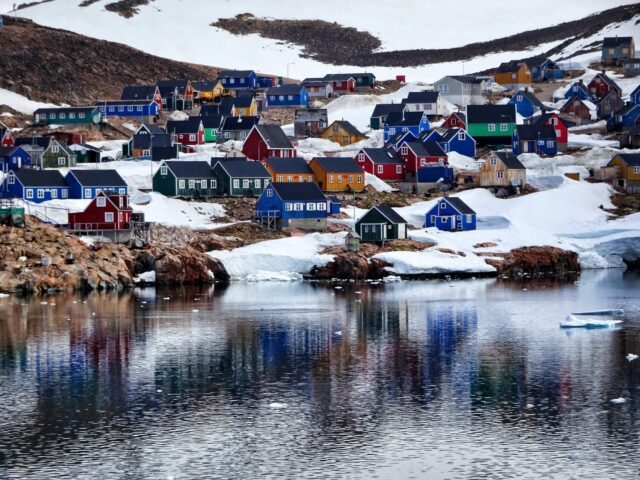
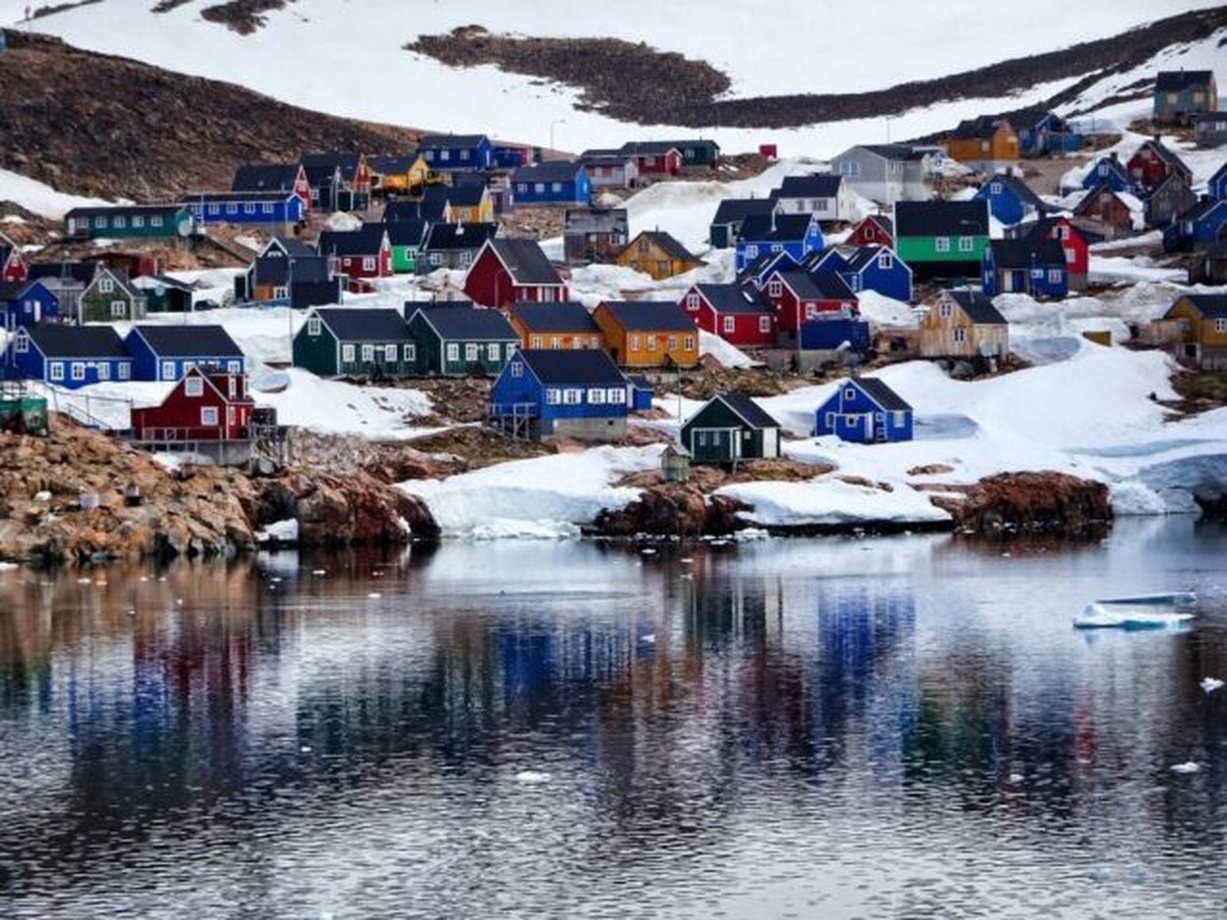
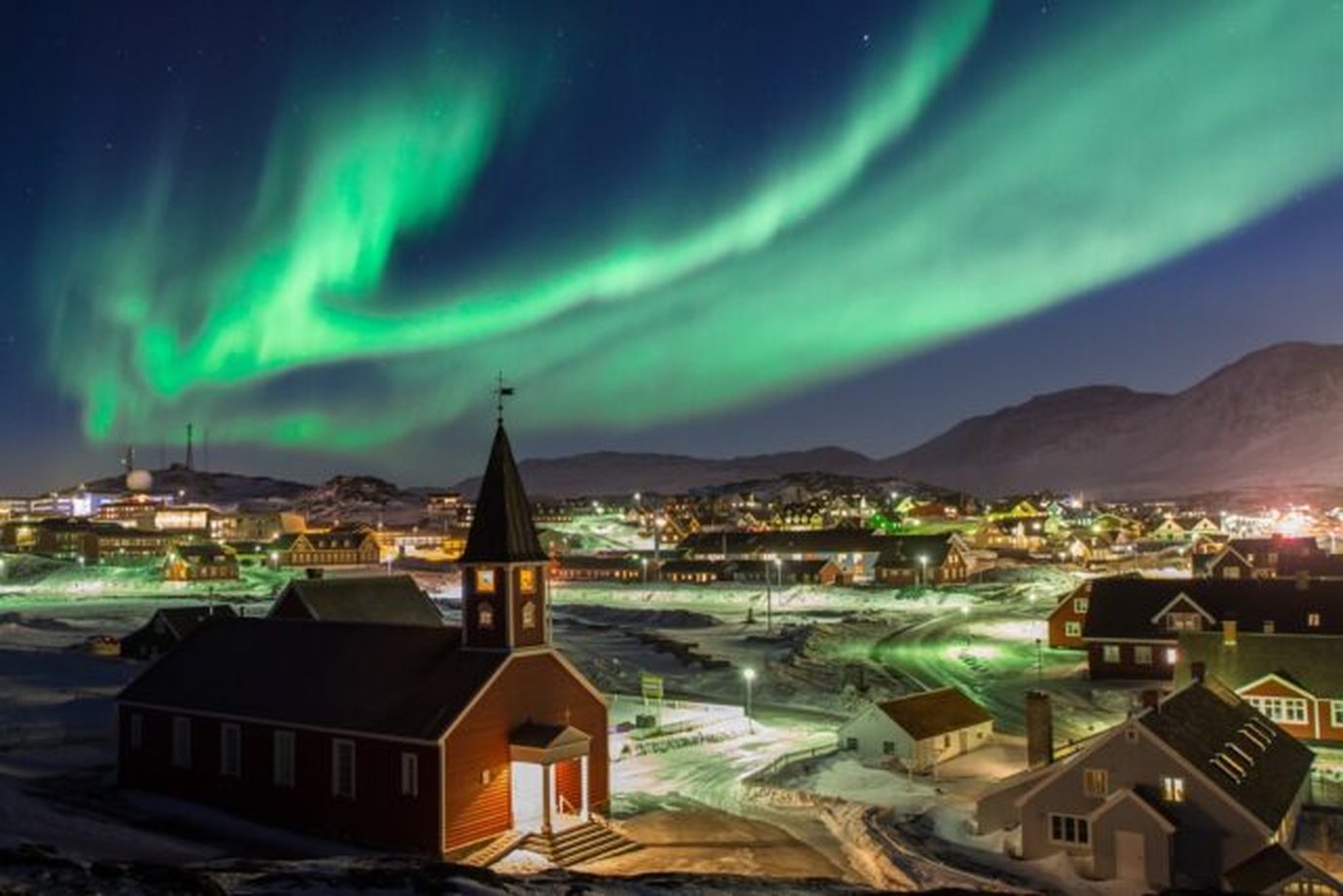
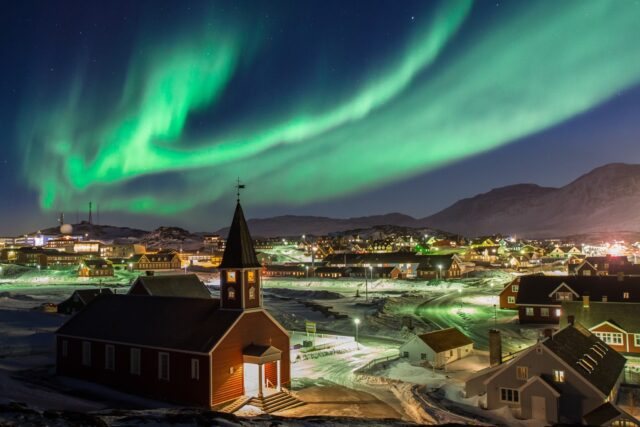
Nuuk is one of the smallest capitals in the world. With fewer than 20,000 inhabitants, it combines modern buildings, traditional wooden houses and a daily life where supermarkets coexist with seal hunting. It is not an “ice city”, but an urban island adapted to the Arctic.
Complete lack of roads connecting settlements
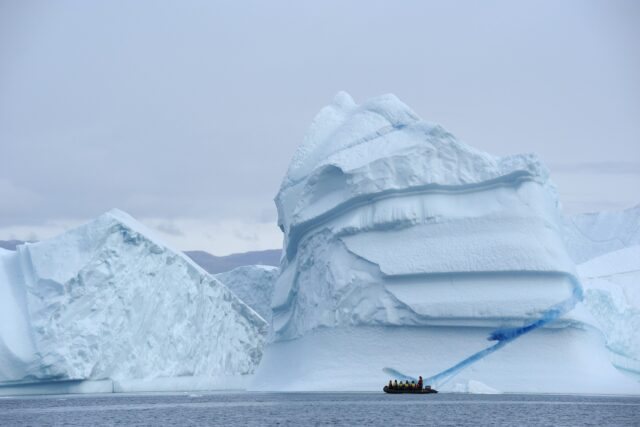
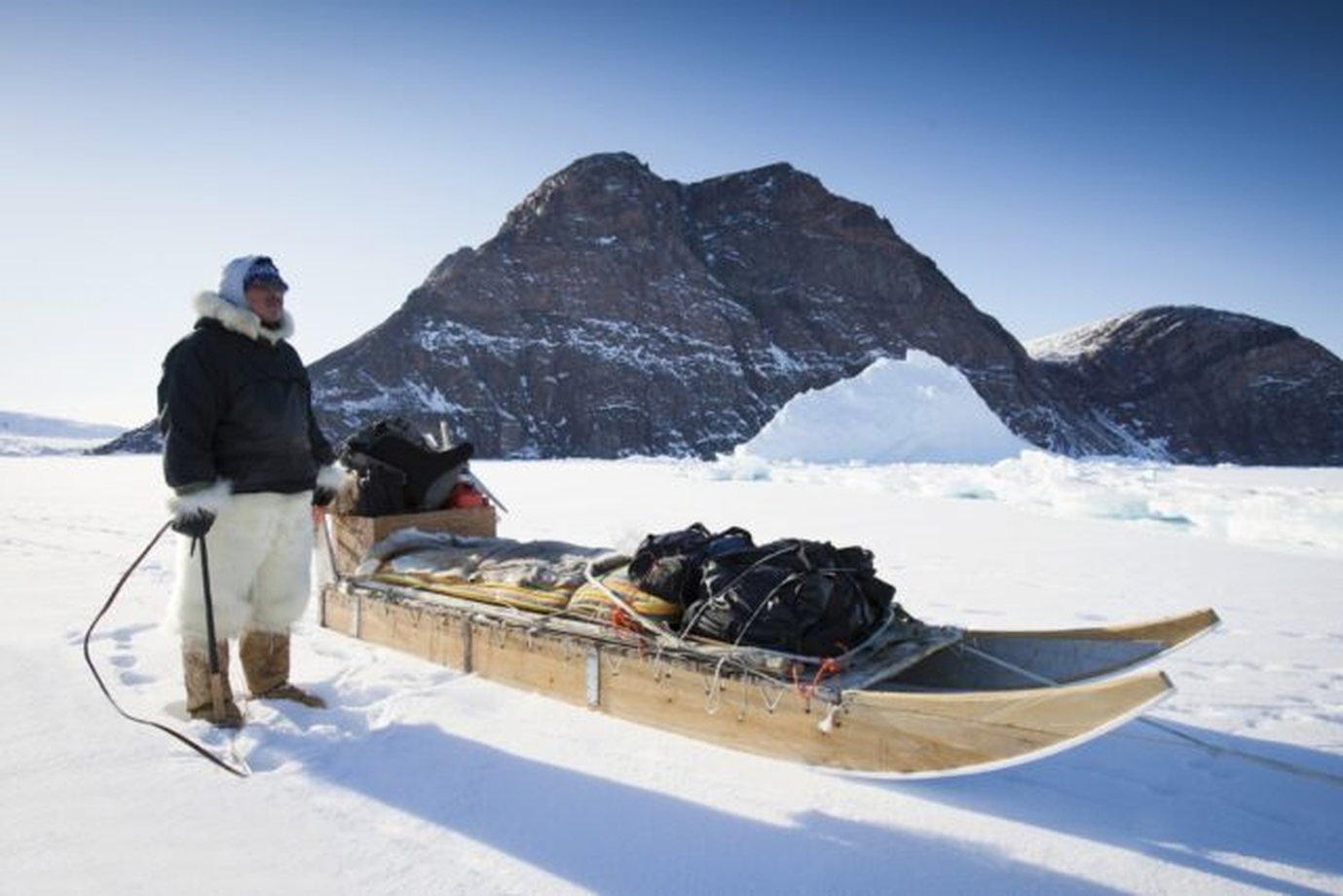
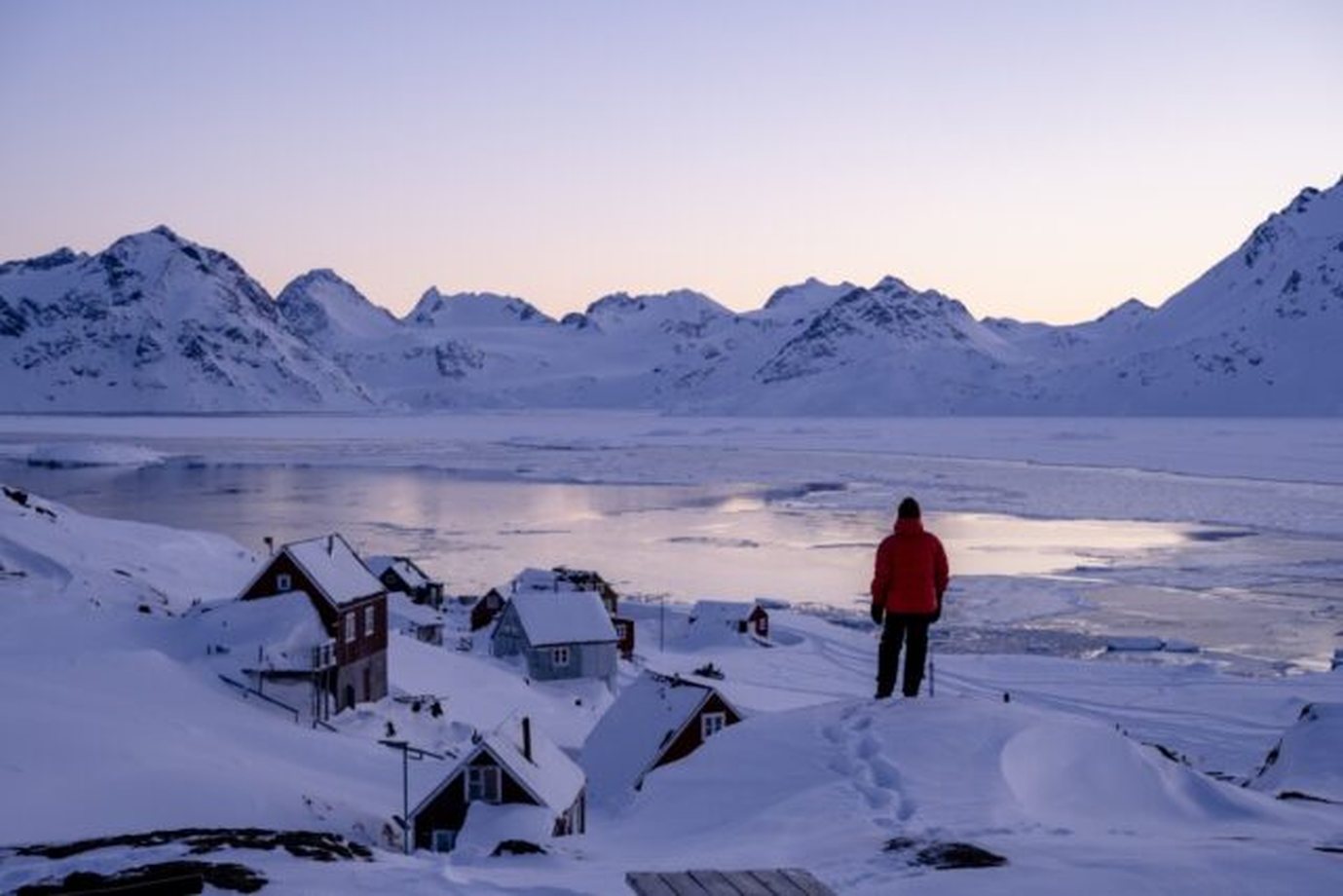
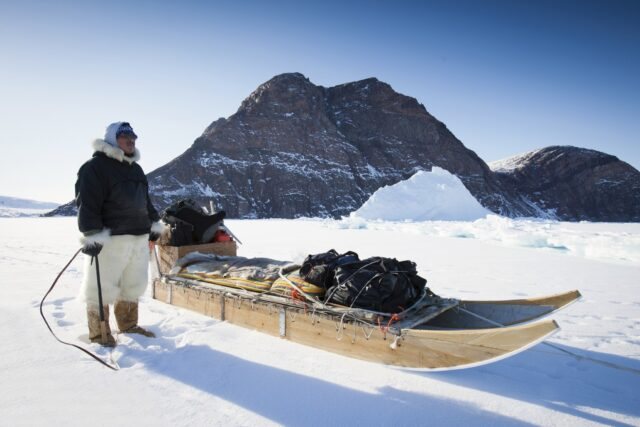
Every village, even the smallest, is a small universe, isolated by mountains, fjords and ice. Travel is by ship, plane or, in winter, by dog sled. This is not just a matter of infrastructure, but a way of life. The concept of the “next town” makes no sense when the next village is 300 kilometers away across the frozen ocean.
Inuit society
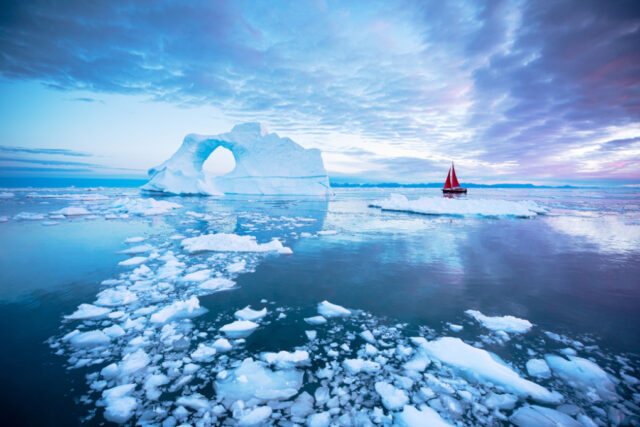
The majority of the inhabitants are indigenous, called Inuit, who preserve their language, which is the main core of identity. Although Danish is used in administration and education, the local Inuit language is not just a cultural remnant, but a living medium. Its words have dozens of nuances about ice, snow and sea, because there the real details of everyday life are hidden.
Autonomy status
Greenland is autonomous, but not independent. Since 2009, it has enjoyed broad self-government, with its own government and parliament, while Denmark retains control of foreign policy and defense. Interestingly, most residents see independence as a long-term goal, not an immediate necessity. The question is not political, but economic: can such a rare island stand on its own? Subsidies from Denmark are an important part of the economy.
Polar time
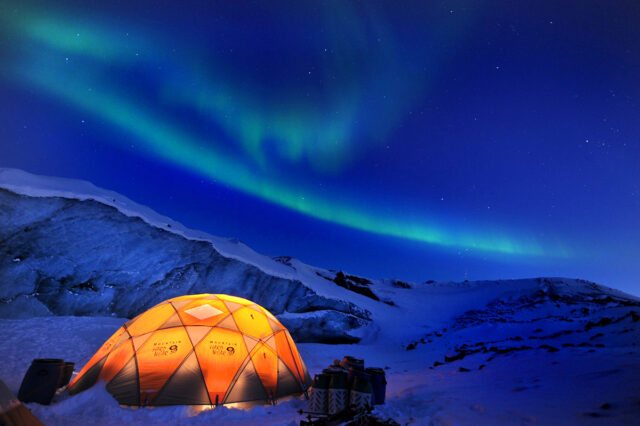
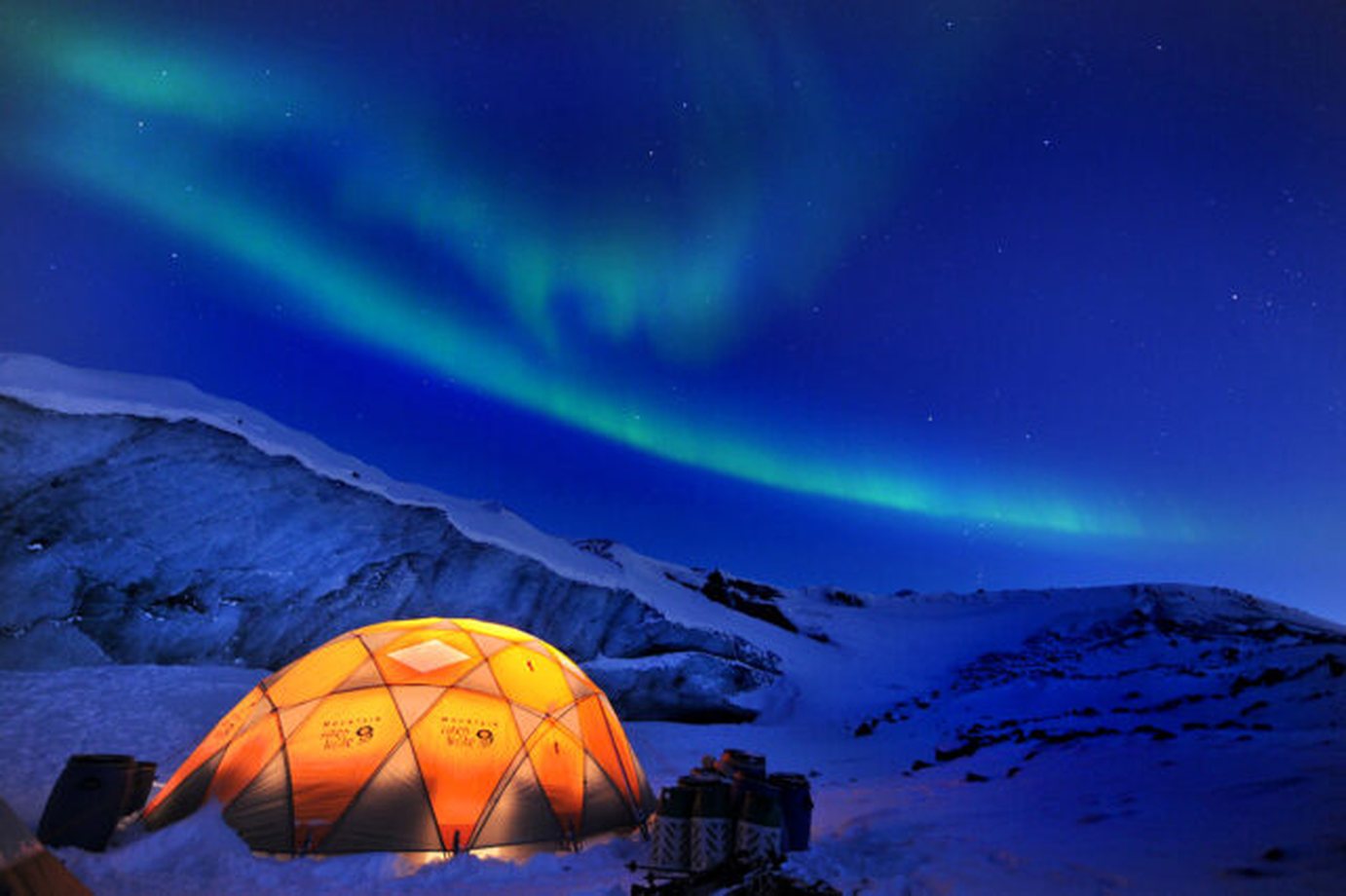
In Greenland, it works differently. In the north, the sun doesn't set for weeks in the summer and doesn't rise for a similar period in the winter. This affects the psyche, sleep, social life. It's no coincidence that the country faces serious problems with alcoholism and mental health, issues that often remain on the periphery of tourist narratives.
Rich underground
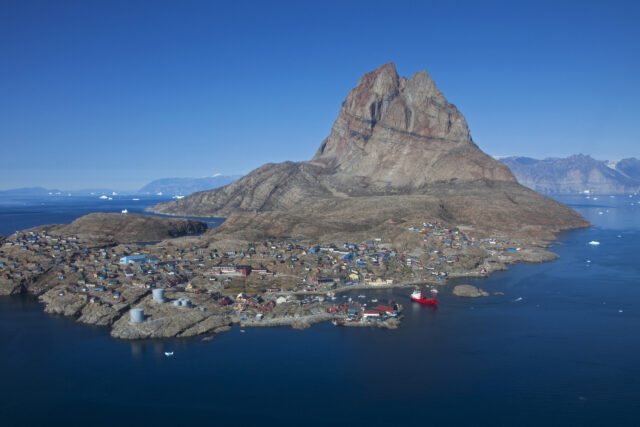
There are riches hidden beneath the ice. Rare earths, uranium, oil, natural gas. Climate change, which is a threat to the rest of the world, also acts as a temptation for Greenland. The melting ice makes natural resources more accessible, but at the same time it threatens the Inuit way of life itself and whets the appetites of its neighbors, it seems. Development seems like a double-edged sword.
Geographic distribution
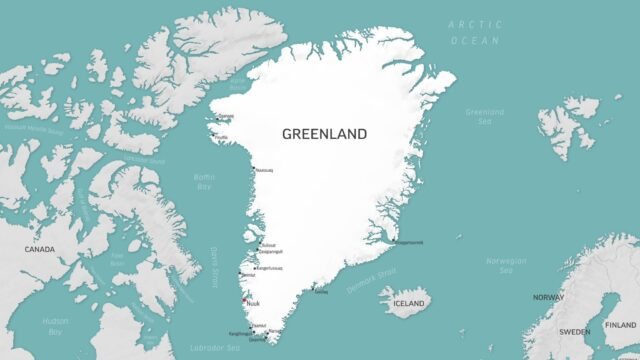
Greenland is geographically located in North America, on the same tectonic plate as Canada, but culturally and politically linked to Europe. It is one of the few countries in the world where geography and identity pull in different directions. In handball, the only team sport for which Greenland has a recognized national federation, the team participates in American competitions. In other sports, it is more oriented towards Europe.
Leaving the EU
Few people know or remember, but Greenland left the European Union in 1985, long before Brexit became a household word. The reason was simple and deeply local: fishing. For a country where the sea is a source of life, no supranational policy regulating fishing production could prevail.
Greenland, after all, is not a frozen wasteland at the end of the world. It is a living place, full of contradictions, where the Viking past, Inuit tradition and the challenges of the 21st century coexist. Which they are called to face even if they do not want to.