Is this police force professional and capable of handling violen...
/ 2026-10-16 18:54:07Focus


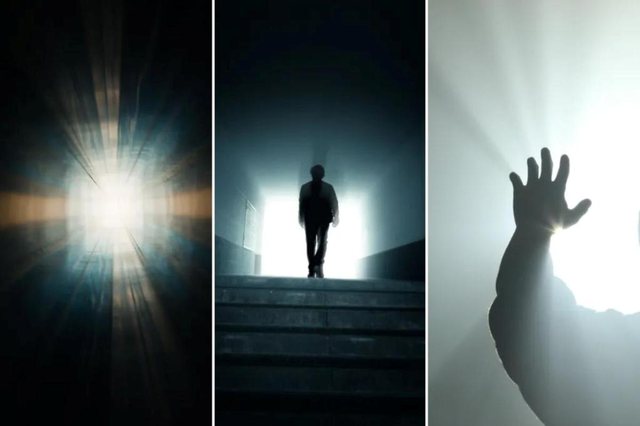
People in the final stages of life experience increasingly vivid dreams and visions as their end approaches. Often these experiences are connected to deceased loved ones and are accompanied by symbols of transition, creating a sense of peace and acceptance.
This is the conclusion of a study led by Elisa Rabitti, psychologist and psychotherapist at AUSL Reggio Emilia in Italy, published in the scientific journal "Death Studies".
According to research, many patients near the end of life report dreams with strong emotional content, where they see deceased family members or pets who seem to be waiting for them on the other side.
Another recurring theme was symbols of transition, such as stairs and open, light-filled doors, an attempt by the brain to make sense of an impending transformation.
The study was conducted with the help of 239 palliative care professionals, including doctors, nurses and psychologists, who recounted the experiences of patients they had cared for.
In most cases, patients experienced feelings of calm and comfort after these dreams. Only about 10% of them reported anxious or disturbing dreams.
Previous studies by Christopher Kerr, director of Hospice Buffalo in New York, have shown that people near death often relive in dreams parts of their lives that have remained unfinished, such as family losses or past trauma.
According to experts, these dreams are also related to the fact that terminally ill patients spend longer periods of sleep, where the boundary between dream and reality becomes more blurred.
For researchers, these visions represent a way for the brain to prepare a person for the separation from life, making the process less frightening and more filled with feelings of love, peace, and acceptance.